Cite
MLA
“Carnatic Sangeet.” Hindu History, 2026, https://www.hinduhistory.in/kala/carnatic-sangeet/. Accessed .
APA
Hindu History. (2026). Carnatic Sangeet. Retrieved , from https://www.hinduhistory.in/kala/carnatic-sangeet/
What defines it
- 01
Kriti: pallavi, anupallavi, charanam
- 02
72 melakarta scheme
- 03
Gamaka, the ornamented, oscillating note
- 04
Improvised alapana, neraval, kalpanaswara
- 05
Ragam-tanam-pallavi
01Annamacharya and Purandara Dasa
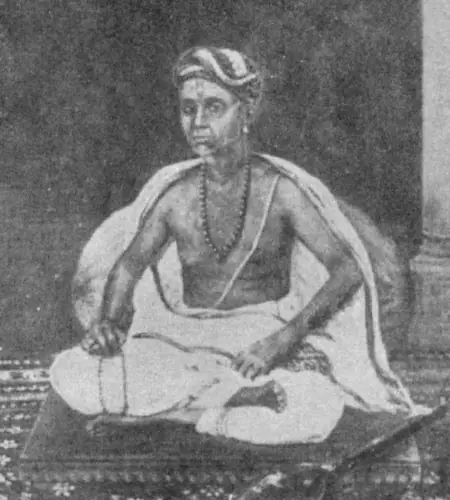
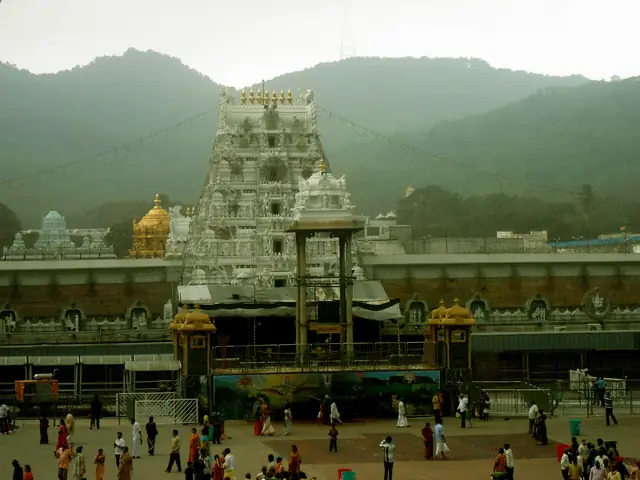
At Tirumala, Tallapaka Annamacharya (1408–1503) sang to Venkateshwara; tradition counts 32,000 sankirtanas, and more than 12,000 survive, engraved on copper plates kept at the temple. In Vijayanagara, Purandara Dasa (1484–1564), a pawnbroker who became a Haridasa, wrote Kannada songs and framed the graded lessons every student still starts with: sarali varisai and alankaras in raga Mayamalavagowla. For this he is called Sangita Pitamaha, the grandfather of Carnatic music.
02Kriti, alapana, kalpanaswara
The kriti is the heart of a concert: pallavi, anupallavi and charanam, set in raga and tala. Around it the singer improvises alapana, neraval and kalpanaswaras. The ragam-tanam-pallavi is the test of a mature musician. Violin, mridangam, ghatam and kanjira accompany the voice, and the veena and flute carry the same repertoire. Talas follow the suladi system, with adi tala of eight beats the most common.
03The December season
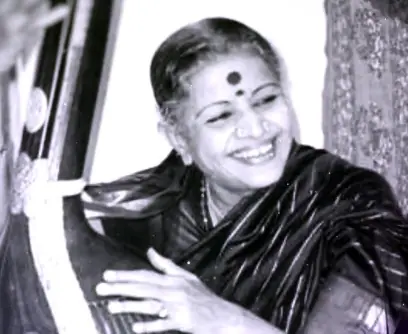
After the Trinity, the court of Swati Tirunal at Thiruvananthapuram and the musicians of Thanjavur kept the art strong. The Madras Music Academy, founded in 1928, began the December season that now fills more than a hundred halls in Chennai. M. S. Subbulakshmi, who sang at the United Nations in 1966 and received the Bharat Ratna in 1998, Semmangudi Srinivasa Iyer, G. N. Balasubramaniam, M. Balamuralikrishna and Lalgudi Jayaraman are among its great 20th-century names.