Cite
MLA
“Dhrupad.” Hindu History, 2026, https://www.hinduhistory.in/kala/dhrupad/. Accessed .
APA
Hindu History. (2026). Dhrupad. Retrieved , from https://www.hinduhistory.in/kala/dhrupad/
What defines it
- 01
Wordless alap, jod, jhala
- 02
Four parts: sthayi, antara, sanchari, abhog
- 03
Pakhawaj in chautaal and dhamar
- 04
Rudra veena
- 05
Four banis: Gauhar, Dagar, Khandar, Nauhar
01The fixed verse
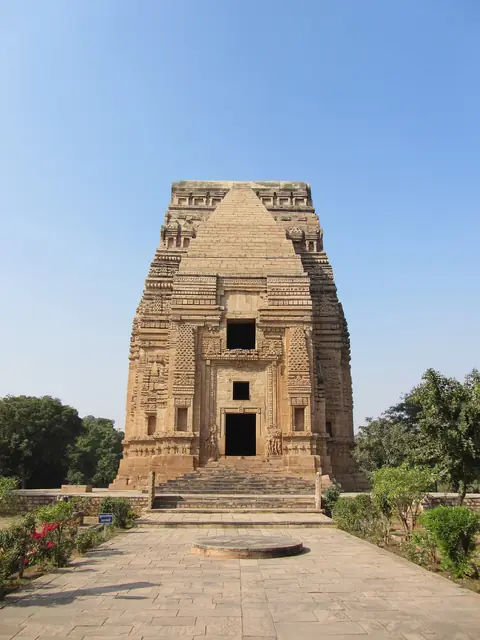
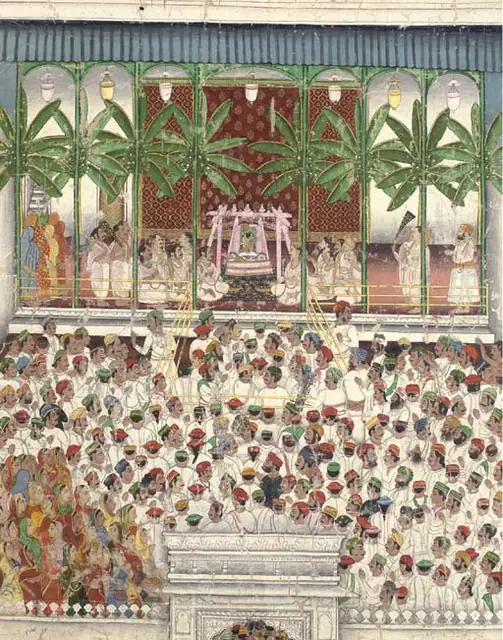
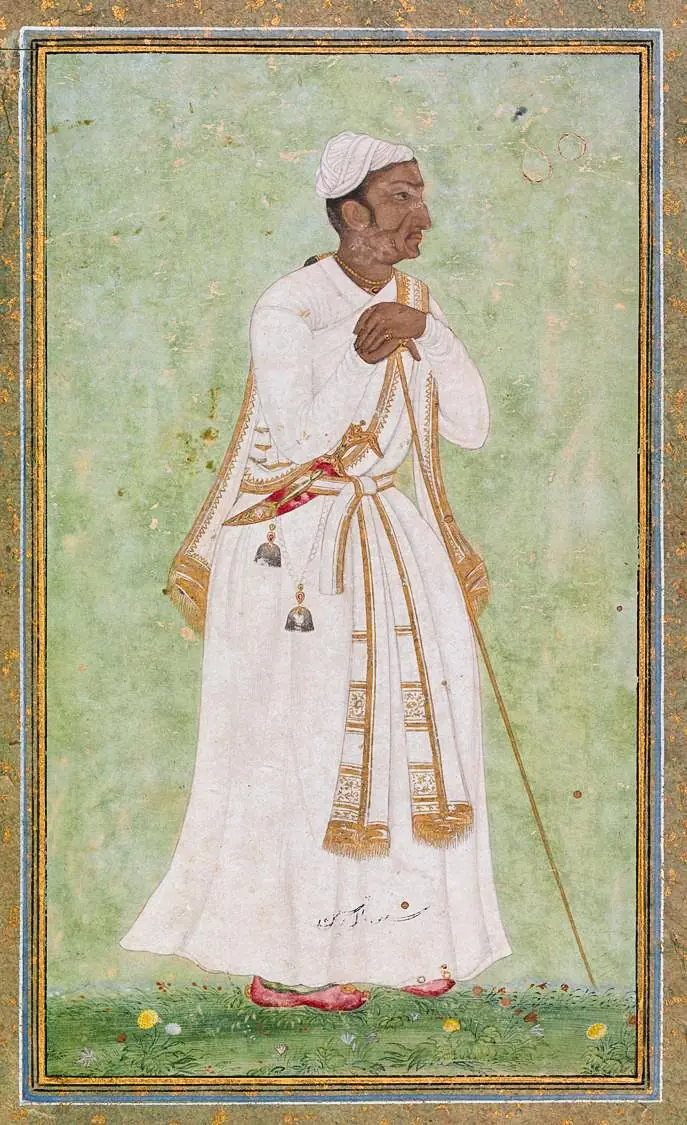
Dhruvapada means the fixed or steady verse, and the Natya Shastra already speaks of dhruva songs sung in the drama. As a concert form dhrupad took shape at the court of Raja Man Singh Tomar of Gwalior (r. 1486–1516), who had compositions made in Brajbhasha. Swami Haridas of Vrindavan and his disciple Tansen gave it its great age. In the Pushtimarg temples, dhrupad-style padas of the Ashtachhap poets are still sung before Shrinathji.
02Alap and the four banis
The singer first unfolds the raga without words on syllables like nom, tom and ri, in alap, jod and jhala, slowly, sometimes for most of an hour. Then comes the composition in sthayi, antara, sanchari and abhog, with the pakhawaj in chautaal of 12 beats or dhamar of 14. Tradition names four banis, styles: Gauhar, Dagar, Khandar and Nauhar. The rudra veena, the been, is dhrupad’s own instrument.
03Families that kept it
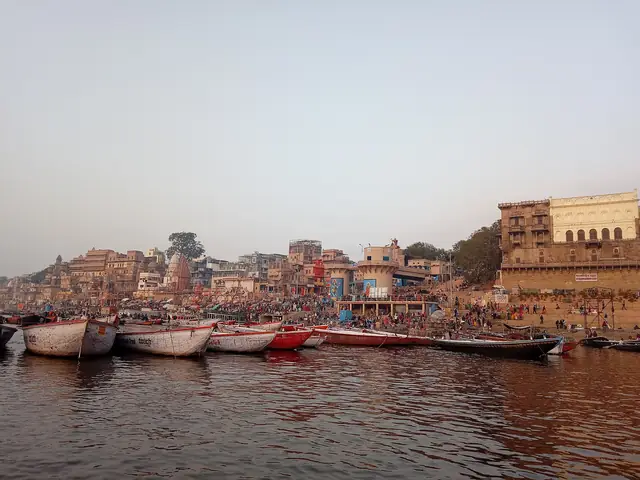
When khayal took the courts, dhrupad survived in a few families. The Dagar family, by its own count, carried it through twenty generations: Nasir Moinuddin and Nasir Aminuddin Dagar, the brothers Zahiruddin and Fayazuddin, and the been player Zia Mohiuddin Dagar. The Mallik family of Darbhanga in Bihar kept another line. In 1981 the Dhrupad Kendra at Bhopal was founded, where the Gundecha Brothers trained. Each spring the Dhrupad Mela on Tulsi Ghat in Varanasi runs through the night.