Cite
MLA
“Kanchipuram Silk.” Hindu History, 2026, https://www.hinduhistory.in/kala/kanchipuram-silk/. Accessed .
APA
Hindu History. (2026). Kanchipuram Silk. Retrieved , from https://www.hinduhistory.in/kala/kanchipuram-silk/
What defines it
- 01
Heavy pure mulberry silk
- 02
Korvai interlocked contrast border
- 03
Temple motifs: gopuram, rudraksha, peacock, yali
- 04
Gold-gilt silver zari
01Weavers of the temple city
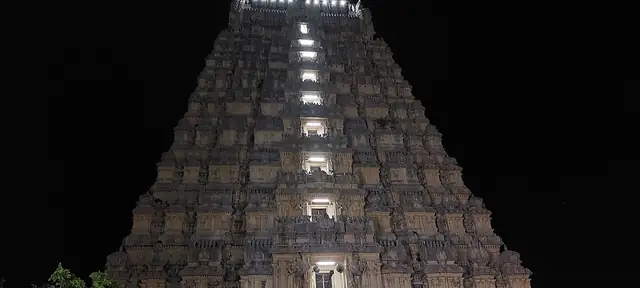
Kanchipuram, one of the seven Mokshapuris, capital of the Pallavas and a city of a hundred temples, has long been a city of weavers. The Devanga and Saliyar communities settled around its temples, weaving silk for the deities and for the households of the town. Their saris carry the shapes the weavers saw every day: the gopuram border, the rudraksha, the peacock, the parrot, the yali and the sacred mango. Many weaving families still live in the streets around the Kamakshi Amman and Ekambareswarar temples.
02The korvai join
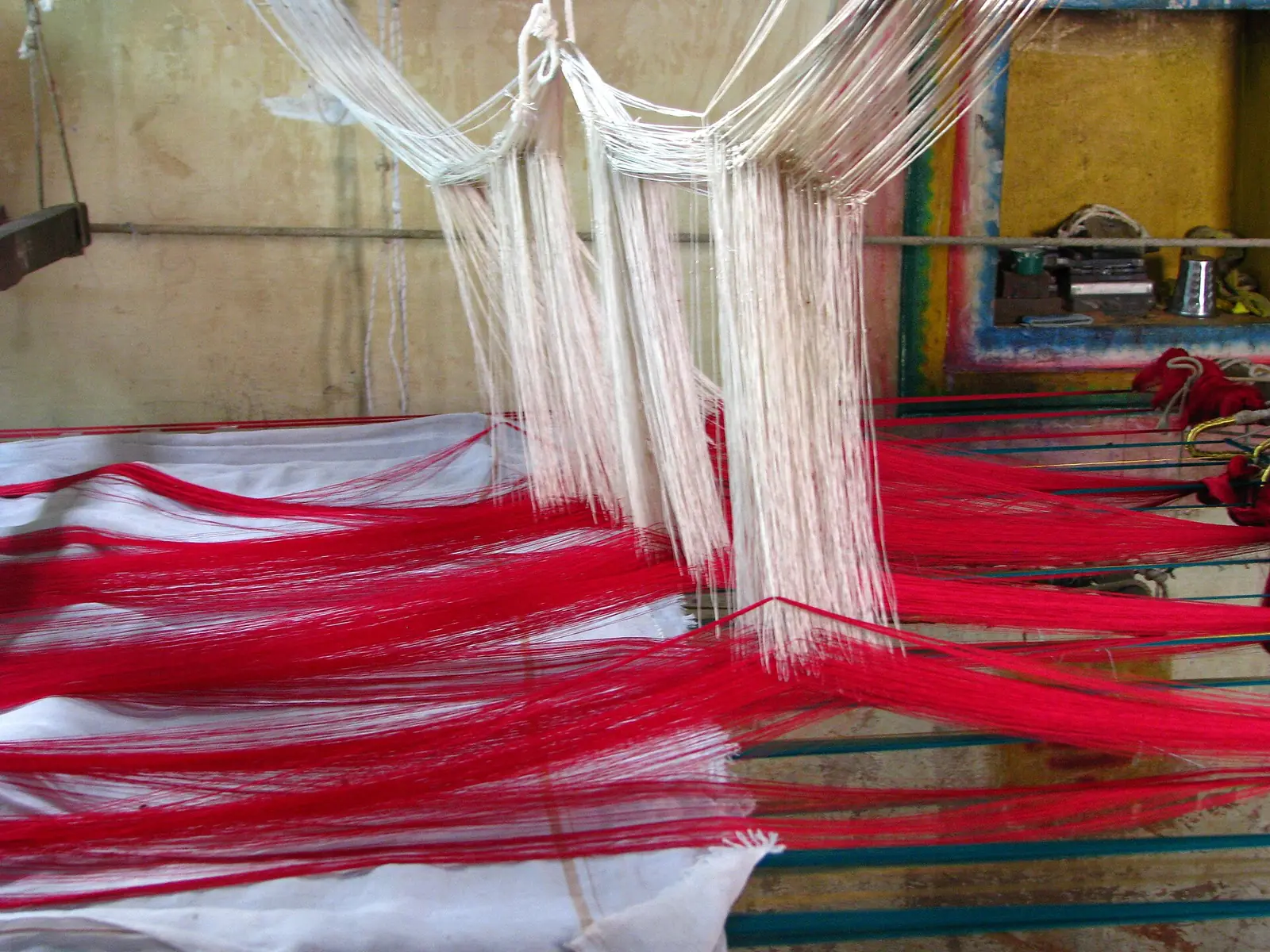
The silk is pure mulberry, three-ply and heavy. The famous technique is korvai: the border and the pallu are woven separately in contrasting colours, often by a second weaver at the same loom, and interlocked with the body thread by thread, so firmly that the border will not tear away even when the sari wears thin. The zari is silver thread gilt with gold. A traditional bridal sari can take a weaver many days, and old ones are passed from mother to daughter.
03Buying and seeing
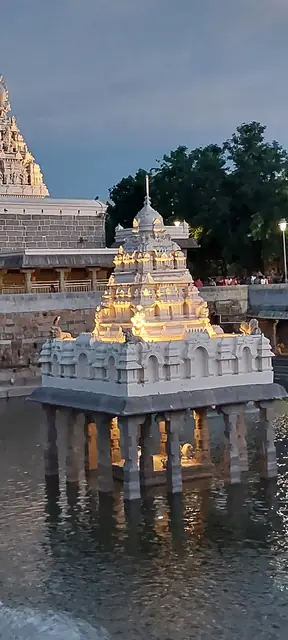
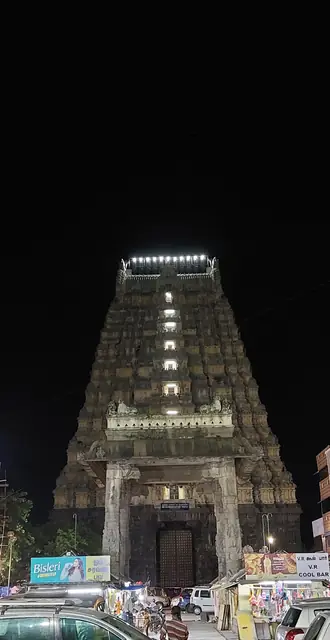
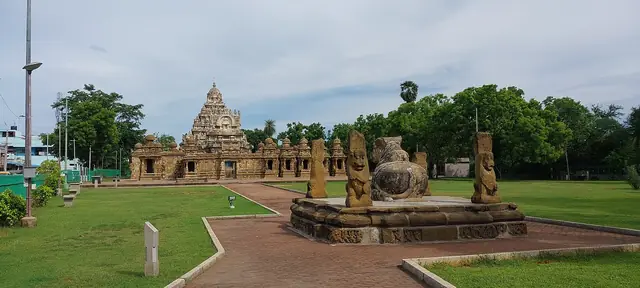
Kanchipuram silk carries a Geographical Indication, and genuine pieces come with the silk mark. The town’s weavers’ cooperative societies sell directly; visit a home loom to see a korvai border being joined. Combine it with darshan at Kamakshi Amman, Ekambareswarar, Varadharaja Perumal and the Kailasanathar temple of the Pallavas. The silk is heavy for a reason: it is meant to be worn on the wedding day and kept for the next generation. Store it folded in muslin and refold it every few months so the zari does not crack.