Cite
MLA
“Chola Bronzes.” Hindu History, 2026, https://www.hinduhistory.in/kala/chola-bronzes/. Accessed .
APA
Hindu History. (2026). Chola Bronzes. Retrieved , from https://www.hinduhistory.in/kala/chola-bronzes/
What defines it
- 01
Lost-wax (madhuchchhishta) casting
- 02
Utsava murtis for processions
- 03
Nataraja in a ring of fire
- 04
Shilpa Shastra proportions (tala system)
01Images that go out
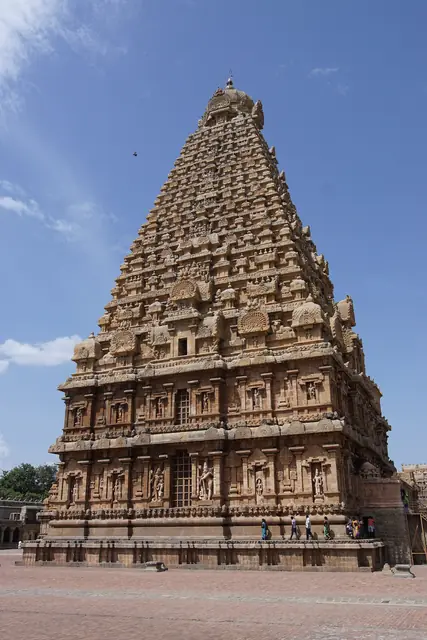
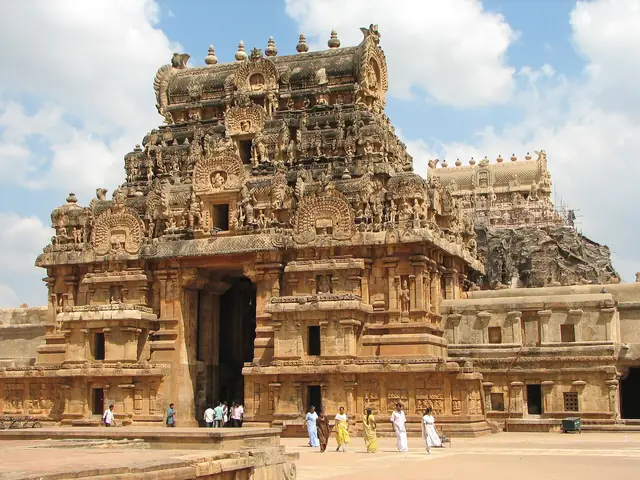
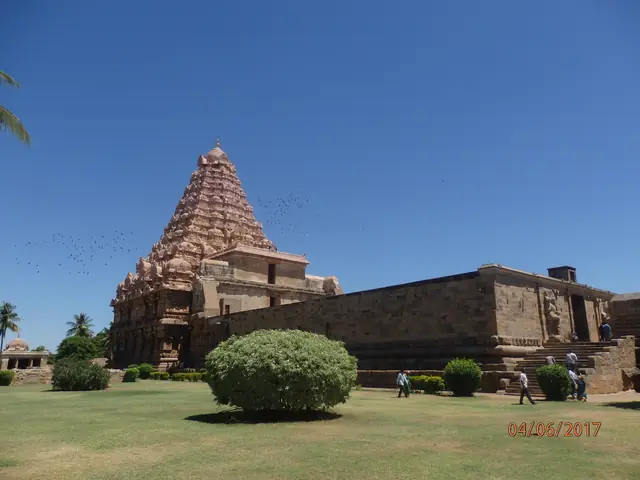
The stone image in the sanctum never moves; the utsava murti, the bronze, is carried out on festival days so all may see Bhagwan in the streets. The Chola kings and queens gave these bronzes to temples and recorded the gifts in inscriptions, often with the height and weight of each image. Sembiyan Mahadevi, the 10th-century Chola queen, gave many temples their bronzes. At Thanjavur, Rajaraja Chola’s inscriptions list the images he and his family gave to the Brihadeeswara temple.
02Madhuchchhishta: the lost wax
The sthapati first models the image in a mix of beeswax and resin, following the proportions of the Shilpa Shastras. He covers it with layers of fine clay from the Kaveri bed, leaving a channel. When the mould is heated, the wax runs out; molten metal, an alloy of copper with tin and other metals, is poured in. The mould is broken, so each image is unique. The surface is then chased and finished by hand. The Manasollasa of the Chalukya king Someshvara III describes this method.
03Nataraja and where to see
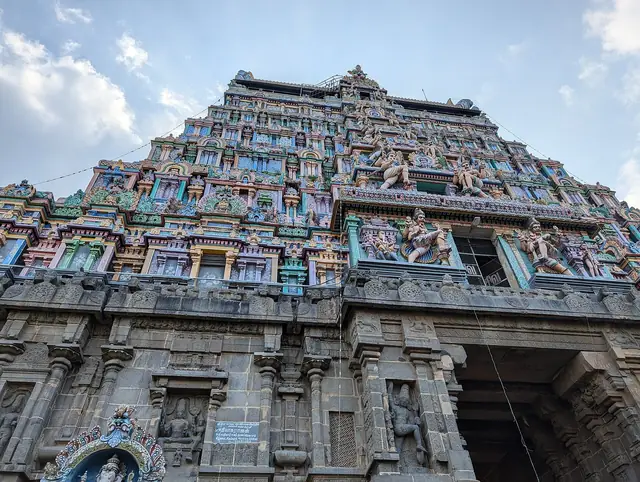
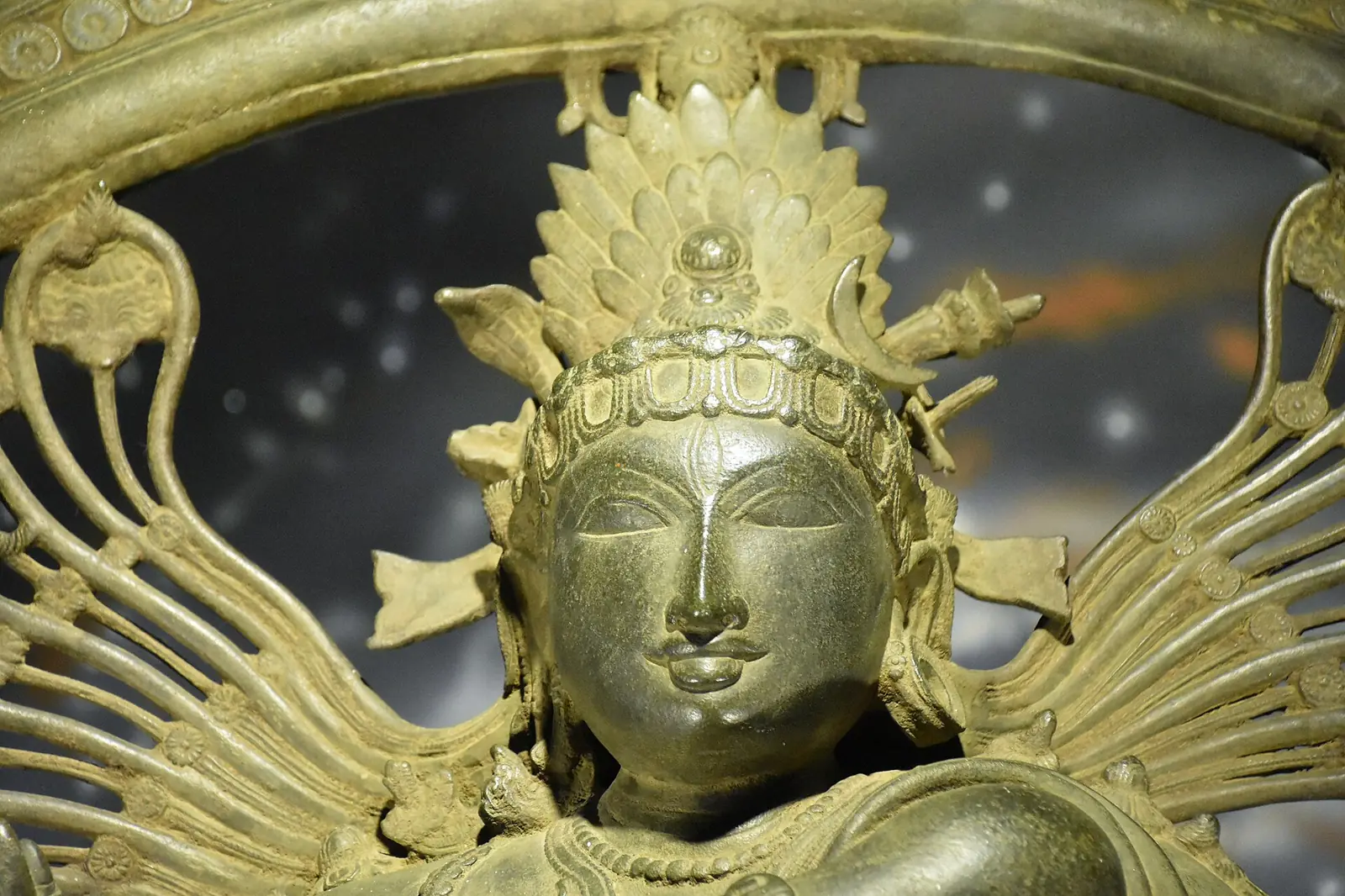
In the Nataraja, Shiva dances the Ananda Tandava within a ring of flame, the drum of creation in one hand, the fire of dissolution in another, one hand raised in abhaya, one pointing to the lifted foot, the other foot on the dwarf Apasmara. The Chidambaram temple is his home. The Government Museum in Chennai holds the finest collection, including the Tiruvalangadu Nataraja; the Thanjavur Art Gallery has another. At Swamimalai, near Kumbakonam, sthapati families still cast bronzes the same way.