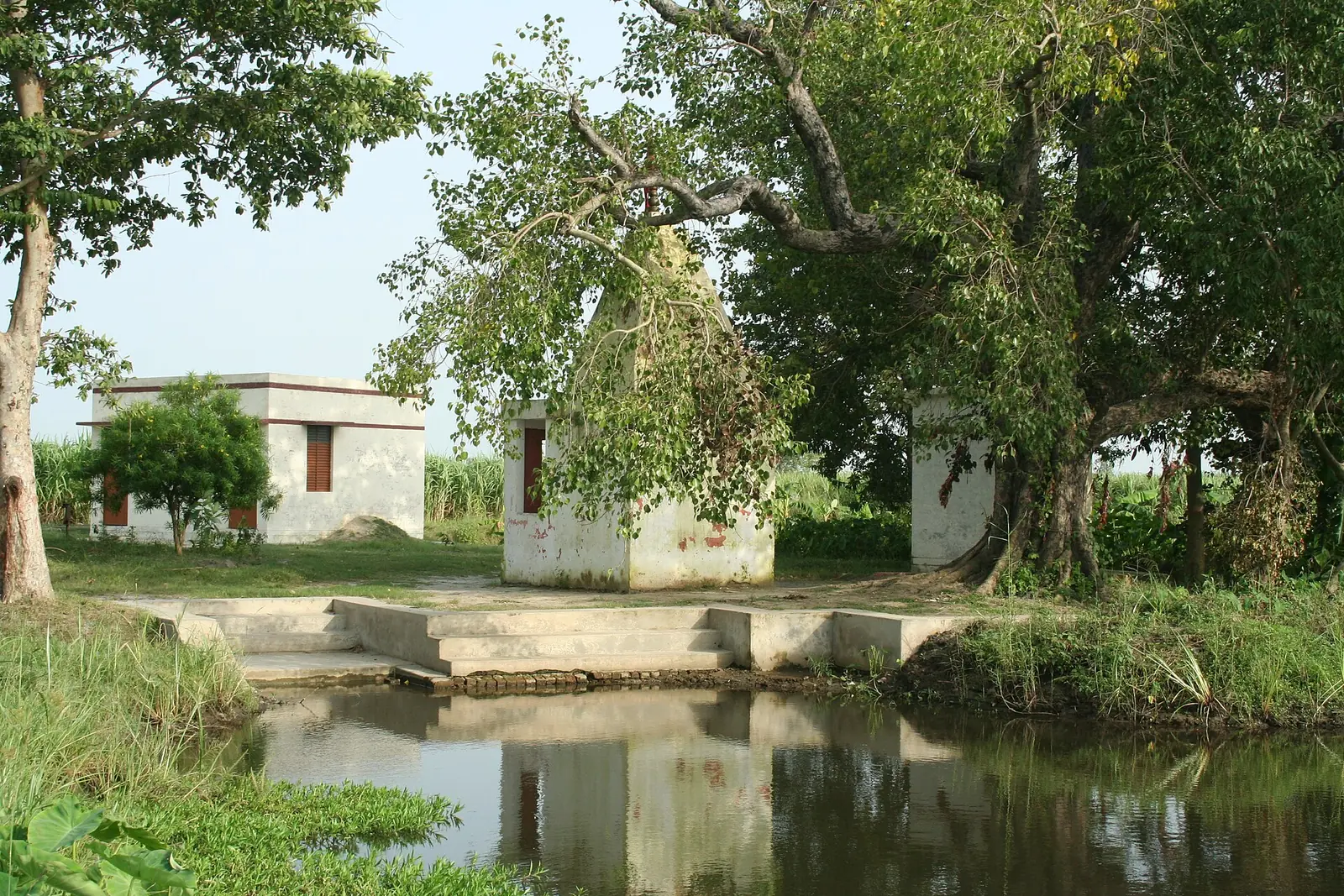
01The city of the Kurus
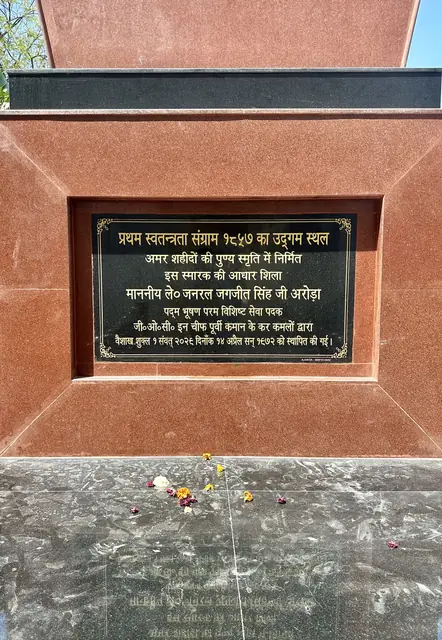
The Mahabharata names the city after King Hastin of the Chandravansha. Here Shantanu met Ganga, Devavrata took the terrible vow that made him Bhishma, and the Kaurava and Pandava princes learnt arms from Dronacharya. In the sabha of Hastinapura Yudhishthira lost the dice game, and Draupadi was dragged before the elders. After the war Yudhishthira was crowned here, and Parikshit and Janamejaya ruled after him. The Vishnu and Bhagavata Puranas say that in the time of Nichakshu, a descendant of Parikshit, the Ganga carried the city away and the king moved his capital to Kaushambi.
02What the spade found
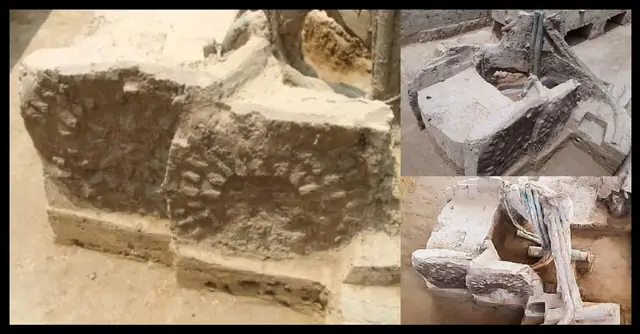
B. B. Lal dug at Hastinapura from 1950 to 1952. Below the later towns he found a settlement of Painted Grey Ware, the grey pottery painted in black that turns up at many sites named in the Mahabharata. That settlement ended with a heavy flood of the Ganga, after which the site was left empty for a time before people came back with Northern Black Polished Ware. Lal set this beside the Purana’s account of Nichakshu’s move. The town today is also a great Jain tirtha: the birthplace of three Tirthankaras, Shantinath, Kunthunath and Aranath, and the place where Rishabhadeva broke his year-long fast on Akshaya Tritiya.
The life of this place
- 1950–52B. B. Lal excavates Hastinapura and finds the Painted Grey Ware town ended by a Ganga flood.
- 2006The ASI resumes work at the Ulta Khera mound.
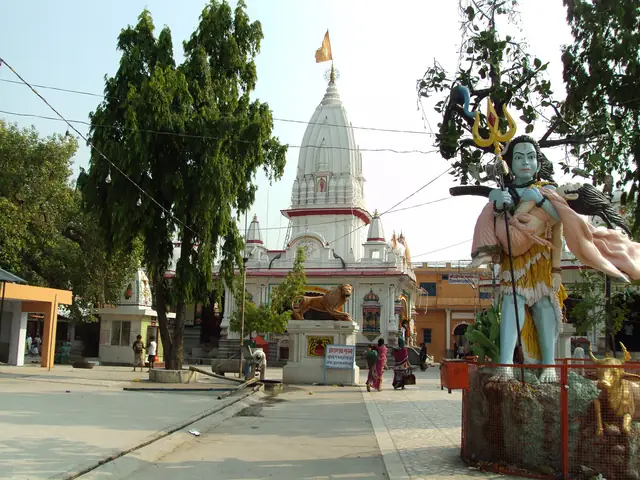
About 40 km north-east of Meerut. See the Ulta Khera mound, Draupadi Ghat and the Pandeshwar temple, and the Jain Jambudweep complex.