01Saketa of the kings
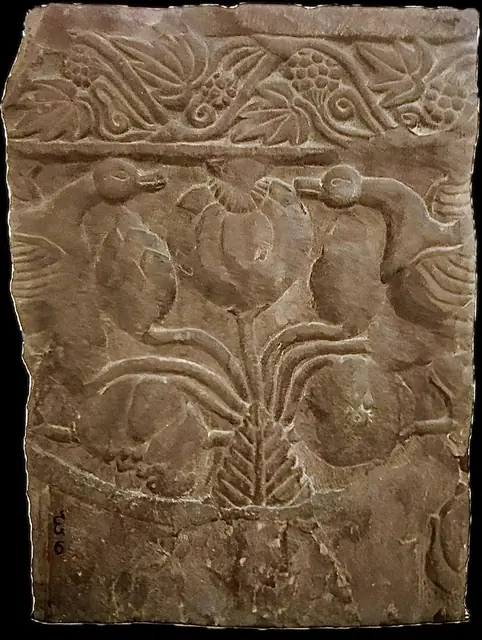
Valmiki’s Ayodhya is the city Manu built on the Sarayu, the city that cannot be fought. In historical records it is also Saketa: Panini’s commentators and the Buddhist and Jain texts use that name, and it was among the great cities of Kosala in the Buddha’s day. An inscription in the Brahmi script, found at Ayodhya, records that Dhanadeva, lord of Kosala and sixth in descent from Senapati Pushyamitra, who performed two Ashvamedhas, set up a memorial for his father. Coins of a line of local kings, the Deva rulers of Ayodhya, follow. Jain tradition holds that Rishabhanatha, the first Tirthankara, and four others, Ajitanatha, Abhinandananatha, Sumatinatha and Anantanatha, were born here.
02The living city
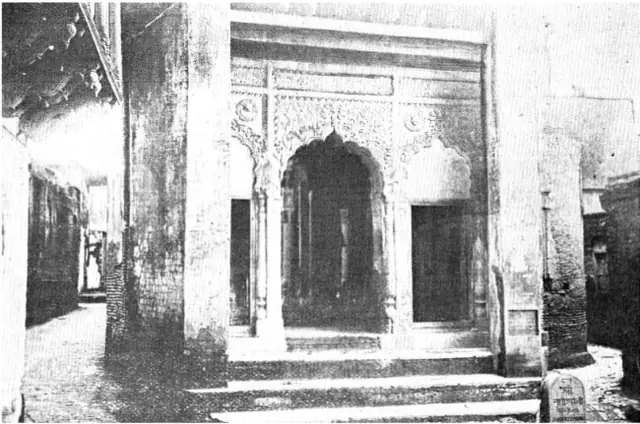
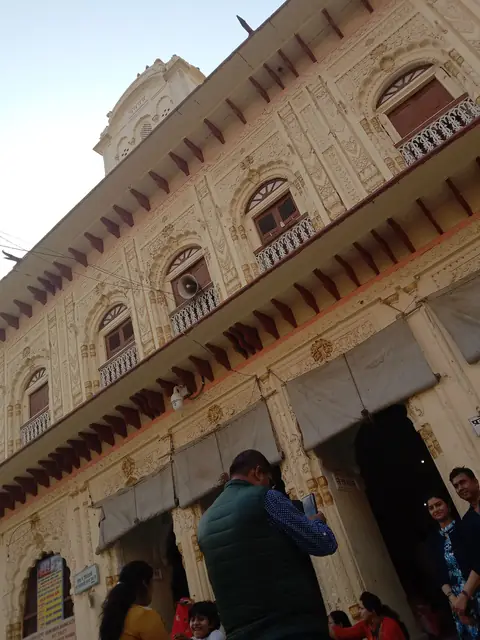
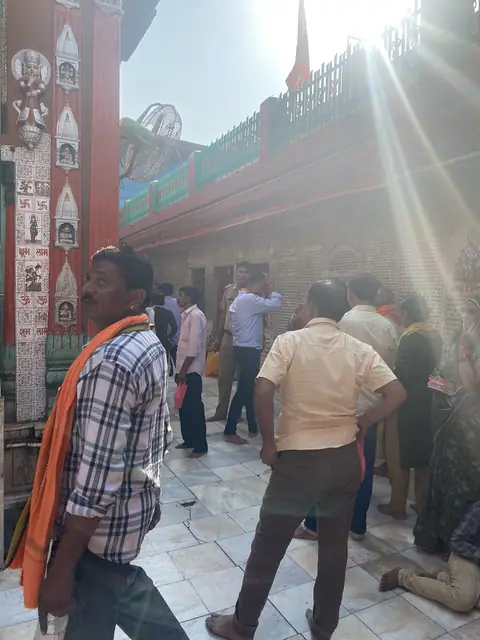
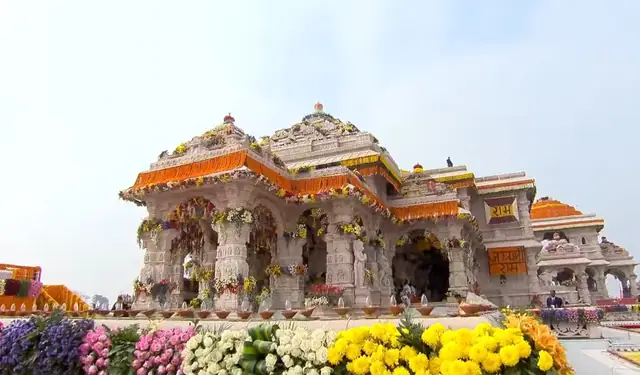
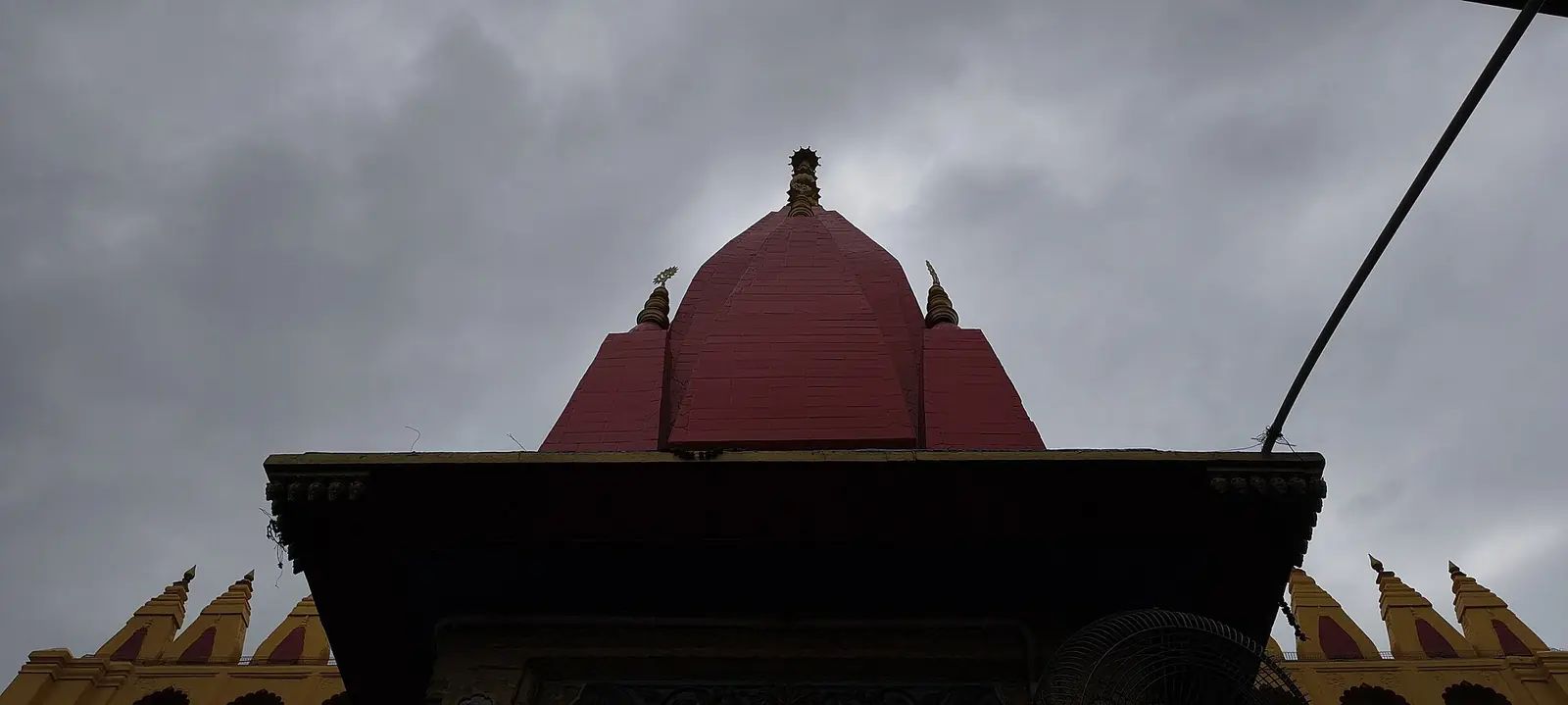
Ayodhya lives around Shri Ram. Pilgrims climb the steps of Hanumangarhi first, for Hanuman guards the city; then the Kanak Bhawan, Sita’s palace, the ghats of the Sarayu, Ram ki Paidi, and Guptar Ghat, where tradition says Shri Ram left the world. The parikramas of five, fourteen and eighty-four kos draw lakhs in Kartik and Chaitra. The story of the Janmabhoomi itself, from the mosque of 1528 to the temple consecrated on 22 January 2024, is told on its own page. Since 2017 the Deepotsav on the eve of Diwali has lit lakhs of lamps along Ram ki Paidi.
The life of this place
- c. 1st century BCEDhanadeva, lord of Kosala, sets up the inscription naming Pushyamitra’s two Ashvamedhas.
- 1528Mir Baqi builds a mosque on the Janmabhoomi.
- 9 November 2019The Supreme Court awards the Janmabhoomi site for a temple.
- 22 January 2024Ram Lalla is consecrated in the new temple.
Ayodhya Dham station and the Maharishi Valmiki airport serve the city. Go to Hanumangarhi before the Janmabhoomi, as the custom is, and stay for the Sarayu aarti at dusk.