01Sati and the eighteen seats
Daksha Prajapati held a great yajna and left out Bhagwan Shiva. Sati went uninvited, heard her husband insulted before the assembly, and gave up her body in the yogic fire. Shiva, in grief, carried her body across the worlds, and Bhagwan Vishnu cut it with the Sudarshana Chakra so that the dance of sorrow would end. Wherever a part fell, a Shakti Peetha arose. The Devi Bhagavata, the Kalika Purana and the Tantra Chudamani tell this katha, and their lists differ: the stotra ascribed to Adi Shankaracharya names eighteen, the Peetha Nirnaya fifty-one, others fifty-two or a hundred and eight.
02Renuka and Parashurama
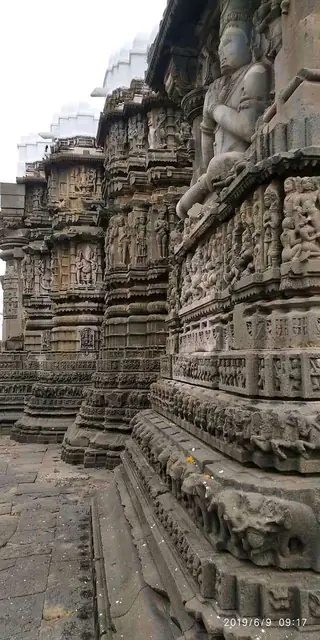
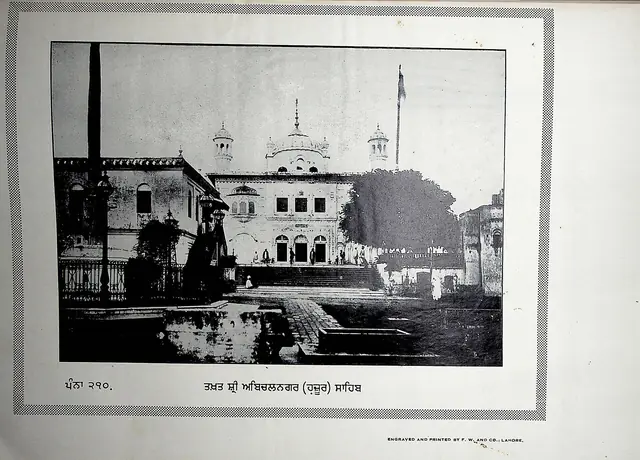
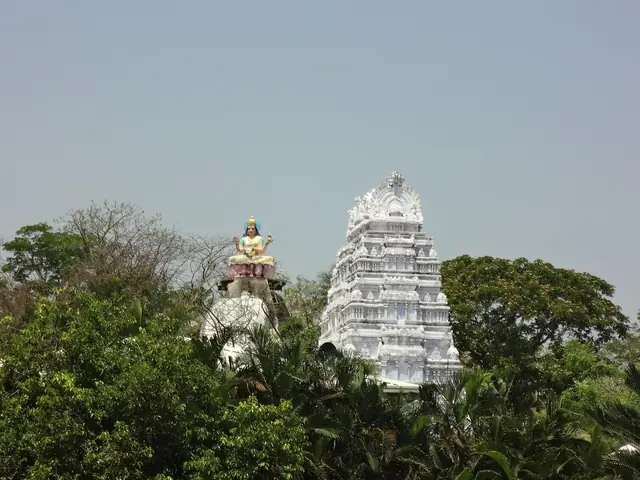
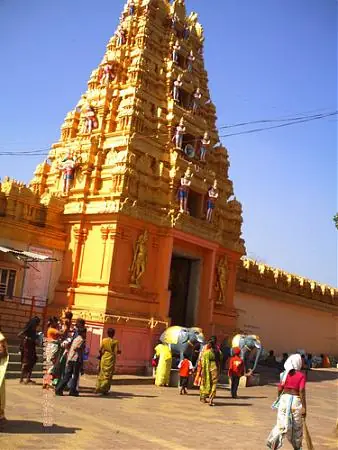
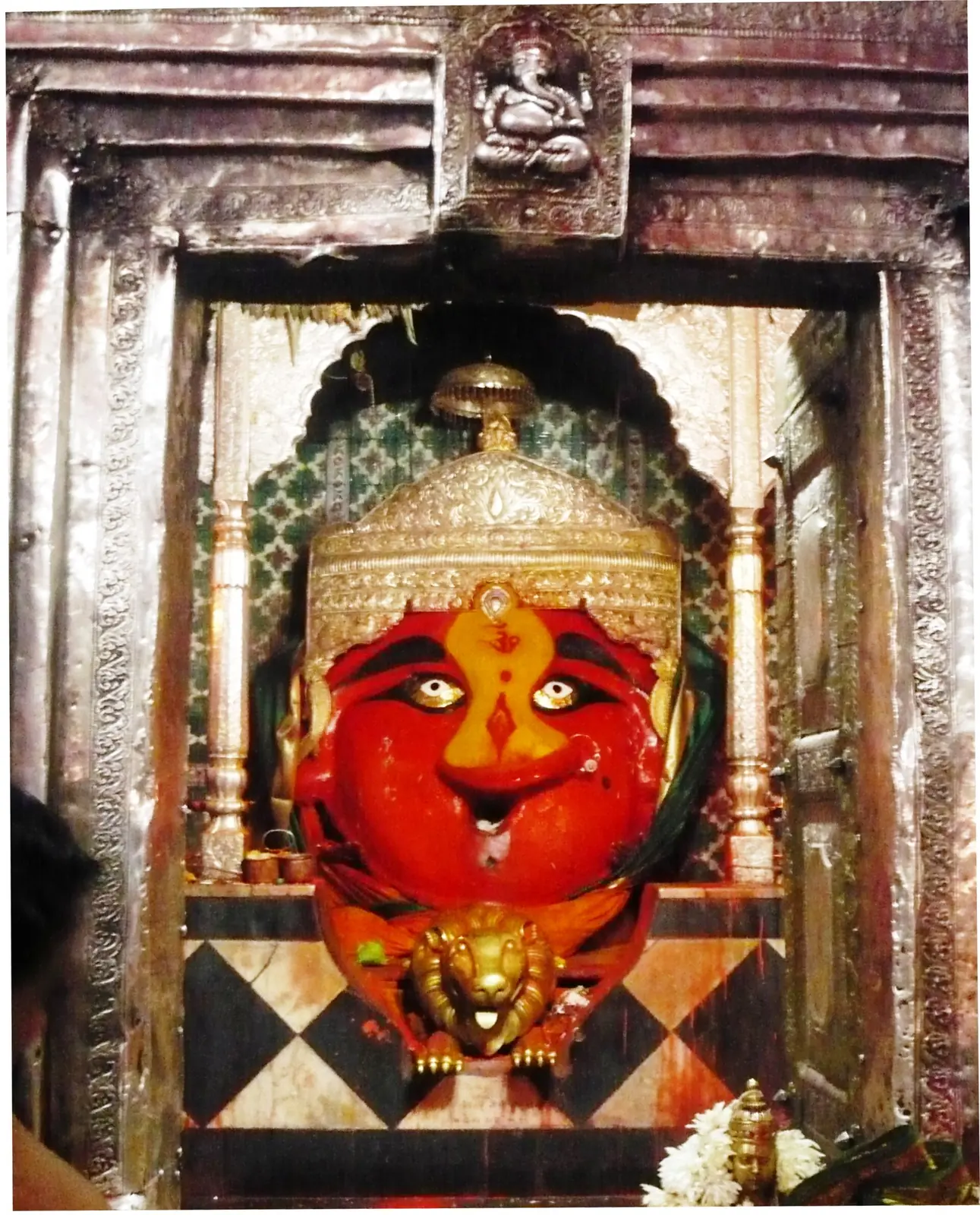
At Mahur the Devi is Renuka, wife of Maharshi Jamadagni and mother of Parashurama. The temple tradition tells that after Renuka left her body, Parashurama performed her last rites here under the guidance of Dattatreya, and the Devi remained on the hill. Only her face is worshipped, a large mask of the Mother smeared with sindoor and fed with paan and betel. Maharashtra counts three and a half seats of the Devi: Tuljapur, Kolhapur and Mahur are full peethas, and Saptashrungi at Vani is the half. Marathi households from all three districts come here for the kuladevi.
03Datta Shikhar and Anasuya
Three hills make up Mahurgad. On one is the Renuka temple, on another the shrine of Sati Anasuya, wife of Maharshi Atri, and on the third the Datta Shikhar. The Datta sampradaya holds that Bhagwan Dattatreya was born here to Atri and Anasuya, and that he still comes to Mahur each day to sleep, as he bathes at Kashi and begs at Kolhapur. The old fort of Mahur stands on the same range, its walls older than the Yadavas by some accounts.
Mahur is about 130 km from Nanded; steps and a road climb to the temple. Navaratri in Ashvin and Datta Jayanti in Margashirsha draw the largest crowds.