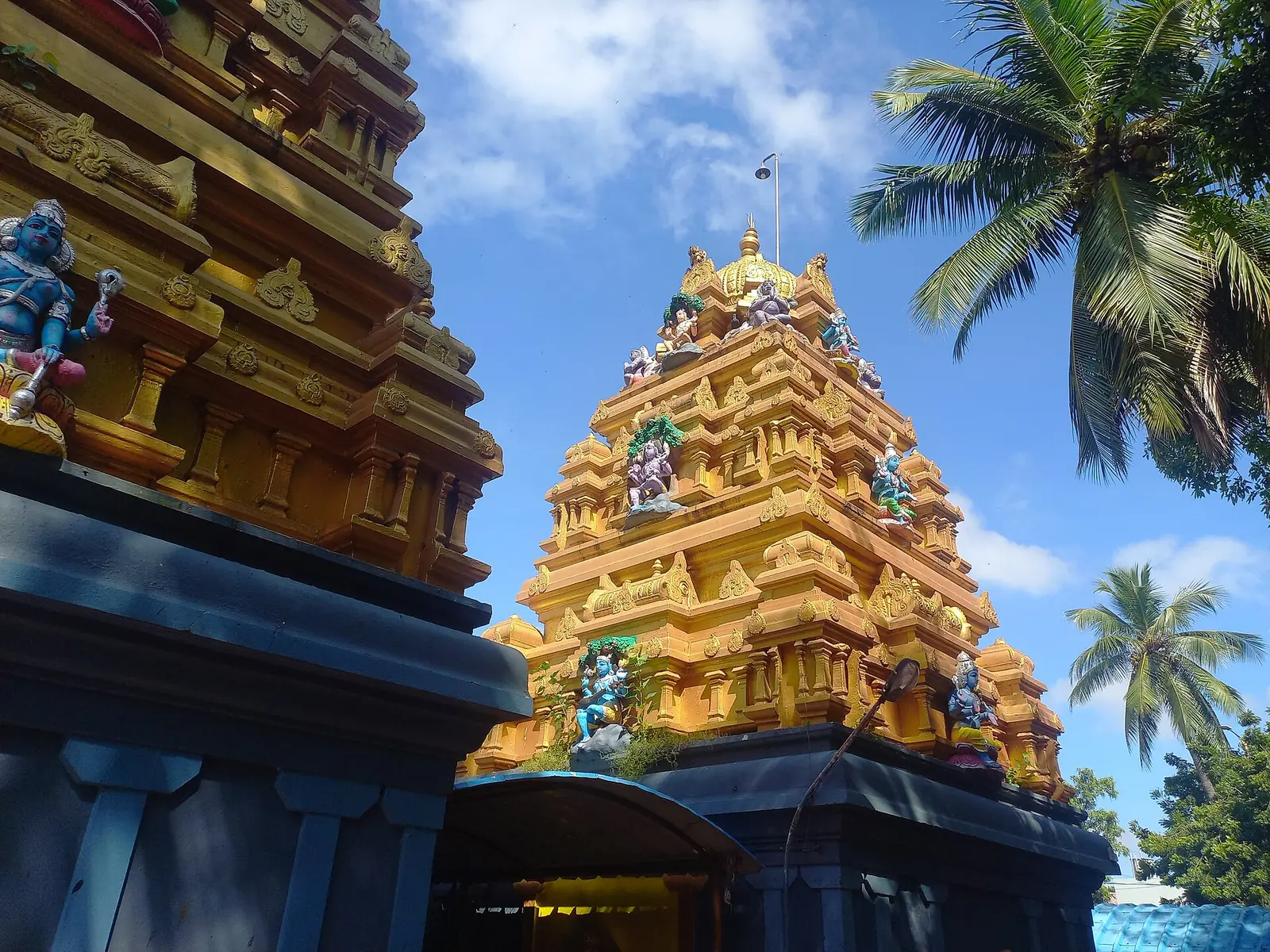
01The cheek on the river bank
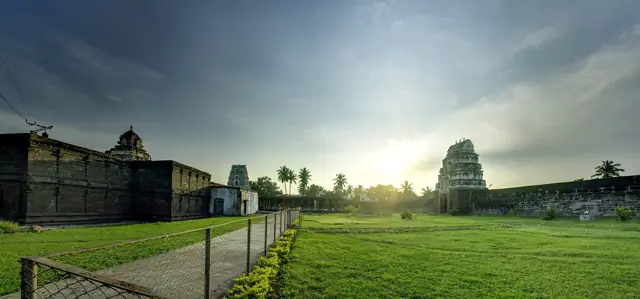
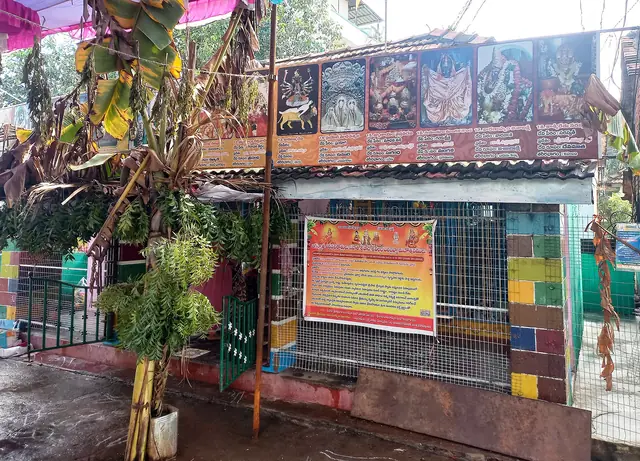
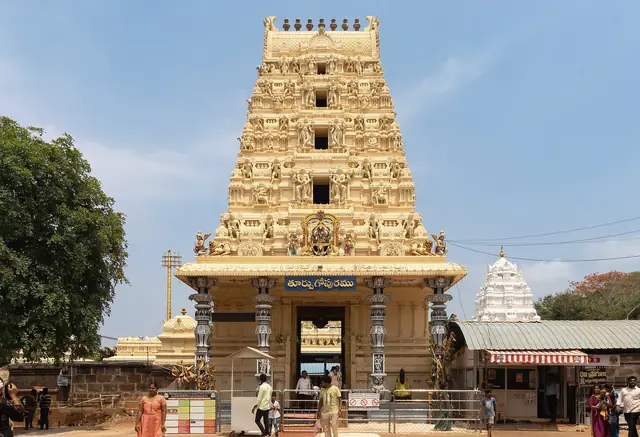
The Peetha Nirnaya Tantra names a peetha on the bank of the Godavari, Godavari Tir, where the cheek of Sati fell. The Devi is Vishveshi, also called Rakini, and the Bhairava is Dandapani, called Vatsanabha in some recensions. Which cheek, and where on the long river, the text does not say. Shakti Peetha lists differ here more than most. Some devotional writers place the peetha at Koti Tirtha in Rajahmundry, beside the Kotilingeswara temple; others call the same seat Sarvashaila and give the Devi a separate shrine nearby. Other places on the lower Godavari are named by a few. None has the agreement that Kamakhya or Kalighat have.
02Kotilingala ghat
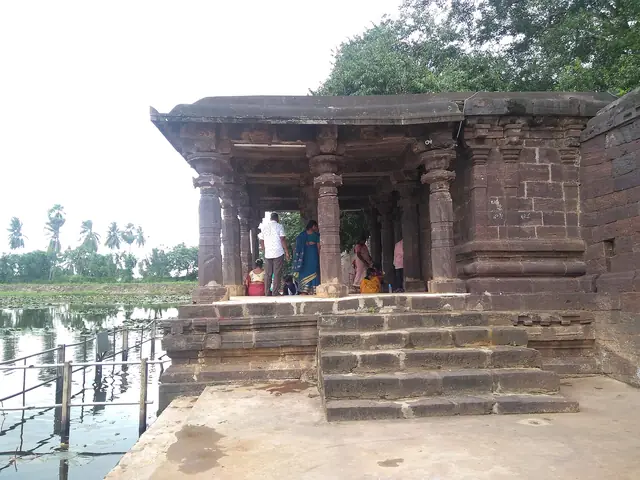
Koti means a crore. The ghat and the temple take the name from a crore of lingas that devotees say were worshipped on this bank; the temple does not hold that many, and its own account does not claim it. Uma Kotilingeswara is the presiding Shiva, and serpent stones under the courtyard trees receive their own worship. Every twelve years, when Brihaspati enters Simha, the Godavari Pushkaram brings lakhs to the Rajahmundry ghats for the holy dip, and Kotilingala is one of the busiest of them. Navratri is kept twice a year and Mahashivaratri brings the whole town to the river.
Kotilingala ghat is in the town, a short ride from Rajahmundry railway station. Visit at sunrise, when the ghat is quiet.