01Bhrigu’s shore and Barygaza
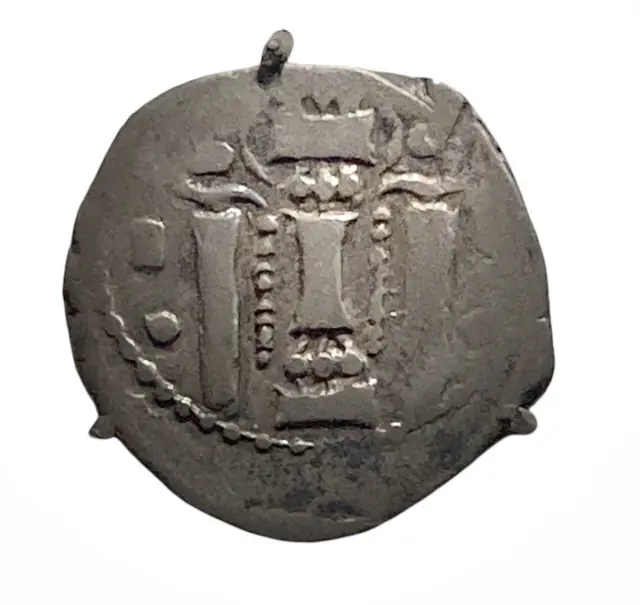
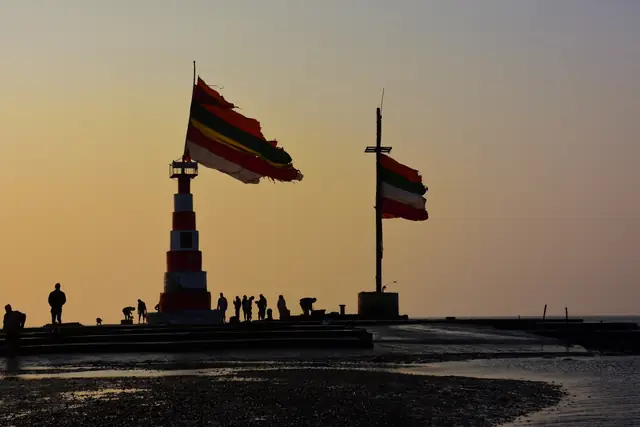
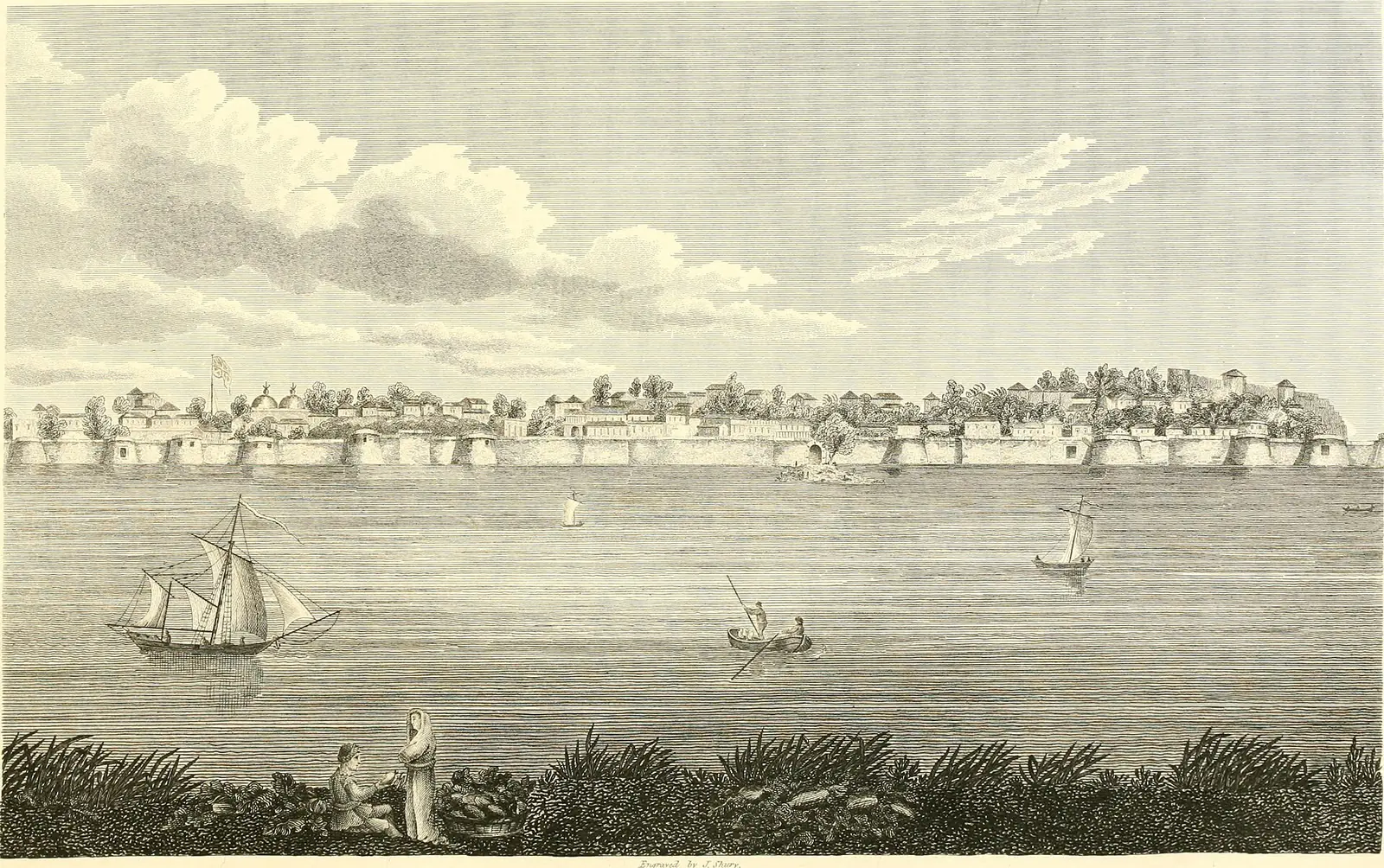
The Puranas place the ashram of Maharshi Bhrigu on the Narmada here, and the town’s old name, Bhrigukachchha, means Bhrigu’s shore; the Bhrigu Rishi temple stands on the river bank. The Periplus of the Erythraean Sea, a Greek sailor’s guide of the 1st century CE, gives Barygaza more space than any other Indian port: pilots went out to meet ships in the tidal mouth, and it shipped cotton cloth, spices and agate from Ujjain and the Deccan, and took in wine, coral and Roman gold. Bharuch belonged in turn to the Western Kshatrapas, the Guptas, the Maitrakas and a line of Gurjara kings who ruled from here in the 7th century.
02Raided, and held
Al-Baladhuri, the 9th-century Arab historian, records that in the caliphate of Umar, about 636, a fleet sent from Oman raided Barwas, his name for Bharuch, and that a century later the governor al-Junayd’s armies struck at Barwas again, with Ujjain and Malwa, before they were thrown back by the Pratiharas and the Chalukyas of Lata. Bharuch went on to serve the Chaulukyas of Patan, then the Gujarat sultans, the Mughals, the Marathas and the British, who took it in 1772 and again in 1803. Kanaiyalal Maneklal Munshi was born here on 30 December 1887; his novels gave Gujarat back its Solanki past.
The life of this place
- 1st century CEThe Periplus describes Barygaza as the chief port of western India.
- c. 636An Arab fleet from Oman raids Bharuch (al-Baladhuri).
- c. 725Al-Junayd’s armies raid Bharuch and Malwa and are driven back.
- 30 December 1887K. M. Munshi is born at Bharuch.