01Pataligrama becomes a capital
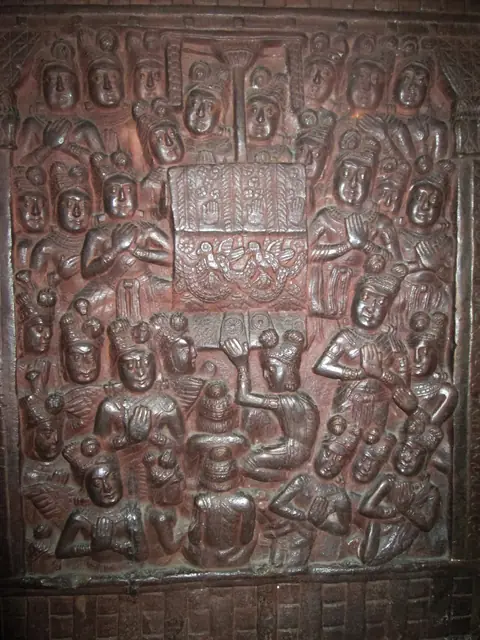
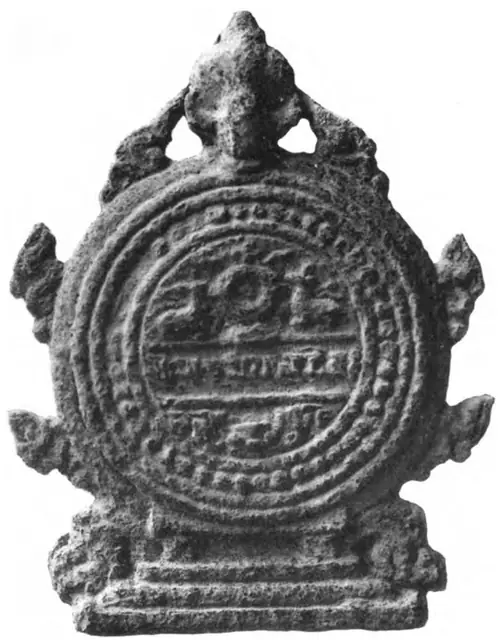
The Mahaparinibbana Sutta tells that the Buddha, crossing the Ganga on his last travels, found Ajatashatru’s ministers building a fort at the village of Pataligrama against the Vajjis, and foretold that it would become a great city. Udayin moved the capital here from Rajagriha. The Nandas ruled from it, and Chandragupta Maurya, guided by Chanakya, took it from them. Ashoka held the Third Buddhist Council here, and in the Gupta age Aryabhata wrote at Kusumapura, as he calls it in the Aryabhatiya.
02What Megasthenes saw
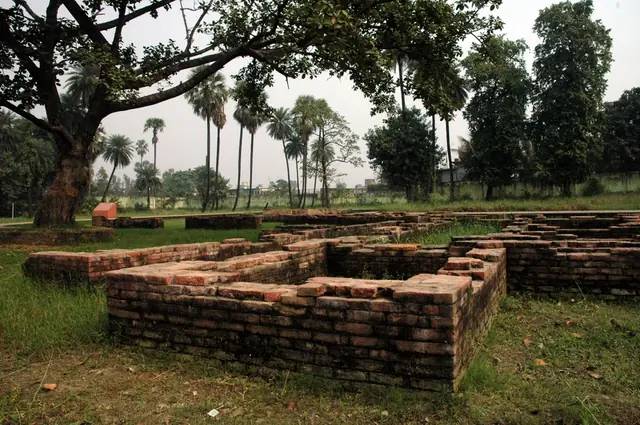
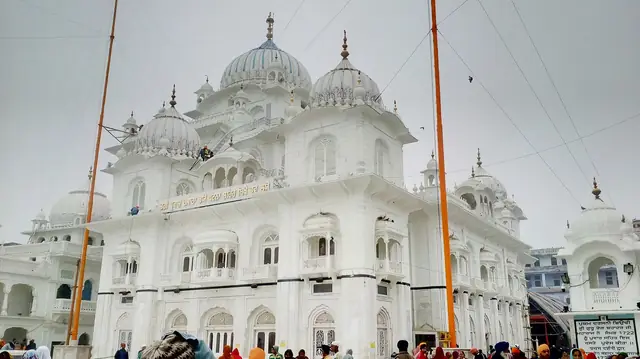
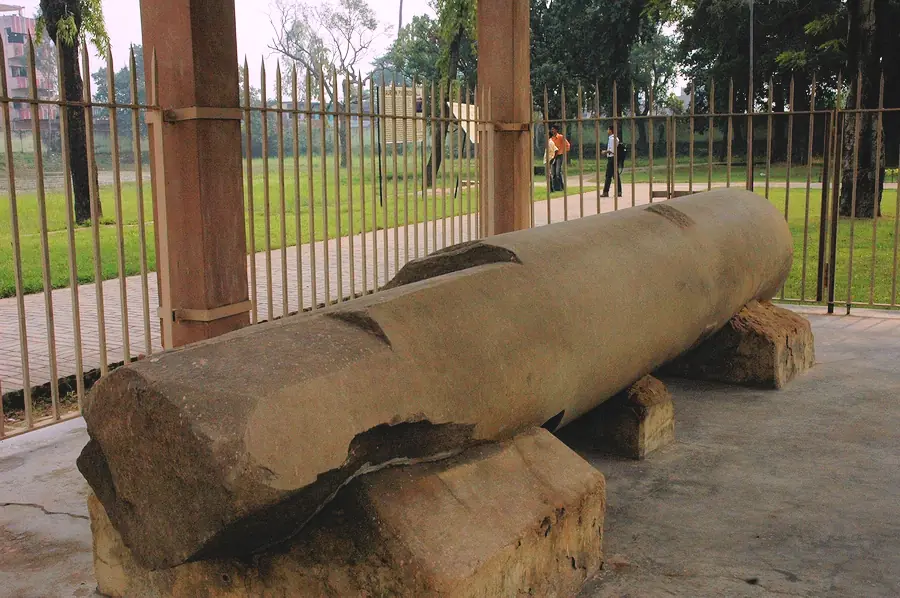
Megasthenes, the Seleucid envoy at Chandragupta’s court around 300 BCE, wrote that Palibothra stretched about 80 stadia along the river and 15 wide, enclosed by a wooden wall with 570 towers and 64 gates and a deep moat. Excavations at Bulandi Bagh in the 1920s found long lines of that sal-wood palisade. At Kumhrar, D. B. Spooner in 1912–15 and the K. P. Jayaswal Research Institute in 1951–55 uncovered the remains of a hall of eighty polished sandstone pillars. In 1541 Sher Shah built a fort here and the town of Patna grew from it. Guru Gobind Singh was born at Patna in 1666, where Takht Sri Harimandir Sahib now stands.
The life of this place
- 5th century BCEAjatashatru fortifies Pataligrama; Udayin later makes it the capital.
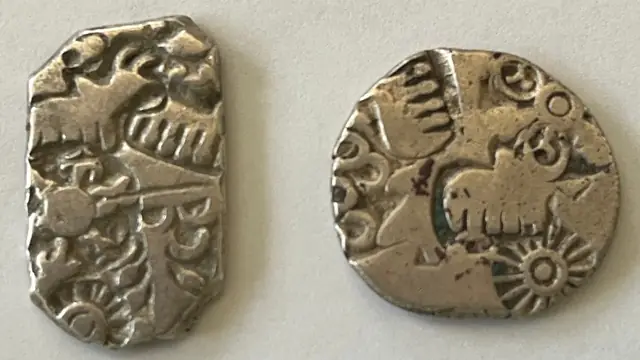
- c. 321 BCEChandragupta Maurya takes Pataliputra from the Nandas.
- 1541Sher Shah builds a fort and the town of Patna grows around it.
- 1666Guru Gobind Singh is born at Patna.
- 1912–15Spooner excavates the Mauryan pillared hall at Kumhrar.
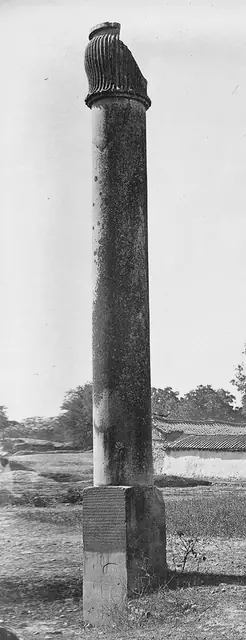
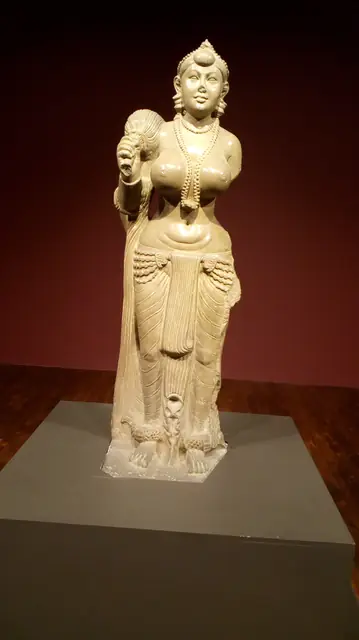
Kumhrar park in Patna shows one surviving pillar and the hall’s plan; the Bihar Museum and Patna Museum hold Mauryan pieces, including the Didarganj Yakshi.