
01The night crossing
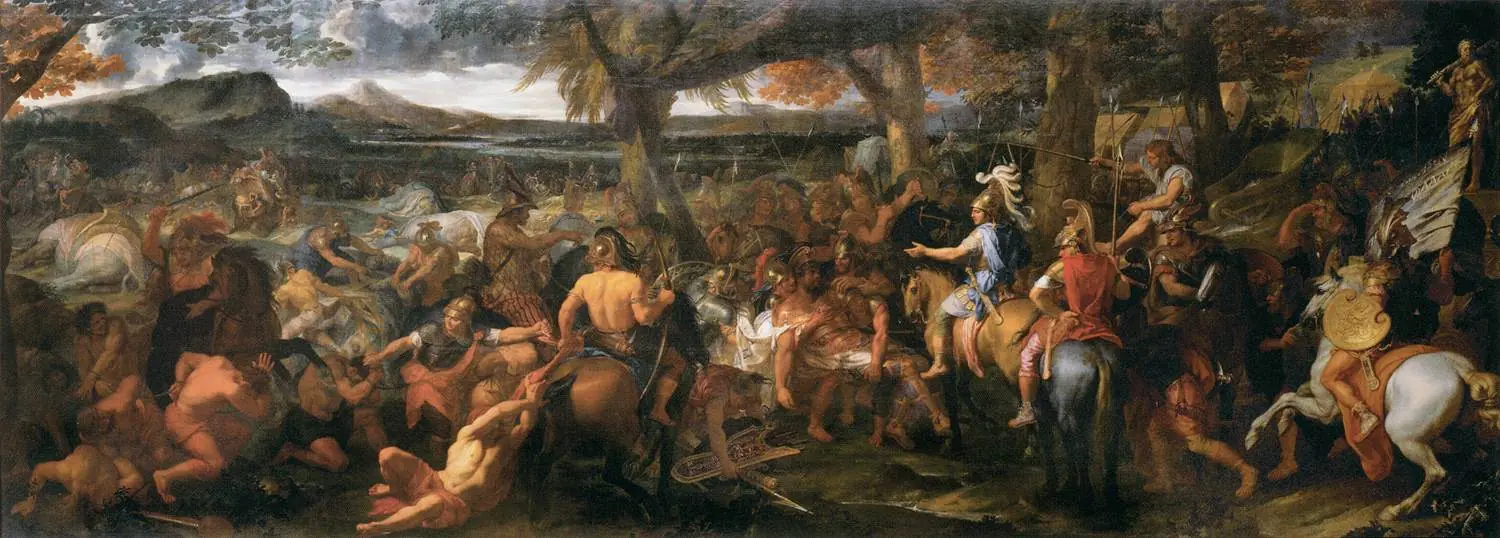
No Indian record of Porus survives; what we have comes from Greek and Roman writers, above all Arrian, who wrote in the 2nd century CE from the memoirs of Ptolemy and Aristobulus, two of Alexander’s officers. Arrian gives Porus some 30,000 foot, 4,000 horse, 300 chariots and 200 elephants. The Jhelum, swollen with the monsoon, lay between the armies. For nights Alexander feinted along the bank, then crossed upstream in a thunderstorm. Porus sent his son with chariots to stop him; the son was killed and the chariots stuck in the mud.
02Like a king
In the main battle the elephants did real harm before, maddened by wounds, they turned on both sides. Porus, very tall by the Greek accounts and riding an elephant, kept fighting after his line had broken and left the field only when wounded. Brought before Alexander and asked how he wished to be treated, he answered, by Arrian’s telling, ‘like a king’. Alexander restored his kingdom and added land to it. The Greek soldiers refused to march beyond the Beas soon after. Diodorus records that around 317 BCE Porus was treacherously killed by the Greek commander Eudemus, who then left India with his elephants.
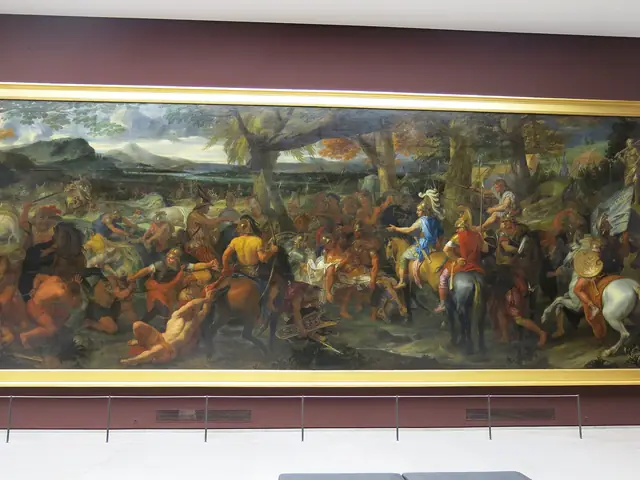
“Treat me, Alexander, like a king.”
Arrian, Anabasis of Alexander 5.19