01Anga’s river port
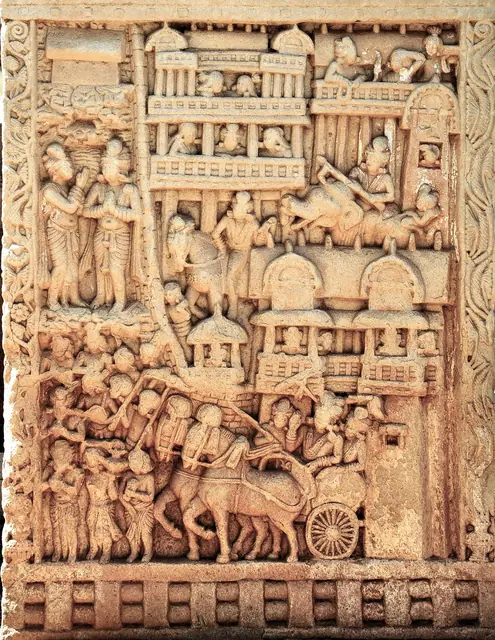
The Mahabharata makes Anga the kingdom Duryodhana gave to Karna, and the people of Bhagalpur still point to the Karnagarh mound as his. The Buddhist Mahaparinibbana Sutta names Champa among the six great cities of the time, with Rajagaha, Savatthi, Saketa, Kosambi and Banaras, and the Buddha stayed by the lotus lake of Gaggara here. The Jatakas speak of merchants sailing from Champa down the Ganga to Suvarnabhumi. Bimbisara of Magadha conquered Anga and with it the trade of the lower river, and Champa became a Magadhan city.
02Vasupujya and the excavated city
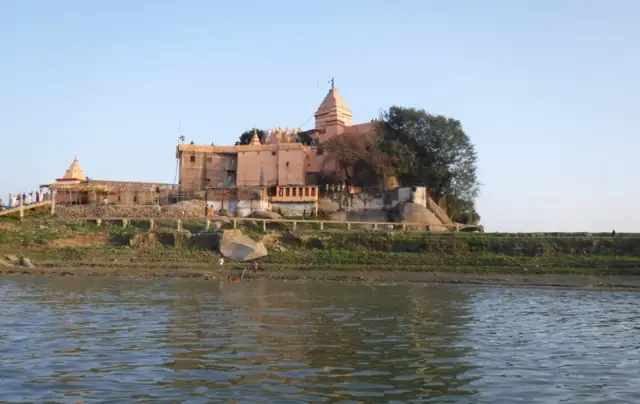
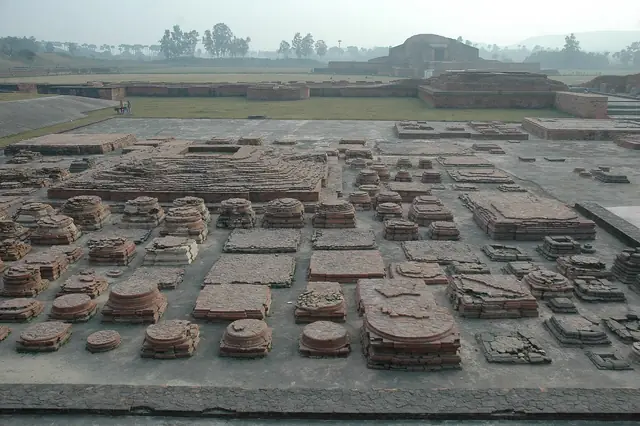
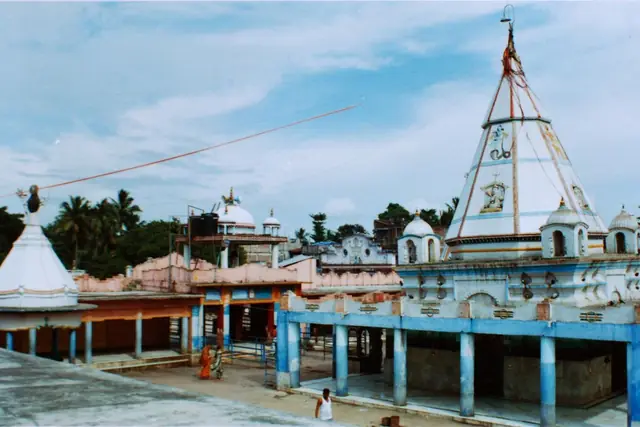
Jain tradition holds that Vasupujya, the twelfth Tirthankara, was born at Champapuri and attained nirvana here, the only Tirthankara of the twenty-four to do both in the same place; Mahavira spent rainy seasons here. The Digambara and Shvetambara temples at Champapur in Nathnagar mark it. Local Hindus keep the katha of Behula, who sailed her husband’s body down the river to win him back from Manasa Devi, at the Manasa temple of Champanagar. Excavations by Patna University from 1969 found a moated mud rampart and layers running from the Northern Black Polished Ware period into the Kushan and Gupta centuries.
The life of this place
- 6th century BCEBimbisara of Magadha annexes Anga and its capital Champa.
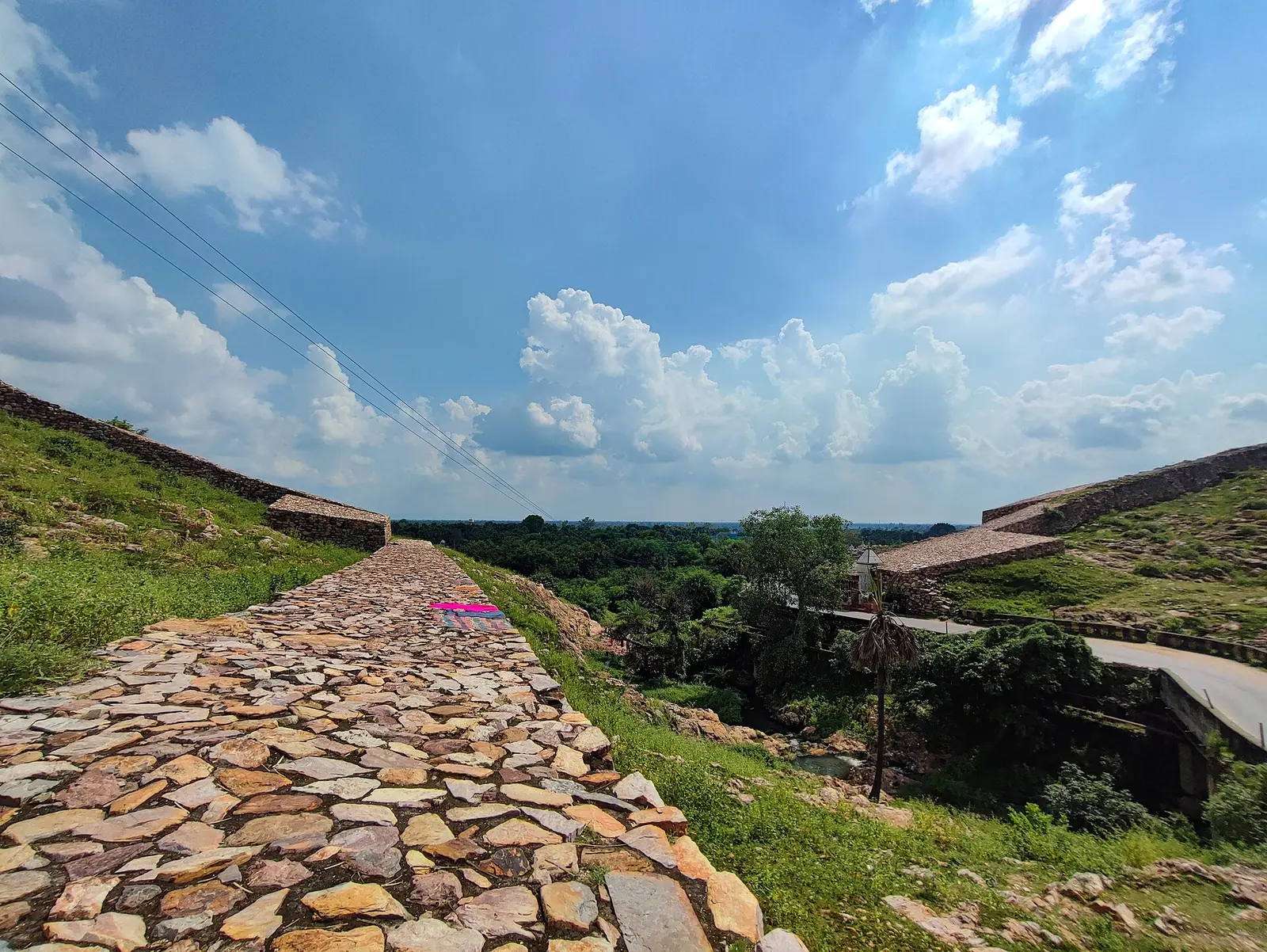
- 1969 onwardsPatna University excavates the fortified mound of Champa.