
दर्शन
The ways of seeing: Hindu philosophy
Six schools that argued with each other for two thousand years, the Vedanta teachers who split from one another, the Agamas and the living lineages, and the great debates: what each school held, who taught it, and where it is still alive.
The six darshanas 6Schools of Vedanta 6Agama and Tantra 5Living lineages 7The shramana views 3Great debates 4
The tree of darshanas
One root, many branches. Tap any school to read what it held.
वेद · आगम · अनुभवthe root: revelation, scripture, experience
The six darshanas
Schools of Vedanta
Agama and Tantra
Living lineages
The shramana views
The six darshanas
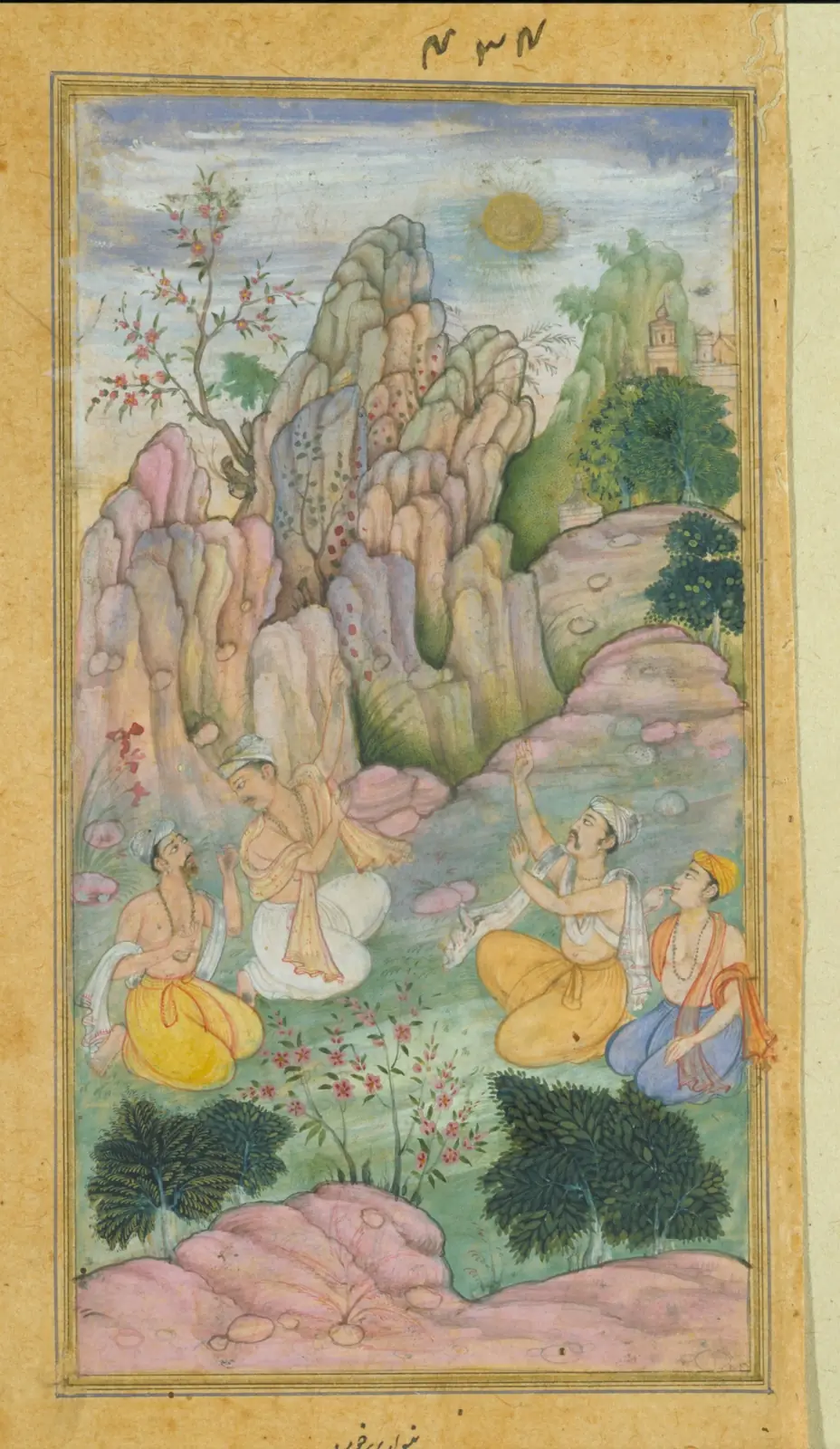
 न्यायदर्शनम्NyayaThe darshana of right reasoning, handed down from Akshapada Gautama.Nyaya Sutra of Gautama: modern estimates run from the 6th c. BCE to the 2nd c. CE
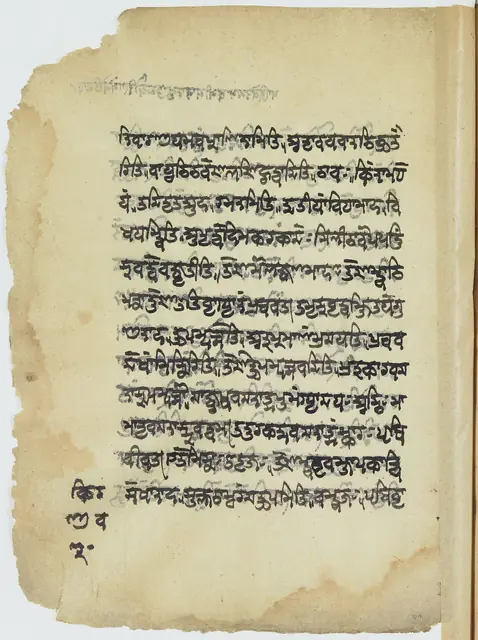 वैशेषिकदर्शनम्VaisheshikaRishi Kanada’s darshana of categories and atoms.Vaisheshika Sutra of Kanada: modern estimates from the 6th to the 2nd c. BCE
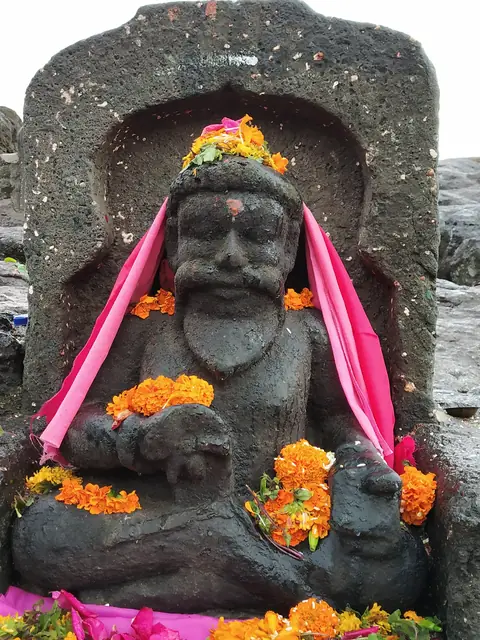 सांख्यदर्शनम्SankhyaThe darshana of counting the tattvas, taught by Kapila Muni.Taught by Kapila Muni
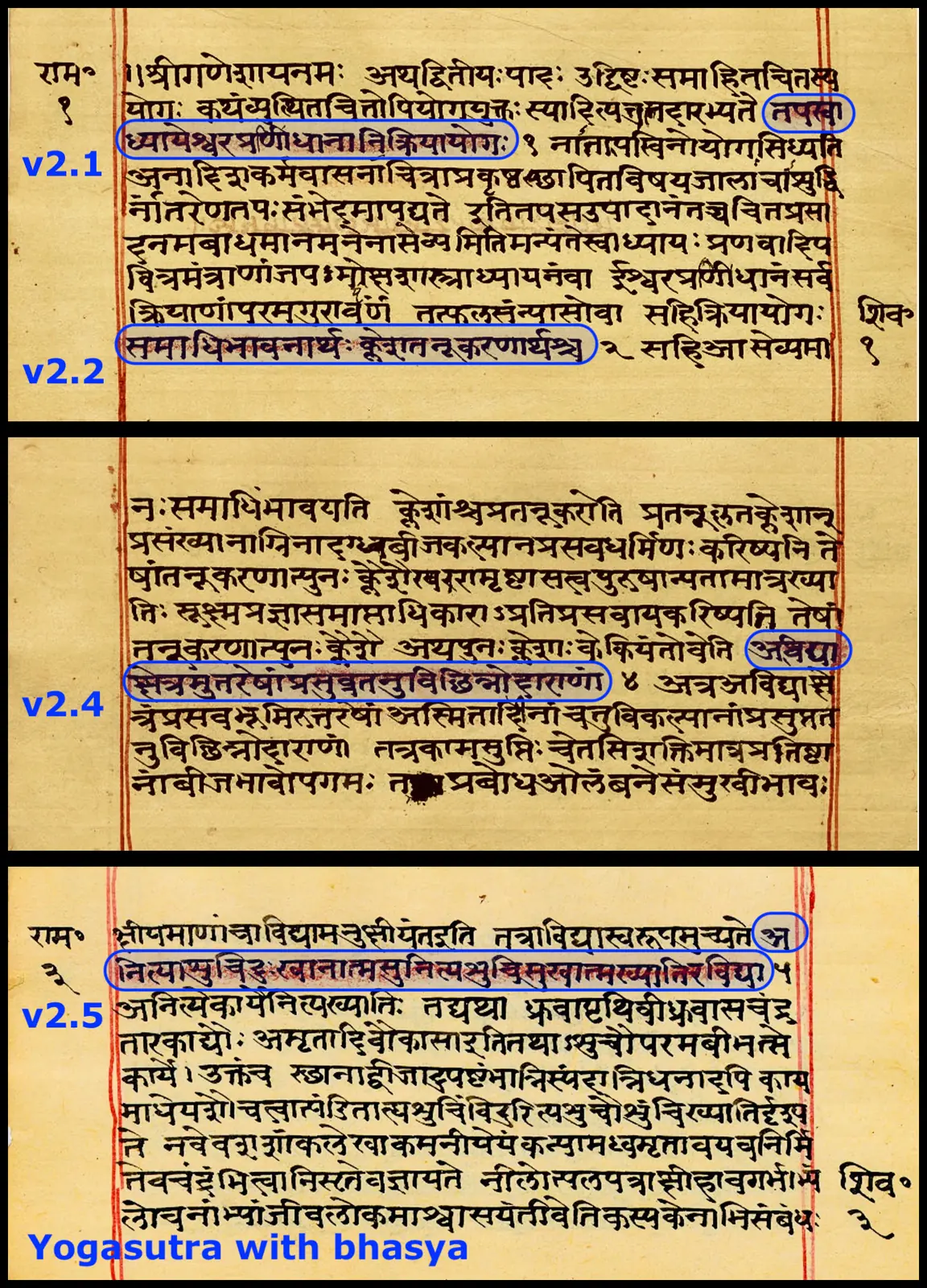
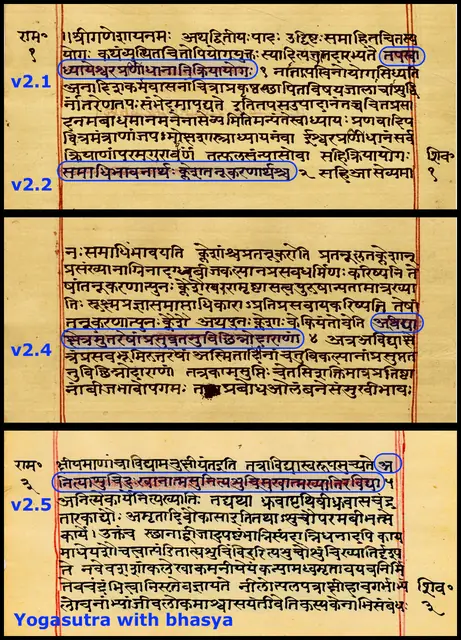 योगदर्शनम्Yoga DarshanaMaharshi Patanjali’s darshana of stilling the mind.Yoga Sutra of Patanjali: modern estimates from the 2nd c. BCE to the 5th c. CE
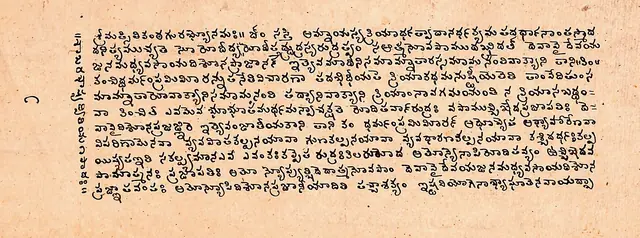 पूर्वमीमांसाPurva MimamsaRishi Jaimini’s darshana of Vedic interpretation.Mimamsa Sutra of Jaimini: modern estimates c. 3rd–2nd c. BCE
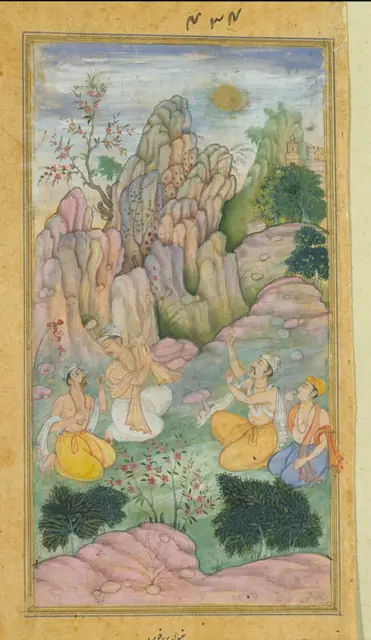 वेदान्तःVedantaUttara Mimamsa, the darshana of the Upanishads.Brahma Sutra of Badarayana: modern estimates place the text as we have it c. 400–450 CE, with older layers
Schools of Vedanta
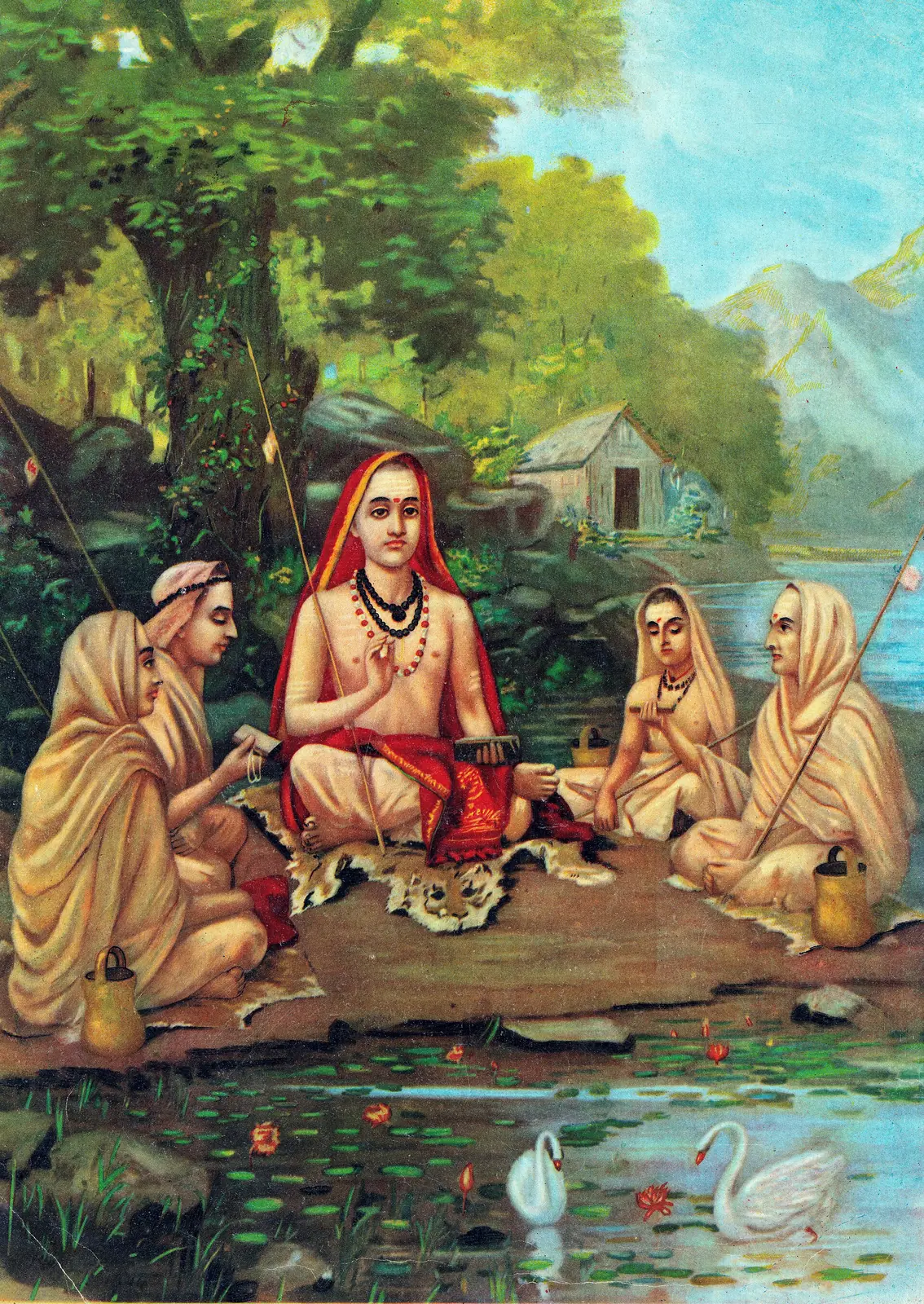
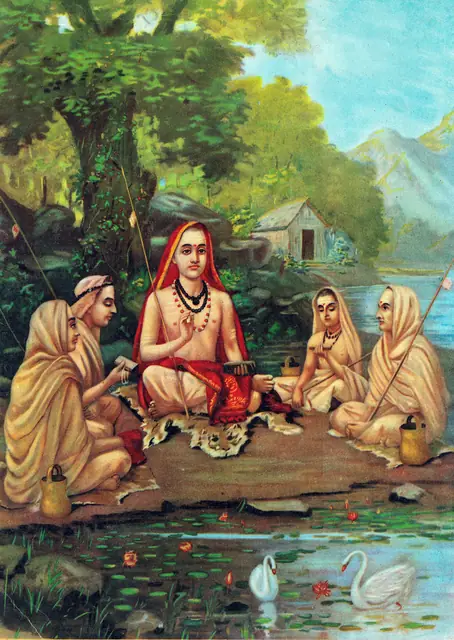 अद्वैतवेदान्तःAdvaita VedantaThe Vedanta of non-duality, taught by Gaudapada and set in order by Adi Shankaracharya.Adi Shankaracharya: Amnaya Mathas’ reckoning c. 509–477 BCE
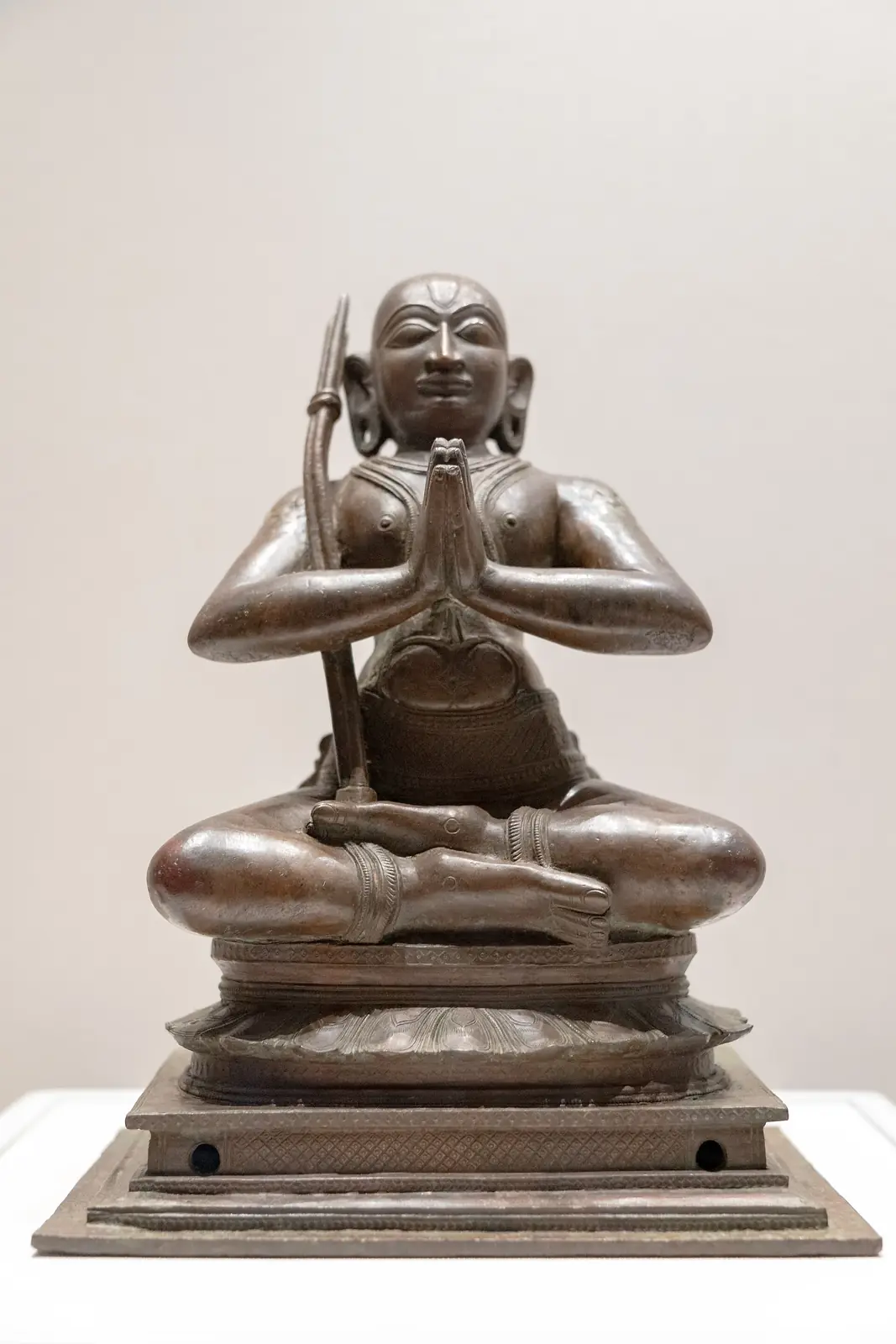
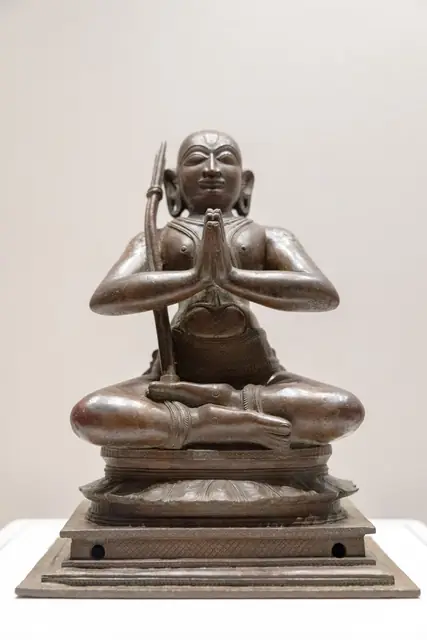 विशिष्टाद्वैतम्VishishtadvaitaRamanujacharya’s Vedanta of the qualified One.Ramanujacharya, traditionally 1017–1137
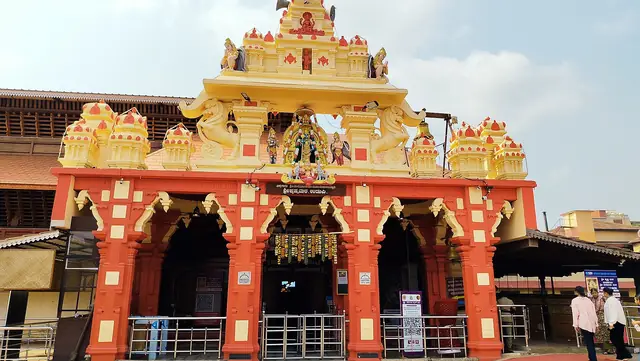 द्वैतवेदान्तःDvaita VedantaMadhvacharya’s Vedanta of real difference.Madhvacharya: widely used dates 1238–1317
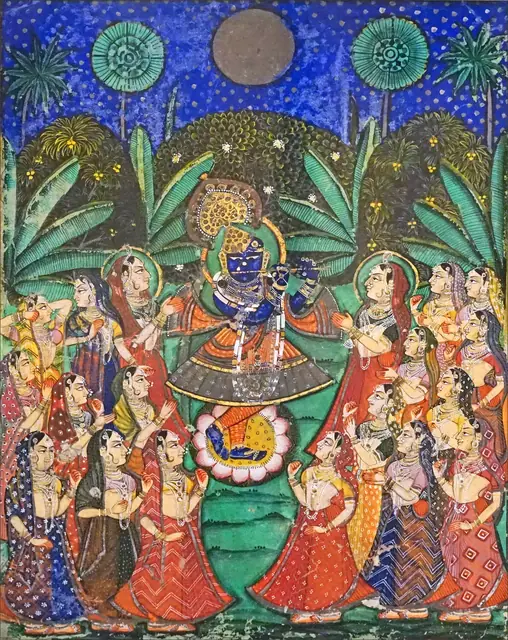 शुद्धाद्वैतम्ShuddhadvaitaVallabhacharya’s pure non-dualism.Vallabhacharya, 1479–1531
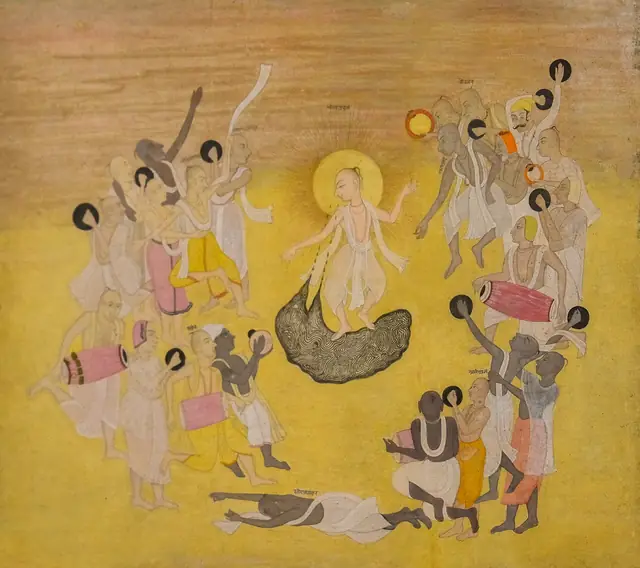 अचिन्त्यभेदाभेदःAchintya BhedabhedaThe Vedanta of the followers of Chaitanya Mahaprabhu: Bhagwan and his energies are at once one and different, in a way the mind cannot fully grasp.Chaitanya Mahaprabhu 1486–1534
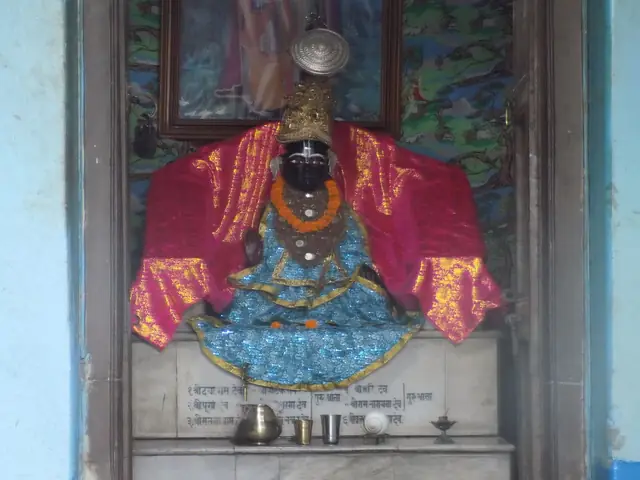 द्वैताद्वैतम्DvaitadvaitaNimbarkacharya’s Vedanta of natural difference and non-difference.Nimbarka: the sampradaya places him in remote antiquity
Agama and Tantra
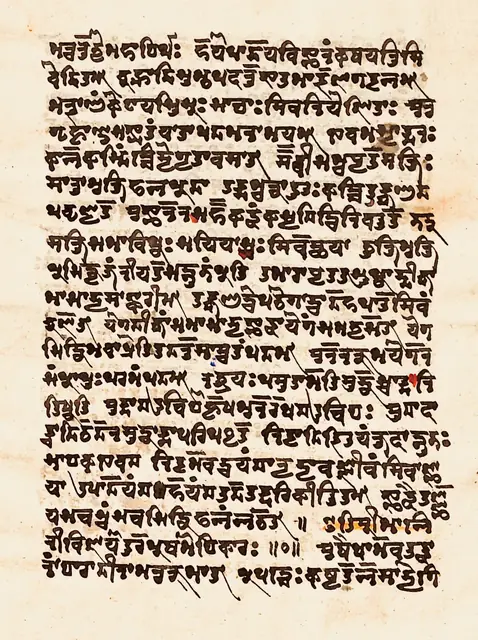 प्रत्यभिज्ञादर्शनम्Kashmir Shaivism (Trika and Pratyabhijna)The non-dual Shaiva darshana of Kashmir.Vasugupta 9th c.
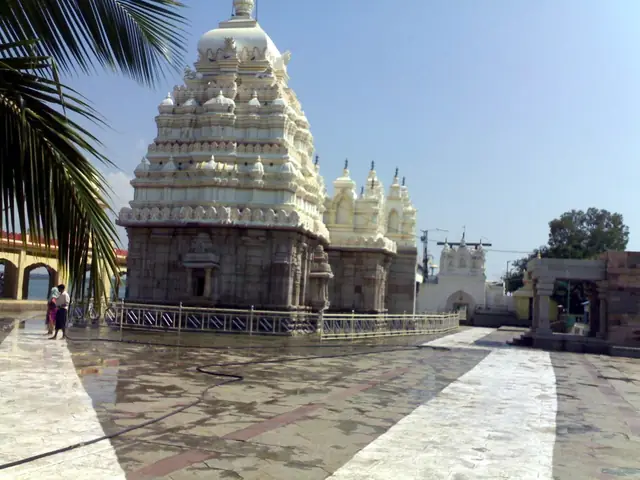 वीरशैवम्Virashaiva (Lingayat) traditionThe Shaiva path of the ishtalinga worn on the body, made a mass movement by Basava and the sharanas of 12th-century Kalyana through their Kannada vachanas.Basava and the sharanas, 12th c., at Kalyana
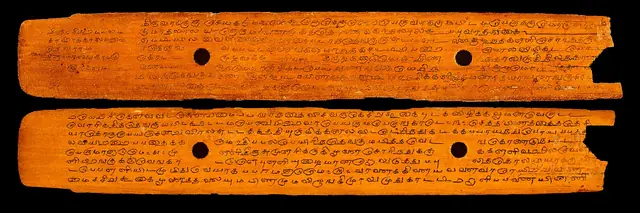 शैवसिद्धान्तःShaiva SiddhantaThe Agamic darshana of Bhagwan Shiva as Pati, Lord of bound souls.Shaiva Agamas, ancient
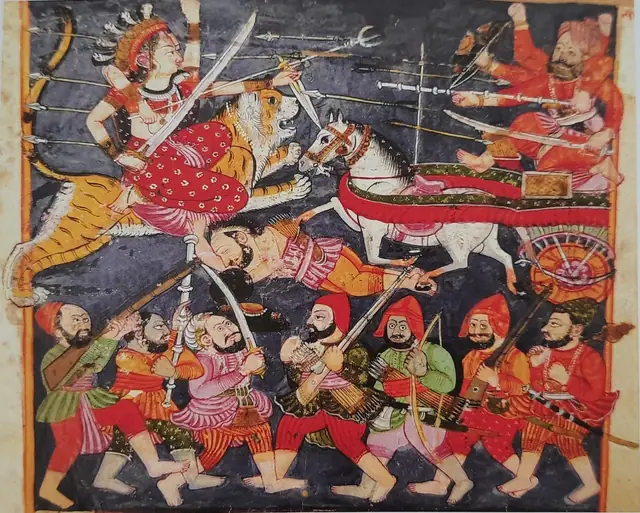 शाक्तदर्शनम्Shakta darshana and TantraThe darshana of Adi Parashakti.From the Devi Sukta of the Rig Veda and the Devi Mahatmya
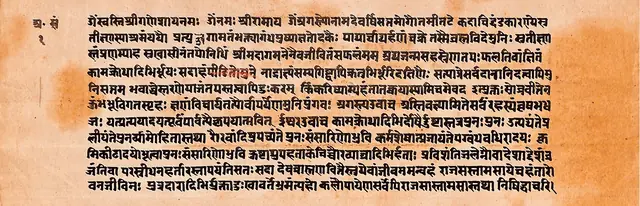 पाञ्चरात्रम्Pancharatra AgamaThe Vaishnava Agama of Bhagwan Narayana’s five forms.Named in the Shatapatha Brahmana
Living lineages
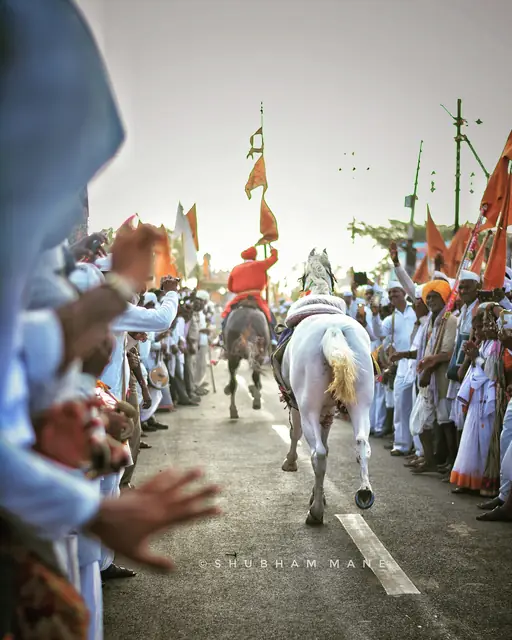
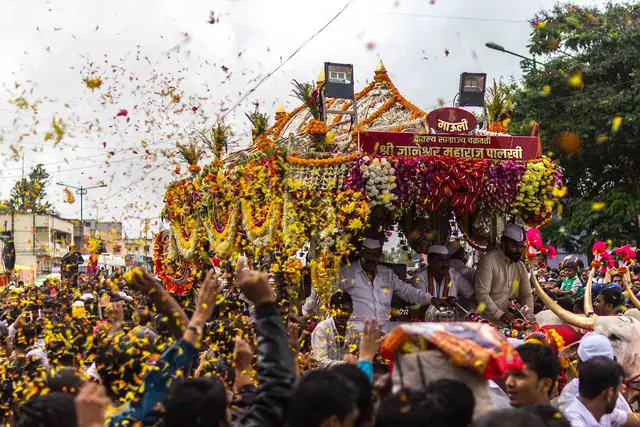 वारकरी सम्प्रदायःVarkari SampradayaThe Marathi path of Vitthala of Pandharpur, carried by the sants from Jnaneshwar to Tukaram.From Sant Jnaneshwar
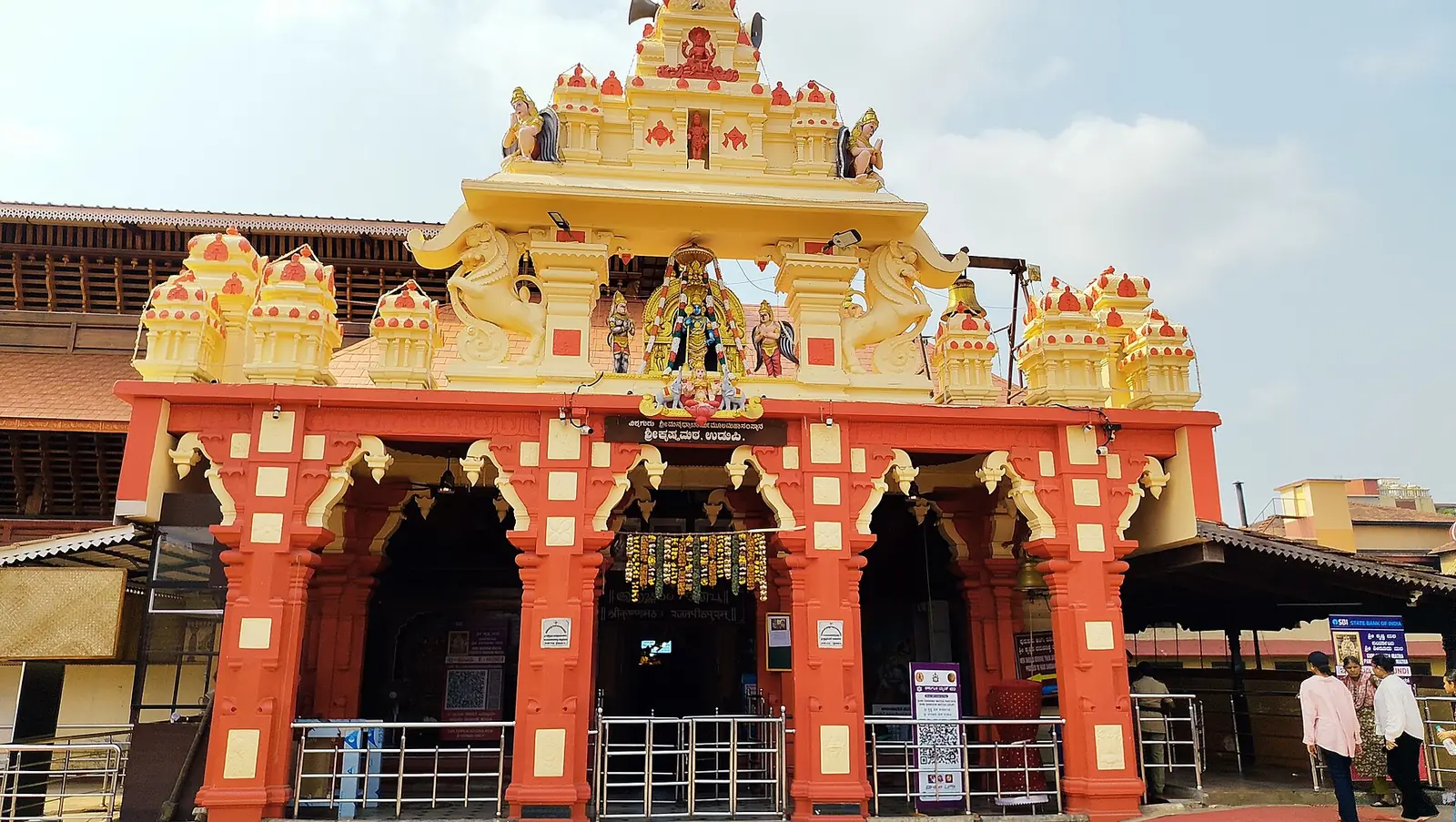
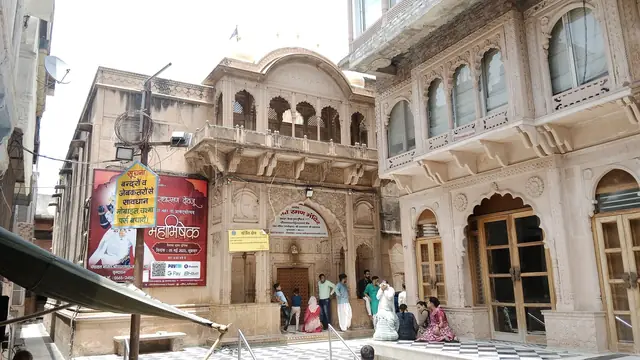 गौडीयवैष्णवसम्प्रदायःGaudiya Vaishnava SampradayaThe sampradaya of Chaitanya Mahaprabhu, built on sankirtan of the holy name and loving service of Radha and Krishna.From Chaitanya Mahaprabhu
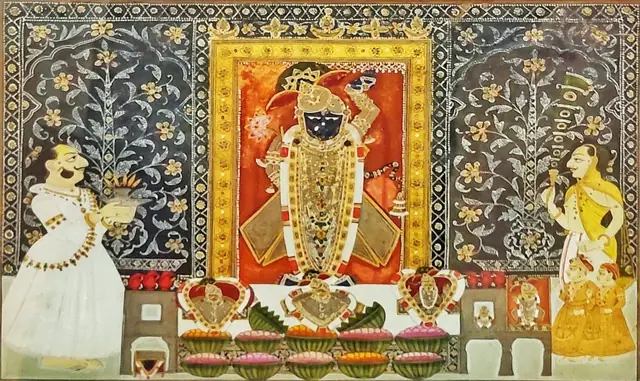 पुष्टिमार्गःPushtimargThe path of grace founded by Vallabhacharya, in which devotees serve Shri Krishna as Shrinathji through the day as a beloved child, with music, poetry, food and painting.Brahmasambandha first given at Gokul, 1494
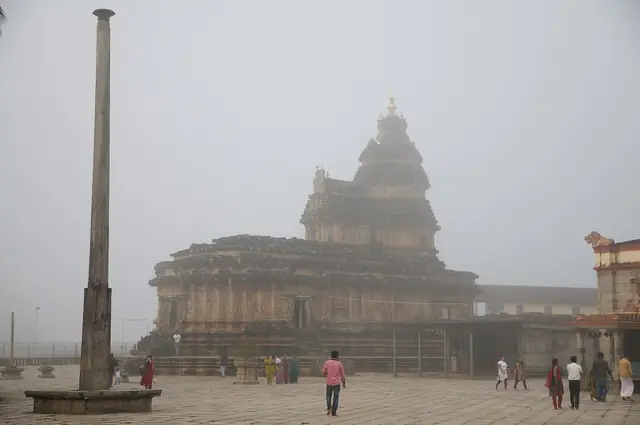 दशनामी सम्प्रदायःDashanami Sampradaya and the Shankara MathasThe order of sannyasis of the ten names, organised by tradition by Adi Shankaracharya under four amnaya mathas at the four corners of Bharat.Founded by Adi Shankaracharya by tradition
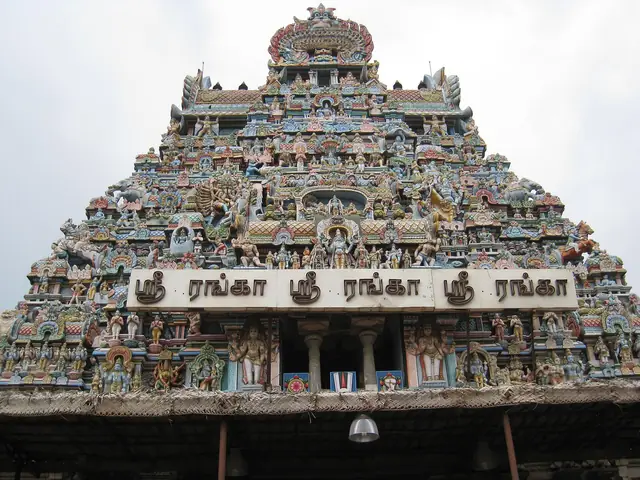 श्रीसम्प्रदायःSri Vaishnava SampradayaThe living community of Shri and Narayana, joining the Tamil hymns of the Alvars with the Sanskrit Vedanta of Ramanuja.Alvars before the 10th c.
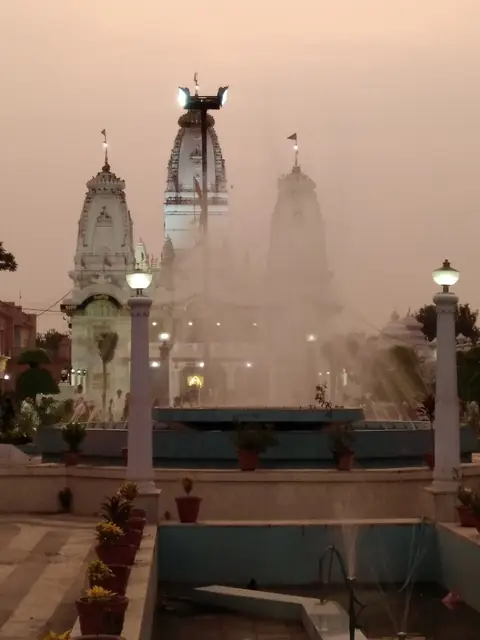 नाथसम्प्रदायःNath SampradayaThe yogi order that names Adinath Shiva as its first guru and Gorakhnath as its great teacher.Matsyendranath and Gorakhnath: scholars place them between the 9th and 13th c.
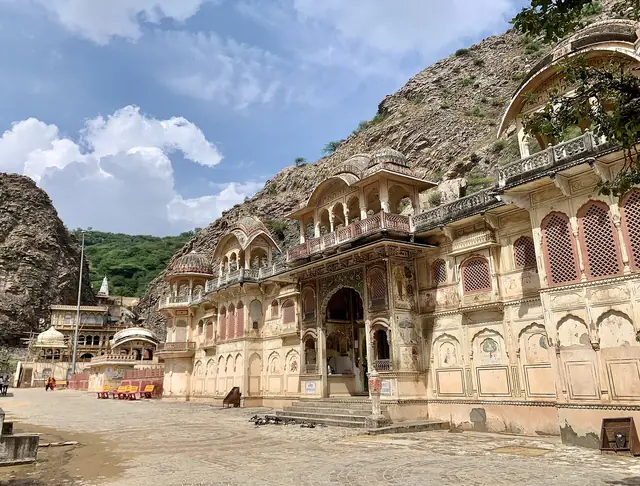 रामानन्दी सम्प्रदायःRamanandi SampradayaThe great order of Shri Rama’s devotees founded by Swami Ramananda of Varanasi.Ramananda: the sampradaya’s reckoning 1299–1410
The shramana views
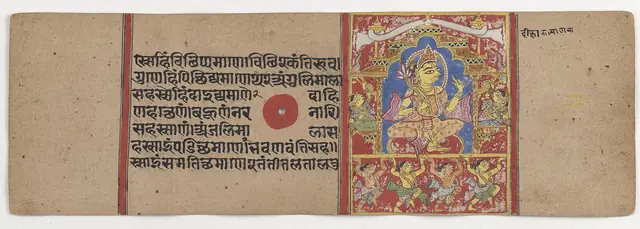 अनेकान्तवादःJain darshana: AnekantavadaThe Jain teaching that reality has many sides, and that every statement about it is true only from a certain standpoint.Bhagwan Mahavira, traditional dates 599–527 BCE
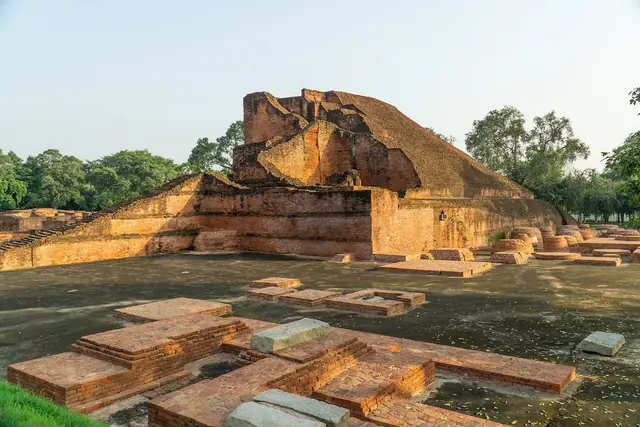 बौद्धदर्शनम्Bauddha darshanaThe teaching of the Buddha and of the great schools that grew from it in Bharat.The Buddha c. 5th c. BCEचार्वाकदर्शनम्चार्वाकदर्शनम्Charvaka (Lokayata)The school that accepted only what can be perceived and denied any world beyond this one.Ancient
Great debates
कुमारिलबौद्धविवादःकुमारिलबौद्धविवादःKumarila Bhatta and the Buddhist logiciansThe 7th-century Mimamsaka Kumarila Bhatta took on the Buddhist logicians over the authority of the Veda, the reality of the outer world and the nature of words.Kumarila Bhatta, 7th c. CE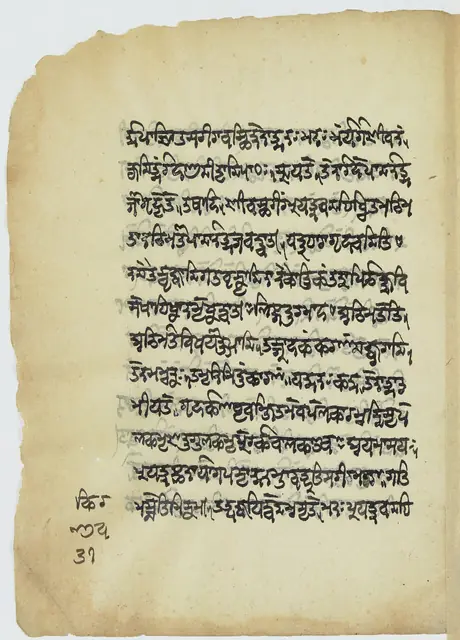 न्यायकुसुमाञ्जलिःUdayana’s defence of IshvaraAround the year 1000, Udayanacharya of Mithila wrote the Nyayakusumanjali, a handful of flowers of reasoning, to prove the existence of Ishvara against Buddhists, Mimamsakas, Jains, Sankhyas and Charvakas.Udayana active from 984 CE
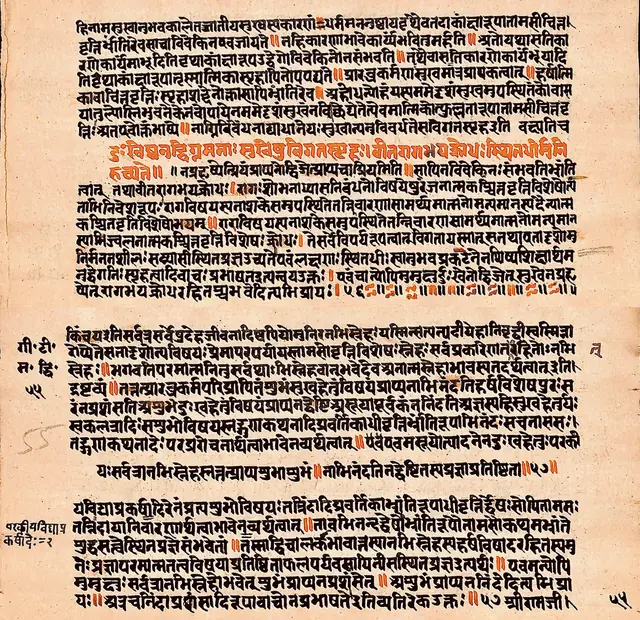 न्यायामृताद्वैतसिद्धिविवादःNyayamrita and Advaitasiddhi: the Dvaita–Advaita debateThe greatest written debate of later Vedanta.Vyasatirtha
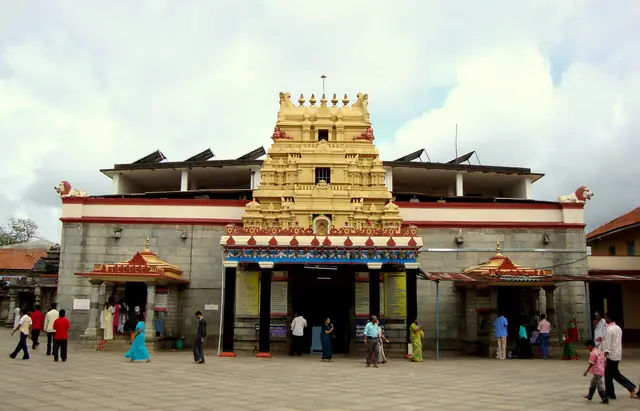 शंकरमण्डनशास्त्रार्थःThe debate of Shankara and Mandana MishraThe most famous shastrartha in Hindu memory: Adi Shankaracharya against the Mimamsaka householder Mandana Mishra, with Mandana’s learned wife Ubhaya Bharati as judge, and sannyasa as the stake.In the lifetime of Adi Shankaracharya
न्यायकुसुमाञ्जलिःUdayana’s defence of IshvaraAround the year 1000, Udayanacharya of Mithila wrote the Nyayakusumanjali, a handful of flowers of reasoning, to prove the existence of Ishvara against Buddhists, Mimamsakas, Jains, Sankhyas and Charvakas.Udayana active from 984 CEन्यायामृताद्वैतसिद्धिविवादःNyayamrita and Advaitasiddhi: the Dvaita–Advaita debateThe greatest written debate of later Vedanta.Vyasatirthaशंकरमण्डनशास्त्रार्थःThe debate of Shankara and Mandana MishraThe most famous shastrartha in Hindu memory: Adi Shankaracharya against the Mimamsaka householder Mandana Mishra, with Mandana’s learned wife Ubhaya Bharati as judge, and sannyasa as the stake.In the lifetime of Adi ShankaracharyaBeyond kings and battles