Cite
MLA
“Dvaita Vedanta.” Hindu History, 2026, https://www.hinduhistory.in/darshana/dvaita-vedanta/. Accessed .
APA
Hindu History. (2026). Dvaita Vedanta. Retrieved , from https://www.hinduhistory.in/darshana/dvaita-vedanta/
What defines it
- 01
Panchabheda: five real differences
- 02
Vishnu alone is svatantra; all else depends on him
- 03
The world is real
- 04
Taratamya: Hari sarvottama, Vayu jivottama
- 05
Udupi’s eight mathas and the Paryaya
01Purnaprajna of Pajaka
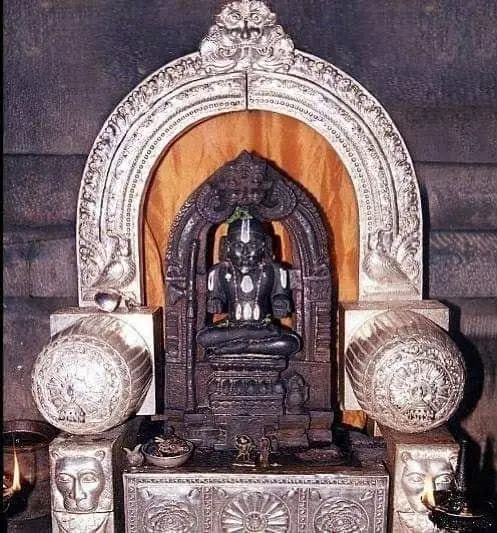
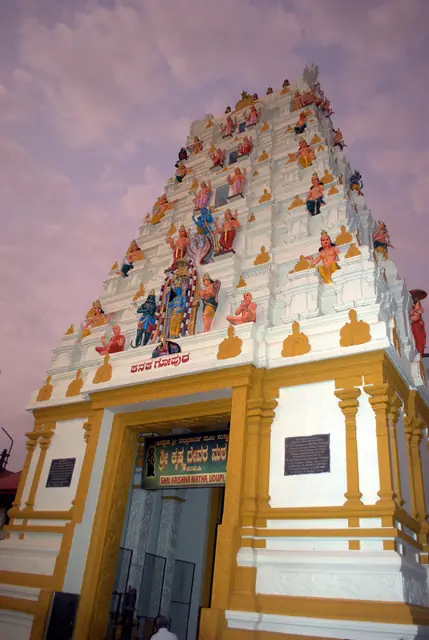
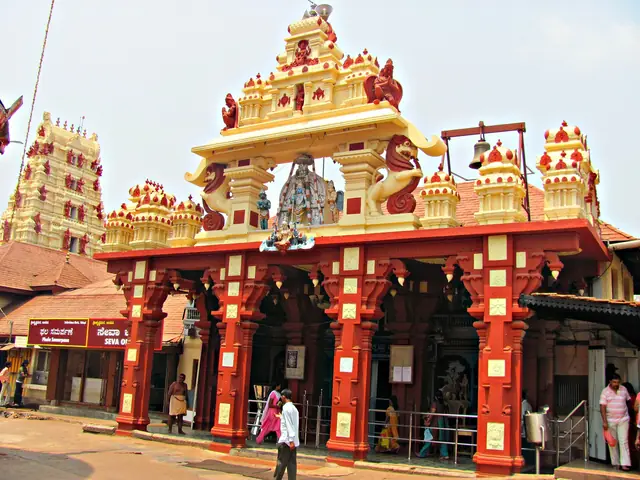
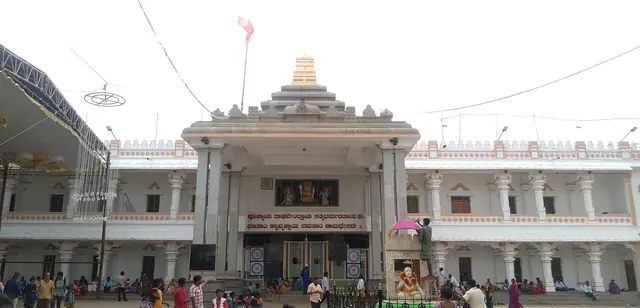
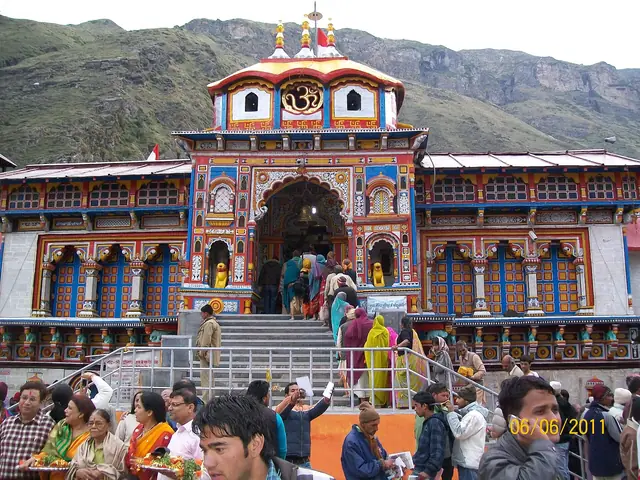
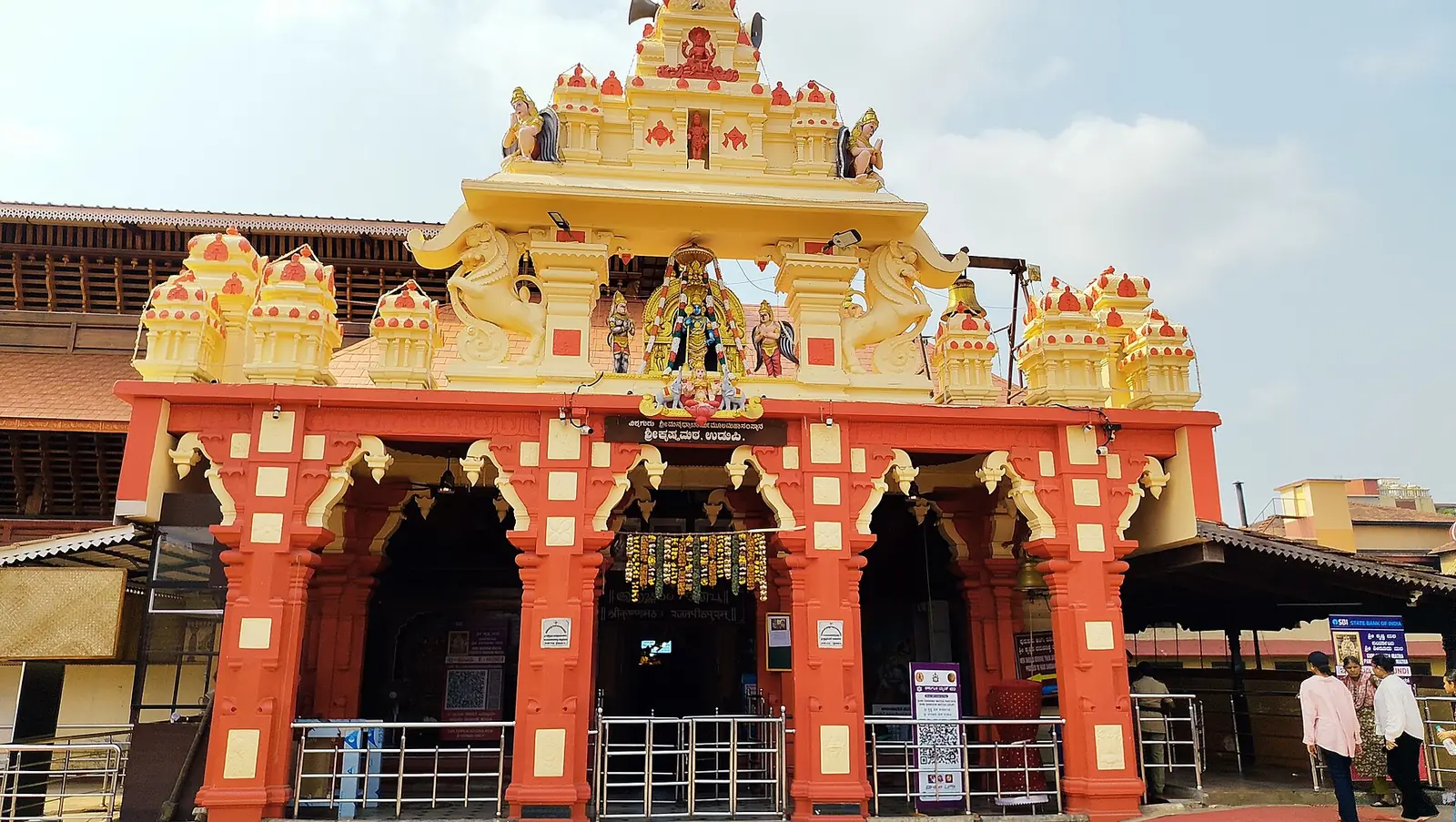
Madhva was born at Pajaka near Udupi on the Tulu coast and named Vasudeva. He took sannyasa as Purnaprajna and was later known as Anandatirtha. The tradition holds him to be an avatar of Vayu, after Hanuman and Bhima. He travelled twice to Badrinath, and the Madhva accounts say he met Maharshi Vyasa there. At Udupi he installed the murti of Bala Krishna, which tradition says he found in a lump of gopichandana clay from a ship, and placed its worship in the hands of eight mathas. Since the 16th century, under Vadiraja Tirtha, these mathas take turns of two years each, the Paryaya, with the handover in January drawing great crowds.
02Five differences
Madhva taught that difference is real and eternal, and named five: between Ishvara and the jiva, between Ishvara and matter, between one jiva and another, between jiva and matter, and between one piece of matter and another. Vishnu is svatantra, the only independent reality; everything else is paratantra, dependent. The world is real because Bhagwan, who never deceives, makes it. Souls differ in nature too, a doctrine called taratamya, a graded order, and the school states it as Hari sarvottama, Vayu jivottama: Hari is highest of all, Vayu highest of souls. Moksha is the soul’s own bliss in Bhagwan’s presence, reached by knowledge and bhakti and finally by his grace.
03Tikacharya, Vyasatirtha, Raghavendra
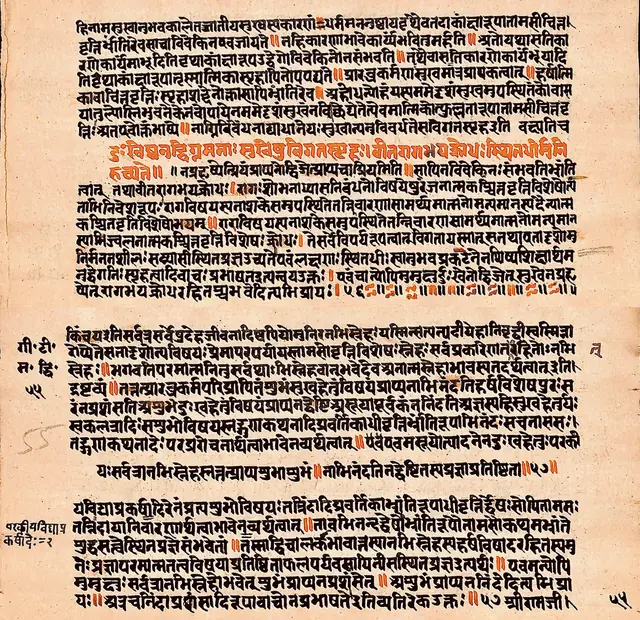
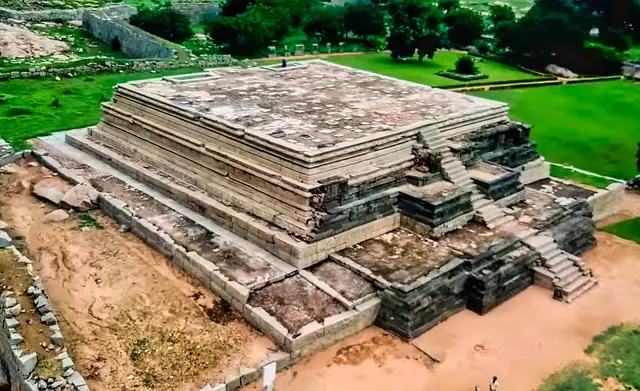
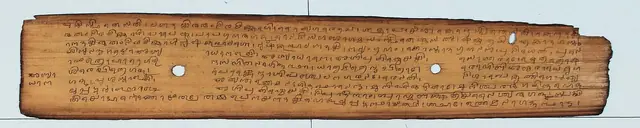
Madhva left thirty-seven works, the Sarvamula Granthas, among them the Brahma Sutra Bhashya, the Anuvyakhyana, the Gita Bhashya and the Mahabharata Tatparya Nirnaya. Jayatirtha (c. 1345–1388), called Tikacharya, wrote the Nyaya Sudha on the Anuvyakhyana and gave the school its systematic form. Vyasatirtha (1447–1539), rajaguru at Vijayanagara under Krishnadevaraya, wrote the Nyayamrita, Tatparya Chandrika and Tarka Tandava, and taught the Haridasas Purandara Dasa and Kanakadasa, whose Kannada songs carried Madhva’s bhakti to ordinary homes. Raghavendra Tirtha, whose brindavana at Mantralayam on the Tungabhadra draws pilgrims every day, wrote commentaries on most of the earlier works.
Family tree
Great masters
In the texts
- Brahma Sutra Bhashya and Anuvyakhyana of Madhva
- Mahabharata Tatparya Nirnaya
- Nyaya Sudha of Jayatirtha
- Nyayamrita of Vyasatirtha