Cite
MLA
“Shuddhadvaita.” Hindu History, 2026, https://www.hinduhistory.in/darshana/shuddhadvaita/. Accessed .
APA
Hindu History. (2026). Shuddhadvaita. Retrieved , from https://www.hinduhistory.in/darshana/shuddhadvaita/
What defines it
- 01
Brahman is Krishna, sat-chit-ananda, untouched by maya
- 02
Avikrita parinamavada: the world as unchanged Brahman’s self-expression
- 03
Jagat is real; samsara is the jiva’s own web
- 04
Pushti: grace, above maryada
- 05
Bhagavata Purana as the fourth prasthana
01The acharya of Champaranya
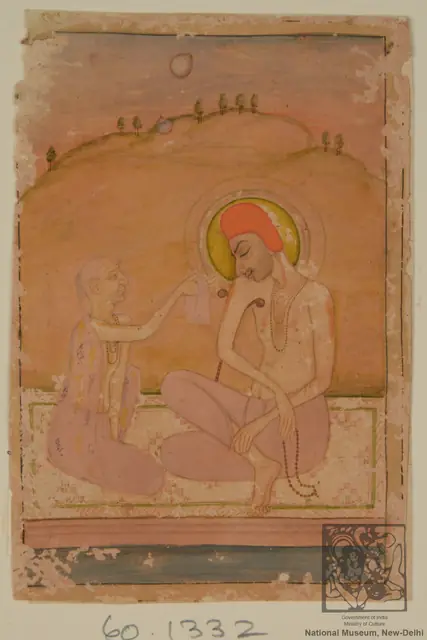
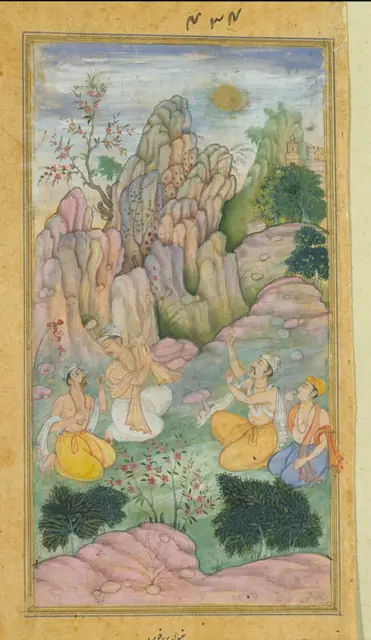
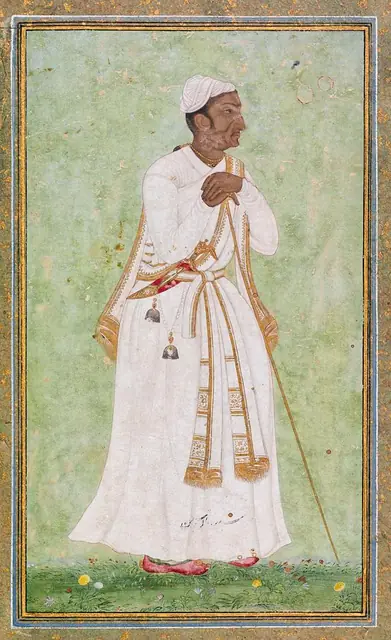
Vallabha was born in 1479 into a Telugu Brahmin family; the sampradaya marks his birthplace at Champaranya in present-day Chhattisgarh. He studied at Varanasi, made three long pilgrimages round Bharat, and is remembered in the tradition for winning a debate at the Vijayanagara court. He placed himself in the line of Vishnusvami and the Rudra sampradaya. Unlike most acharyas, he married and lived as a householder, and the leadership passed to his sons Gopinatha and Vitthalanatha. He wrote the Anubhashya on the Brahma Sutra, which Vitthalanatha completed, the Subodhini on the Bhagavata Purana, which he treated as the fourth prasthana, and sixteen short works, the Shodasha Granthas.
02Pure, because maya is left out
Shuddhadvaita means non-dualism made pure, free of maya. For Vallabha, Brahman is sat, chit and ananda, and he is Shri Krishna. The world comes forth from Brahman as gold becomes ornaments without ceasing to be gold, a view called avikrita parinamavada, transformation without change in the source. So the world is real and is Brahman itself in the aspect of sat. Souls come from him like sparks from a fire, sharing his being and consciousness while his bliss is hidden from them. What binds is samsara, the web of I and mine that the jiva spins, not the world itself. Release comes by pushti, Bhagwan’s grace, received through loving seva.
03From doctrine to seva
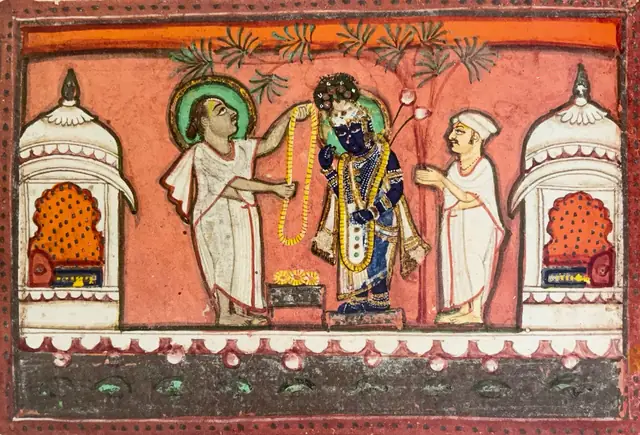
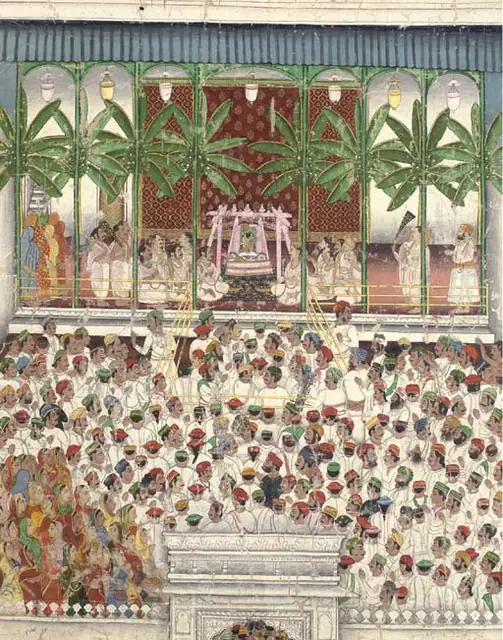
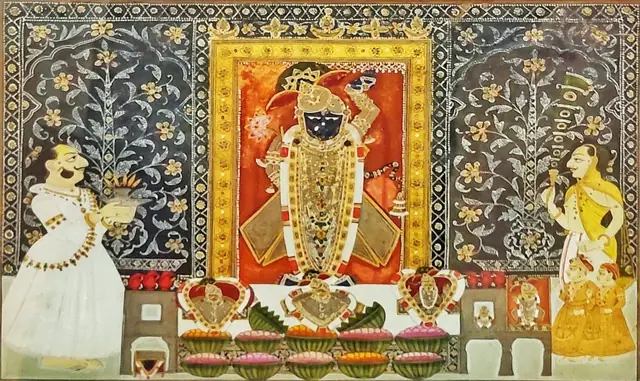
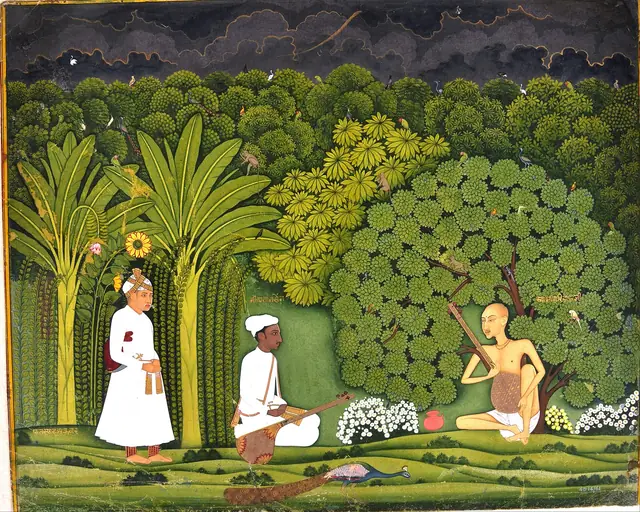
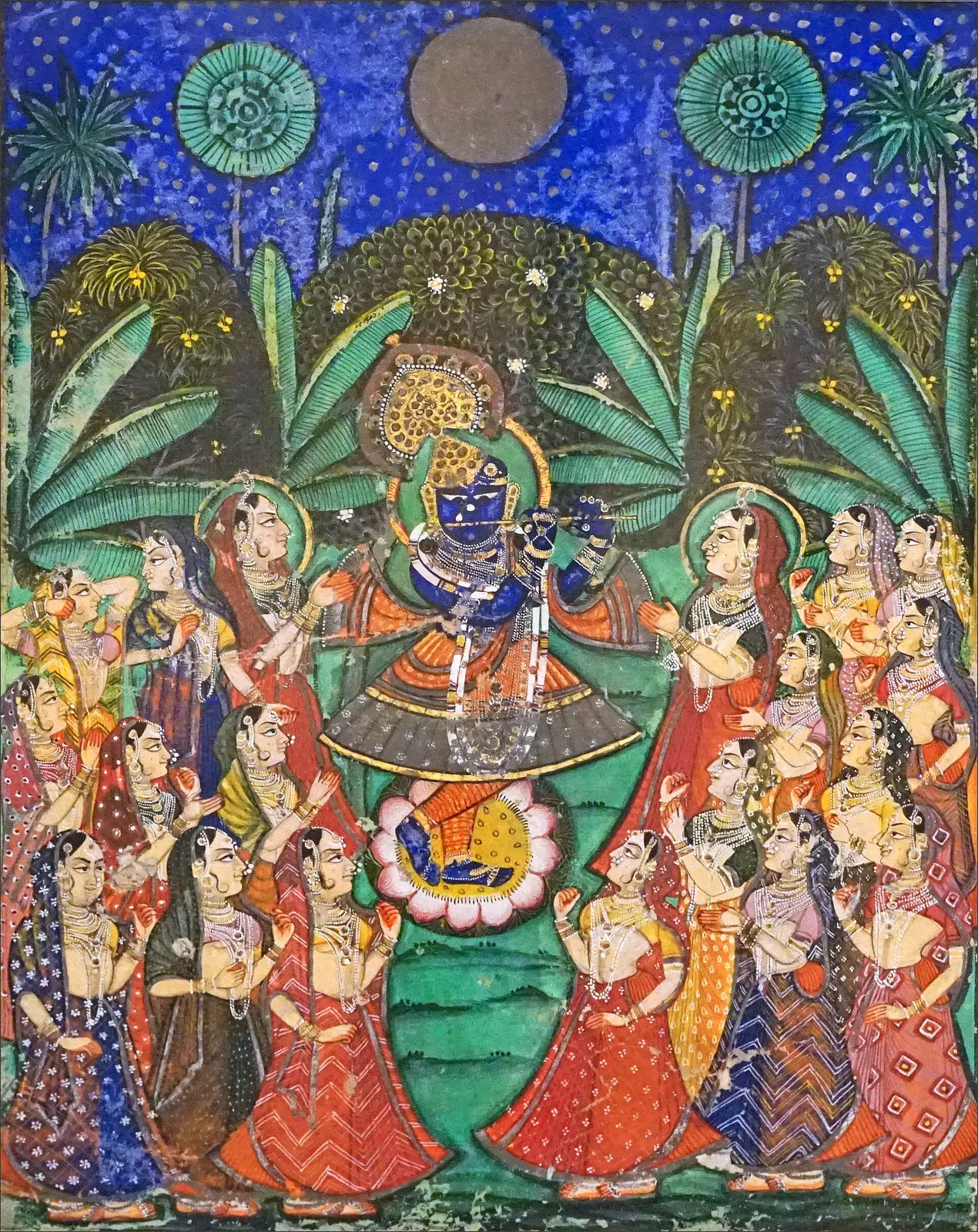
Vallabha drew a line between maryada bhakti, devotion that follows the rules of the shastra, and pushti bhakti, devotion that depends wholly on grace and expects nothing. The second is the higher. In practice the doctrine became seva of Shri Krishna in the form of Shrinathji, whom Vallabha recognised on Govardhan, cared for as a living child and beloved through the day. The Pushtimarg, described separately in this pillar, is the community that keeps this seva. Vallabha’s grandson Gokulnath and later teachers added works in Braj Bhasha, and the Ashtachhap poets, Surdas first among them, set the philosophy to song.
Family tree
Great masters
In the texts
- Anubhashya on the Brahma Sutra
- Subodhini on the Bhagavata Purana
- Shodasha Granthas