Cite
MLA
“Bauddha darshana.” Hindu History, 2026, https://www.hinduhistory.in/darshana/bauddha-darshana/. Accessed .
APA
Hindu History. (2026). Bauddha darshana. Retrieved , from https://www.hinduhistory.in/darshana/bauddha-darshana/
What defines it
- 01
Four noble truths and the eightfold path
- 02
Anatta: no lasting self
- 03
Pratityasamutpada: dependent arising
- 04
Kshanikavada: everything is momentary
- 05
Four schools: Vaibhashika, Sautrantika, Yogachara, Madhyamaka
01The first sermon at Sarnath
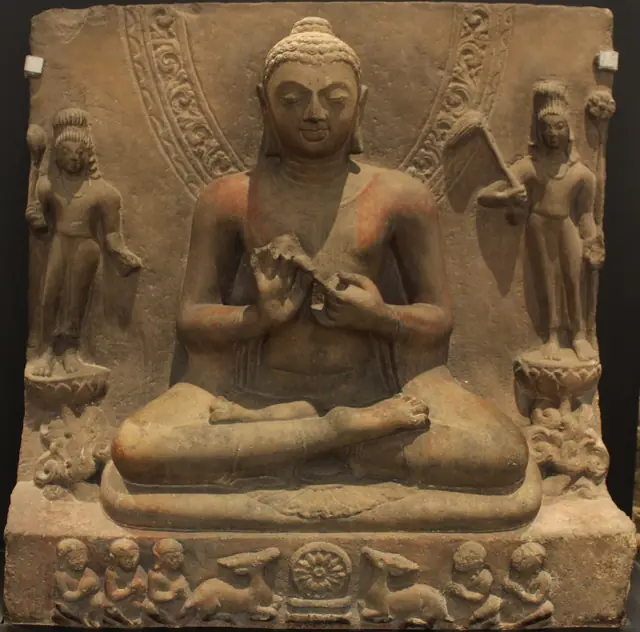
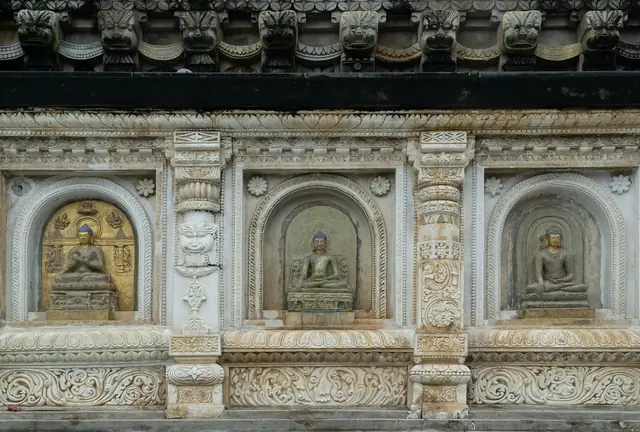
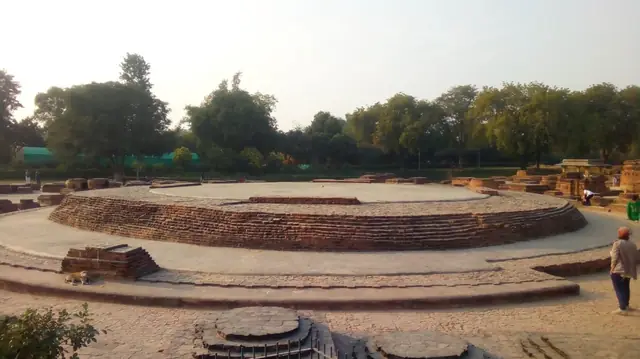
Siddhartha Gautama of the Shakya clan attained bodhi under the pipal tree at Bodh Gaya and gave his first sermon to five companions in the deer park at Sarnath. He taught four noble truths: there is dukkha, suffering; it has a cause, craving; it can end; and there is a path to its end, the eightfold path of right view, intention, speech, action, livelihood, effort, mindfulness and concentration. Three marks describe all conditioned things: impermanence, suffering and anatta, the absence of a lasting self. Pratityasamutpada, dependent arising in twelve links, explains how rebirth turns without a soul passing on. Nirvana is the end of craving. The Bhagavata Purana (1.3.24) counts the Buddha among the avatars of Vishnu.
02Four schools
Hindu doxographies such as the Sarvadarshanasangraha describe four Bauddha schools. The Vaibhashikas held that dharmas, the momentary elements of experience, exist in all three times. The Sautrantikas held that we know outer objects only by inference from images in the mind. The Yogacharas, Asanga and Vasubandhu, around the 4th and 5th centuries, taught vijnaptimatra, that what we experience is consciousness alone. The Madhyamikas, after Nagarjuna’s Mulamadhyamakakarika, taught shunyata, that nothing has its own fixed nature. All four held kshanikavada, that whatever exists lasts only a moment. Dignaga’s Pramanasamuccaya and Dharmakirti’s Pramanavarttika made Buddhist logic the sharpest opponent Nyaya and Mimamsa ever faced.
03Nalanda and the long debate
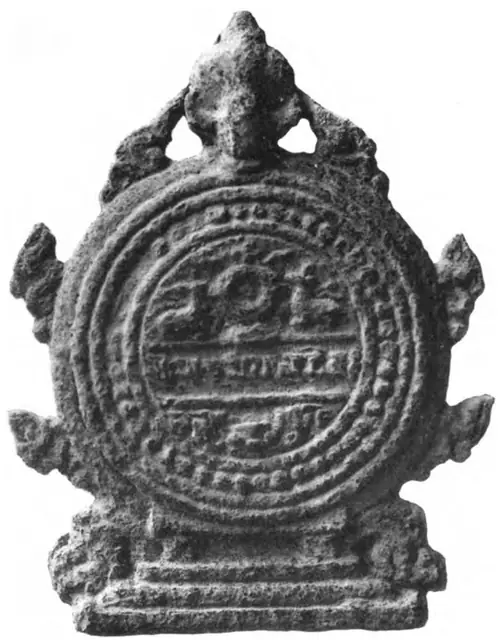
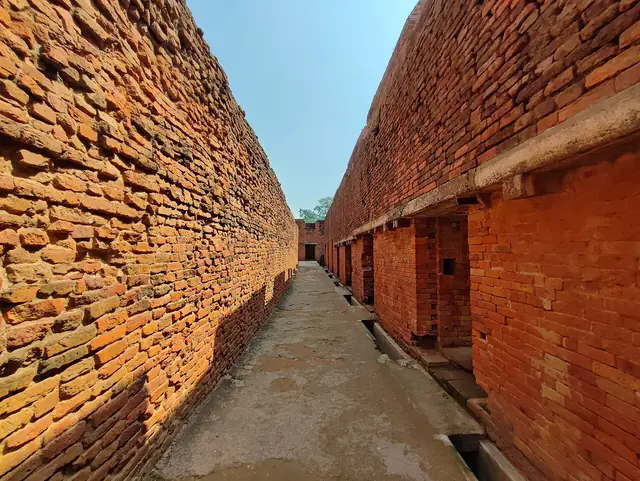
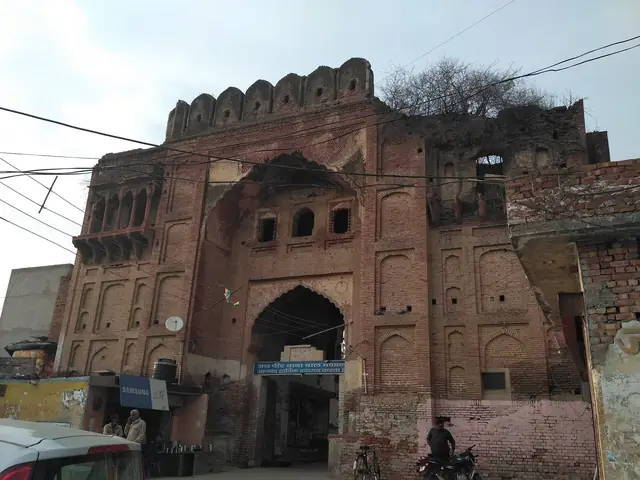
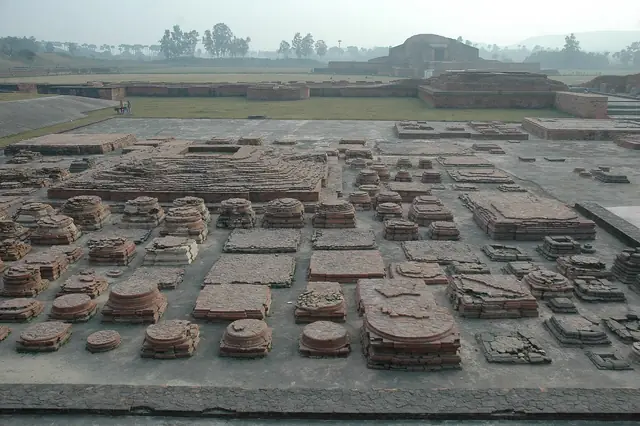
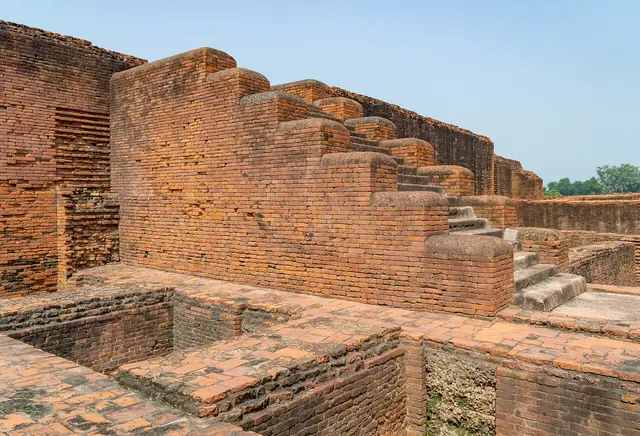
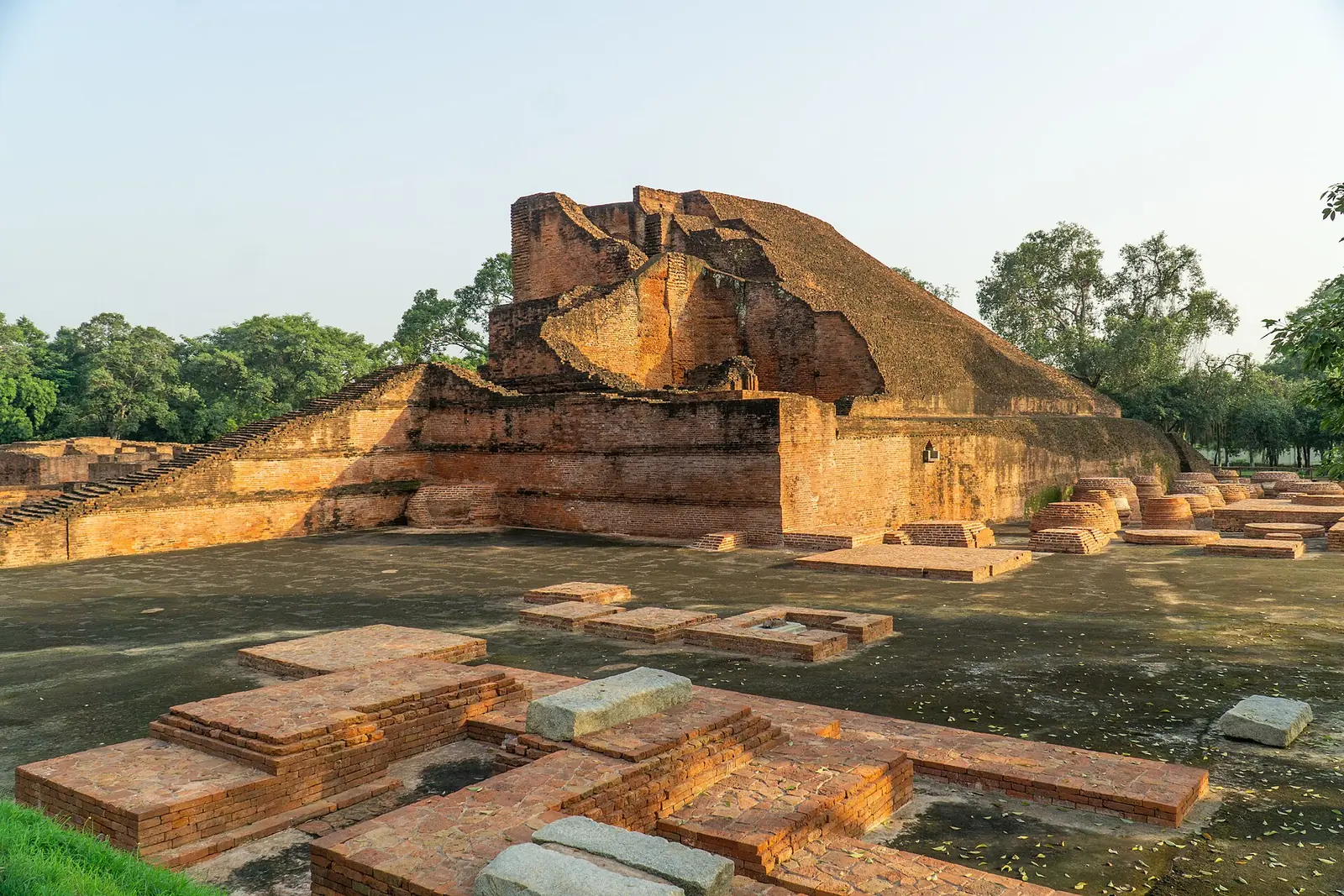
Nalanda, founded in Gupta times and endowed by later kings, including the Pala king Devapala, whose copper plate grants it villages, became the greatest monastery-university of Asia; the Chinese pilgrim Xuanzang studied there in the 7th century. Vikramashila was founded by the Pala king Dharmapala around 800, and Shantarakshita of Nalanda carried the teaching to Tibet. For a thousand years Bauddha and Hindu teachers argued: Udyotakara answered Dignaga, Kumarila answered the idealists, Shantarakshita answered Kumarila, Udayana answered Dharmakirti. Around 1193 Bakhtiyar Khalji’s raid destroyed the fortified vihara at Bihar, which the Tabaqat-i-Nasiri records, and the great monasteries of Magadha fell in the same years.
Great masters
In the texts
- Dhammacakkappavattana Sutta (first sermon)
- Mulamadhyamakakarika of Nagarjuna
- Abhidharmakosha of Vasubandhu
- Pramanavarttika of Dharmakirti; Tattvasangraha of Shantarakshita