Cite
MLA
“Shakta darshana and Tantra.” Hindu History, 2026, https://www.hinduhistory.in/darshana/shakta-tantra/. Accessed .
APA
Hindu History. (2026). Shakta darshana and Tantra. Retrieved , from https://www.hinduhistory.in/darshana/shakta-tantra/
What defines it
- 01
Devi as the supreme reality, Adi Parashakti
- 02
Shiva and Shakti inseparable
- 03
Mantra, yantra and nyasa in Tantric worship
- 04
Srikula and Kalikula
- 05
Shakti Peethas from Sati’s body
01I am the queen
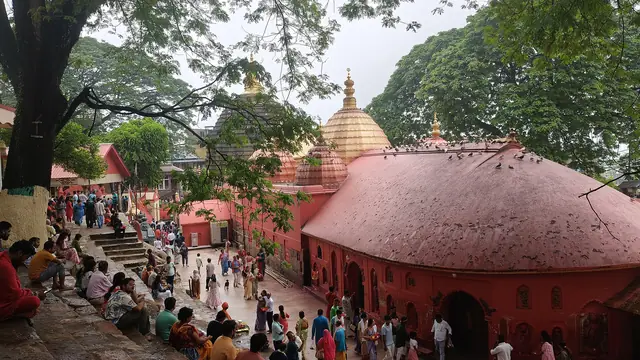
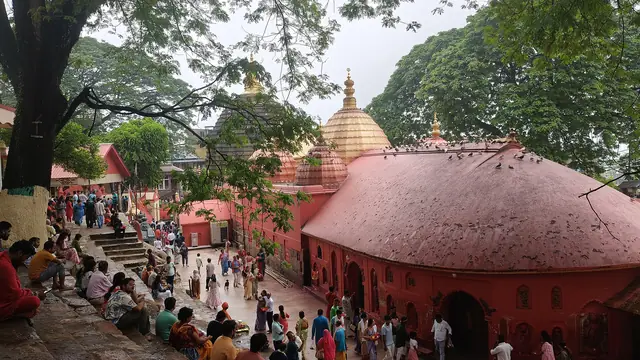
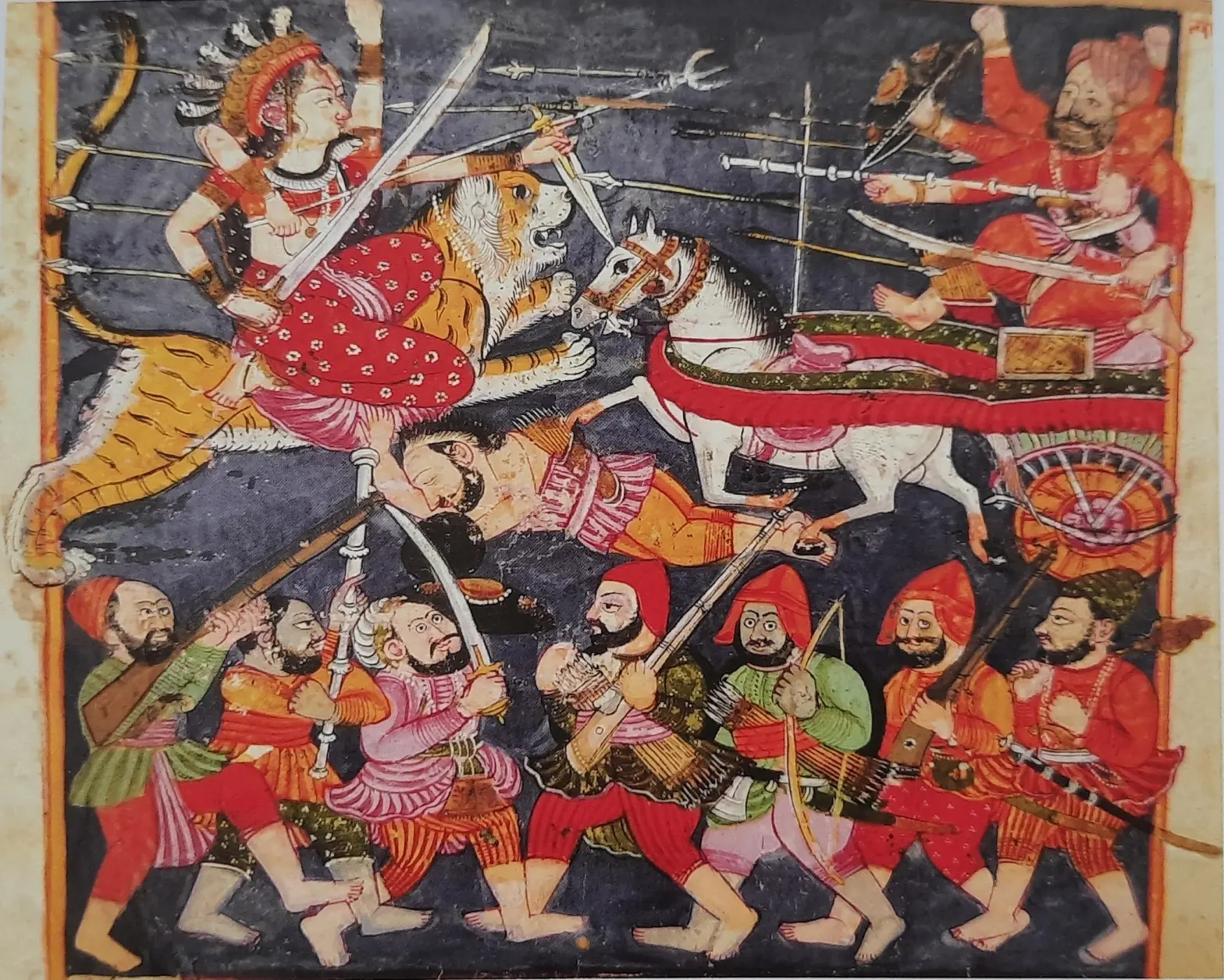
Shaktas find their teaching first in the Devi Sukta of the Rig Veda (10.125), where Vak speaks: I move with the Rudras and the Vasus, I am the queen who gathers treasures. The Devi Mahatmya, thirteen chapters of the Markandeya Purana, recited as the Durga Saptashati in seven hundred verses, tells how the Devi slew Mahishasura, Shumbha and Nishumbha, and promises that she will come again whenever adharma rises. The Devi Bhagavata Purana and the Shakta Upanishads, such as the Devi Upanishad and Tripura Upanishad, carry the theology further. Sati’s body, the Puranas say, fell in pieces across Bharat, and each place became a Shakti Peetha, from Kamakhya in Assam to Hinglaj in the west.
02Shiva and Shakti, never apart
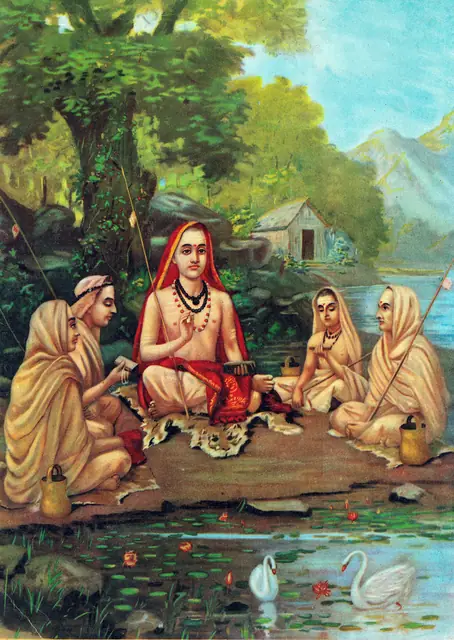
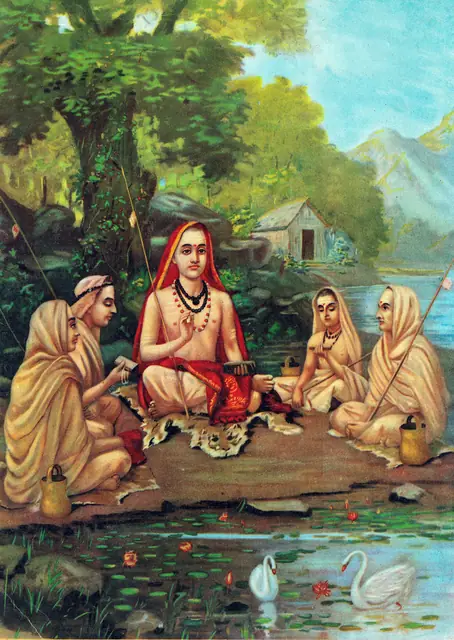
The first verse of the Saundarya Lahari, ascribed to Adi Shankaracharya, says that Shiva, joined with Shakti, is able to create; without her he cannot even stir. That is the Shakta view in one line. Consciousness and its power are one reality, and the Devi is that reality in its living, creating form. Worship follows the Tantras, in which the Devi is approached through mantra, yantra and nyasa, and the body is treated as her temple. Two broad families are named: the Srikula, centred on Lalita Tripurasundari and strongest in the south, and the Kalikula, centred on Kali, Tara and the fierce forms, strongest in the east. Navaratri, twice a year, is the great festival of both.
03Srividya and the teachers
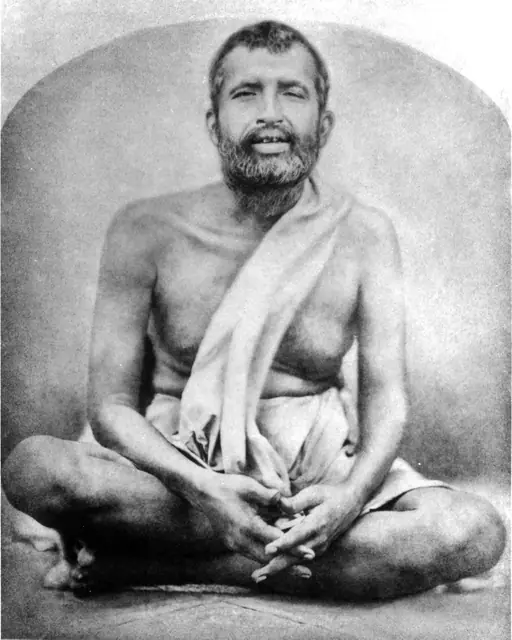
Srividya, the worship of Lalita through the Sri Chakra of nine enclosures and the fifteen-syllable Panchadashi mantra, has the most systematic literature. The Lalita Sahasranama, the thousand names taught by Hayagriva to Agastya in the Brahmanda Purana, is chanted in homes across the south. In the 18th century Bhaskararaya wrote the Saubhagya Bhaskara commentary on it and the Varivasya Rahasya. In Bengal, Krishnananda Agamavagisha compiled the Tantrasara, and the 18th-century poet Ramprasad Sen sang to Kali as a child sings to its mother. Ramakrishna Paramahamsa served Ma Bhavatarini at Dakshineswar. The Kamakshi temple at Kanchi and the Kamakhya temple at Guwahati remain among the greatest Shakta seats.
Great masters
In the texts
- Rig Veda 10.125 (Devi Sukta)
- Devi Mahatmya (Durga Saptashati), Markandeya Purana
- Lalita Sahasranama, Brahmanda Purana
- Saundarya Lahari