Cite
MLA
“Ramanandi Sampradaya.” Hindu History, 2026, https://www.hinduhistory.in/darshana/ramanandi-sampradaya/. Accessed .
APA
Hindu History. (2026). Ramanandi Sampradaya. Retrieved , from https://www.hinduhistory.in/darshana/ramanandi-sampradaya/
What defines it
- 01
Shri Rama with Sita as the supreme
- 02
The Rama mantra handed from Sita through Hanuman
- 03
Disciples of every caste in the Bhaktamal’s account
- 04
Bairagi akharas: Nirvani, Nirmohi, Digambar
- 05
Ramcharitmanas as the beloved scripture
01Ramananda at Panchganga Ghat
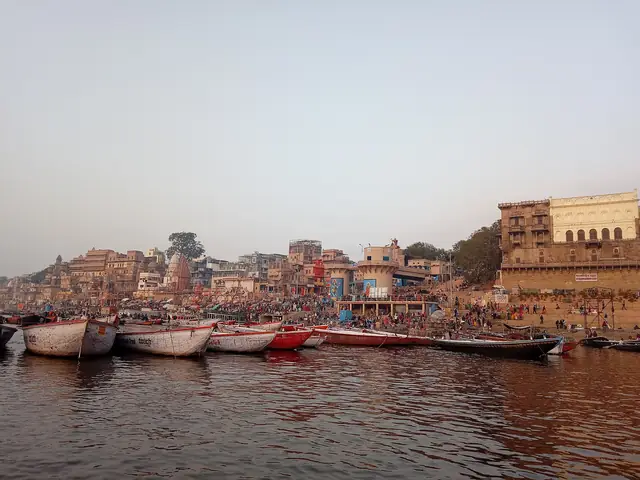
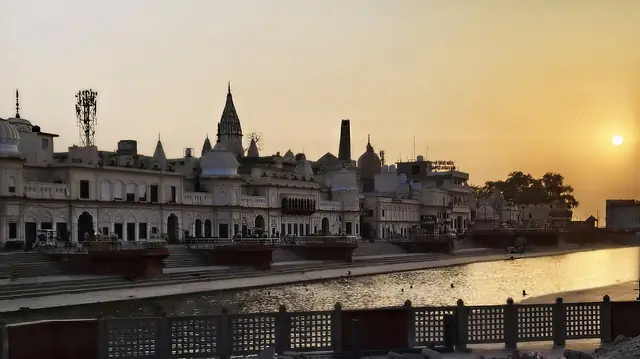
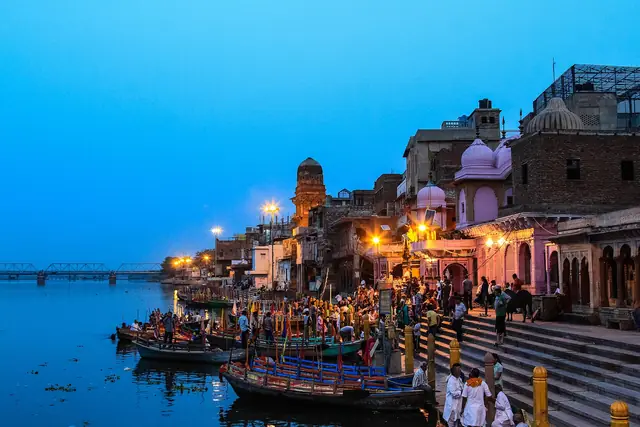
The sampradaya traces its mantra from Shri Rama to Sita, from Sita to Hanuman, and onward through a line of acharyas to Swami Ramananda, and so it also calls itself the Sri Sampradaya. Ramananda is said to have been born at Prayag and to have taught at Varanasi, where the Shri Math at Panchganga Ghat is honoured as his seat. The sampradaya’s own reckoning gives 1299 to 1410; scholars place him in the 14th or 15th century and do not agree on his exact link with Ramanuja’s line. He taught in Hindi as well as Sanskrit and made the name of Rama, with Sita, the centre of worship. The Ramarchana Paddhati and the Vaishnava Matabja Bhaskara are ascribed to him.
02Twelve disciples
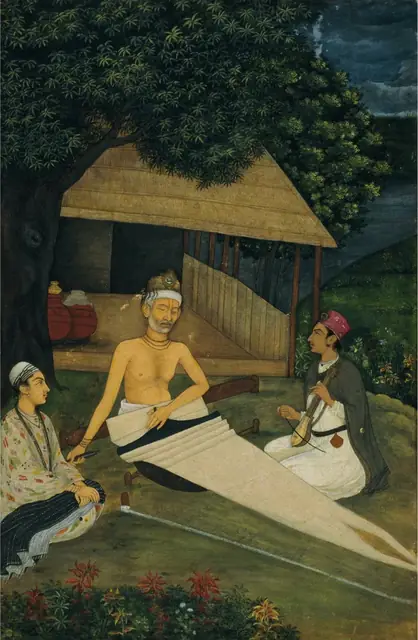
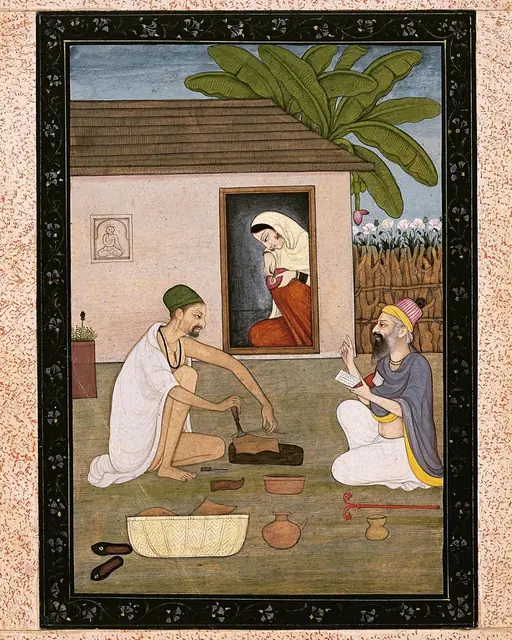
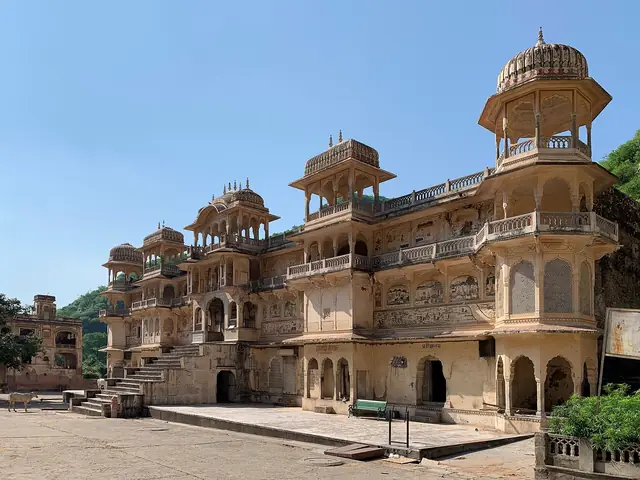
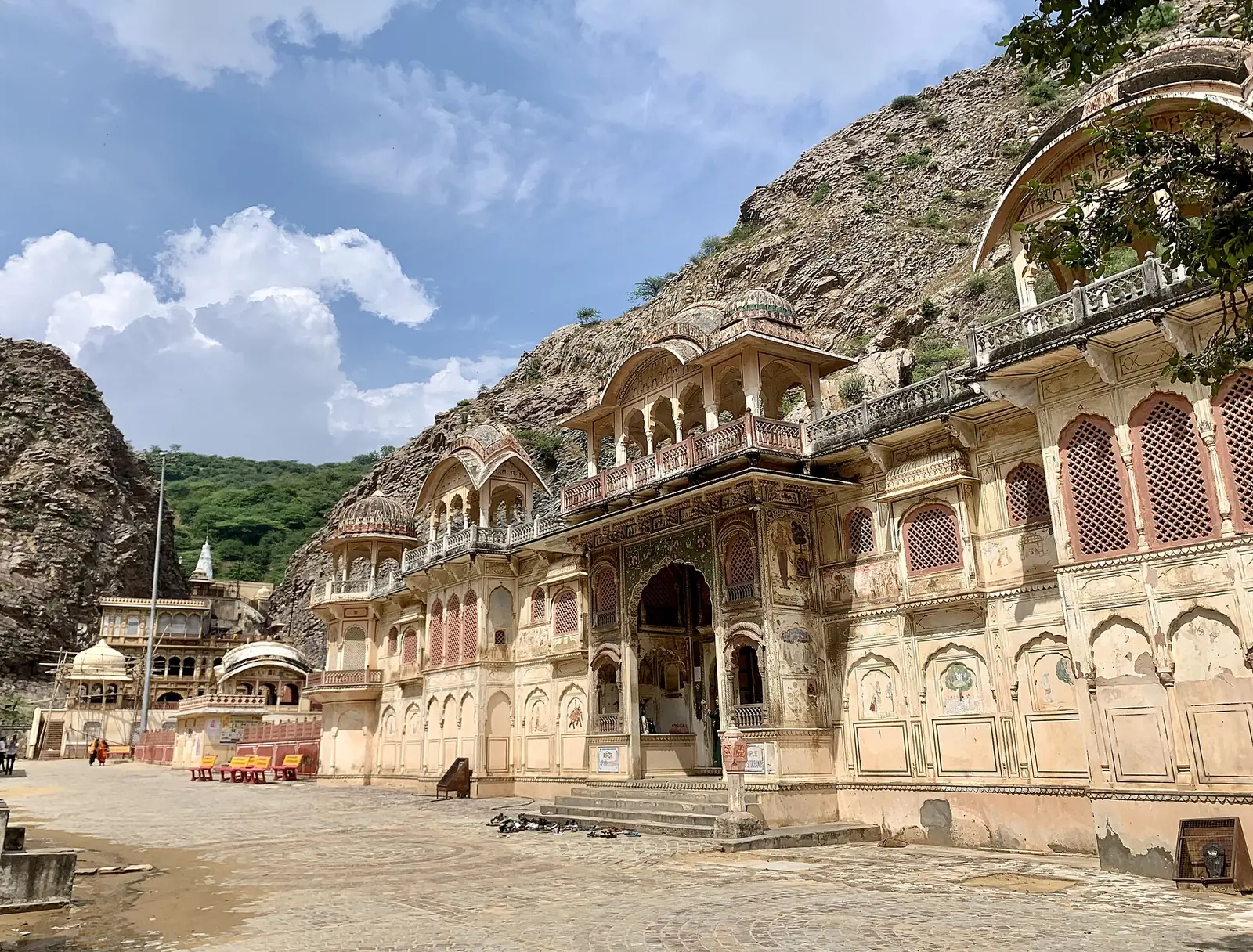
Nabhadas, himself a Ramanandi, wrote the Bhaktamal, the great Braj garland of devotees’ lives. It names twelve chief disciples of Ramananda, among them Anantananda, Sukhananda, Sursurananda, Naraharyananda, Bhavananda and Padmavati, and also Kabir the weaver, Ravidas the leatherworker, Pipa the Rajput king of Gagron, Sena the barber and Dhanna the Jat farmer. Whatever the historian makes of these links, the Bhaktamal’s picture of one guru receiving disciples of every birth and both sexes is how north Bharat remembers him. Anantananda’s disciple Krishnadas Payahari became the first mahant of the Galta gaddi near Jaipur, which became one of the order’s leading seats.
03Ayodhya, Tulsidas and the akharas
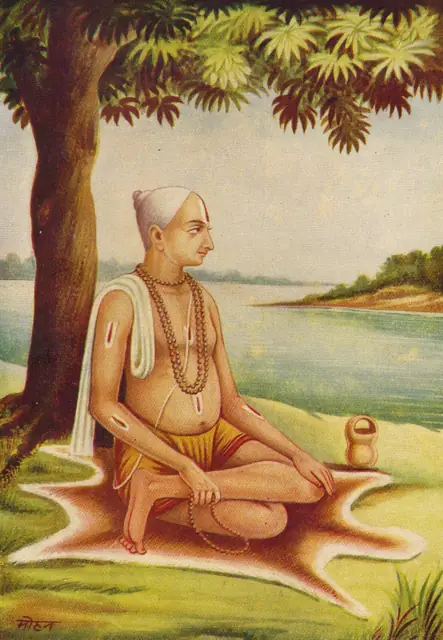
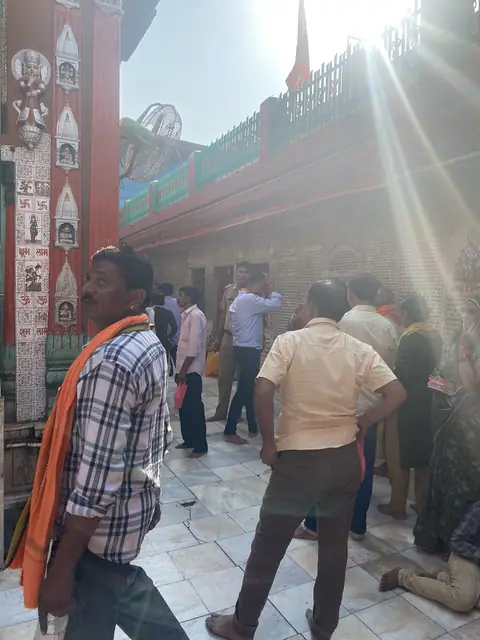
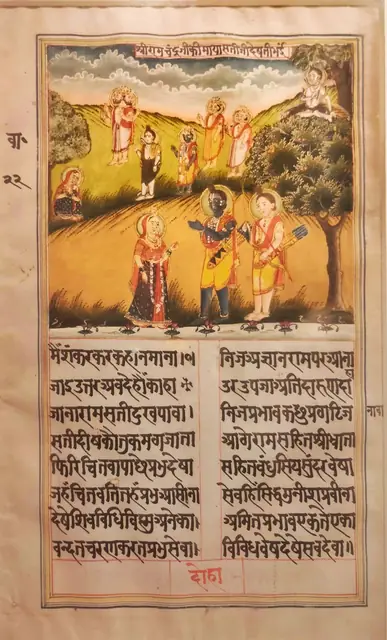
Ayodhya is the order’s heart, with Hanuman Garhi and hundreds of Ramanandi temples and ashrams. Goswami Tulsidas, who began the Ramcharitmanas at Ayodhya on Ram Navami of 1574, is honoured by the tradition as standing in its line, and his Hindi Ramayana became its most loved scripture. In the early 18th century, when sadhus were being attacked at fairs and tirthas, the Ramanandi acharya Balananda and Vaishnavas of all four sampradayas met at Galta under the patronage of Sawai Jai Singh and organised the Vaishnava akharas; the Ramanandi bairagi akharas, the Nirvani, Nirmohi and Digambar, still march at the Kumbh. Ramanandis wear the upright red and white tilak and greet each other with “Sita Ram”.
Great masters
In the texts
- Ramarchana Paddhati and Vaishnava Matabja Bhaskara (ascribed)
- Bhaktamal of Nabhadas
- Ramcharitmanas of Tulsidas