Cite
MLA
“Sri Vaishnava Sampradaya.” Hindu History, 2026, https://www.hinduhistory.in/darshana/sri-vaishnava-sampradaya/. Accessed .
APA
Hindu History. (2026). Sri Vaishnava Sampradaya. Retrieved , from https://www.hinduhistory.in/darshana/sri-vaishnava-sampradaya/
What defines it
- 01
Ubhaya Vedanta: Sanskrit and Tamil scripture together
- 02
Shri as purushakara, the one who intercedes
- 03
Prapatti: surrender to Shriman Narayana
- 04
Pancha samskara initiation
- 05
108 Divya Desams
01Four thousand verses recovered
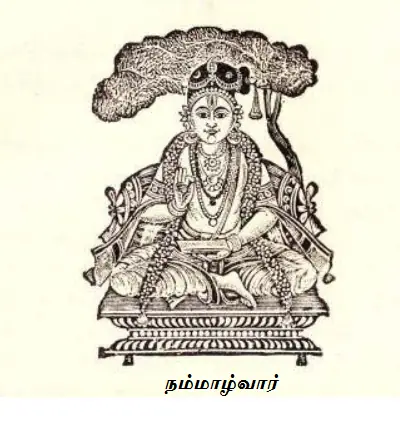
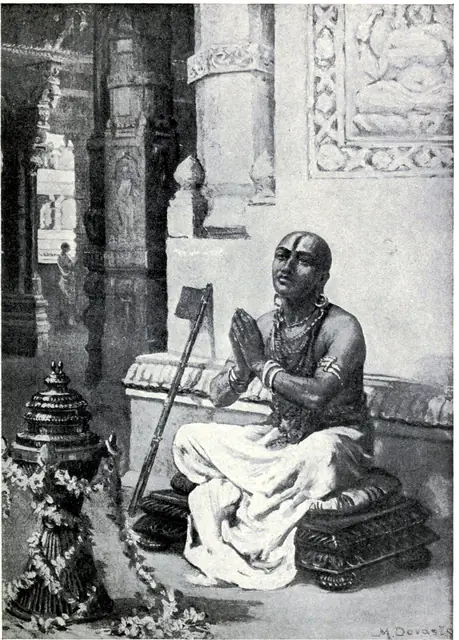
Twelve Alvars, the saints immersed in Vishnu, sang in Tamil before the 10th century; among them are Nammalvar, whose Tiruvaymoli the tradition calls the Tamil Veda, and Andal, the only woman, whose Tiruppavai is sung every morning of the month of Margazhi. The guruparampara tells how Nathamuni heard ten verses of Nammalvar sung at Kattumannarkoil, went to Nammalvar’s birthplace, and through deep meditation received all four thousand verses, the Nalayira Divya Prabandham. He set them to music and taught them to his nephews, beginning the araiyar tradition of singing them in the temples. His grandson Yamunacharya of Srirangam joined this Tamil heritage to Vedanta and the Pancharatra, and Ramanuja completed the work.
02Ubhaya Vedanta and the Divya Desams
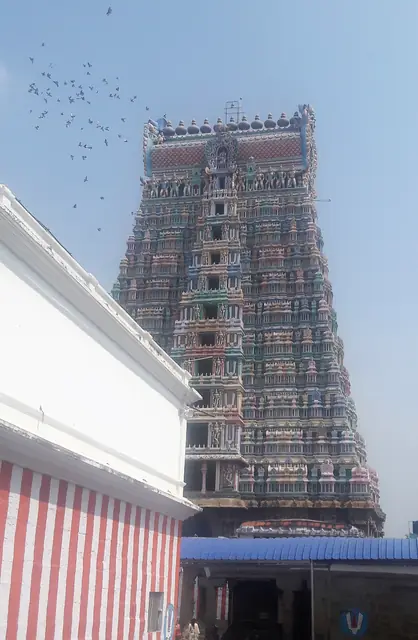
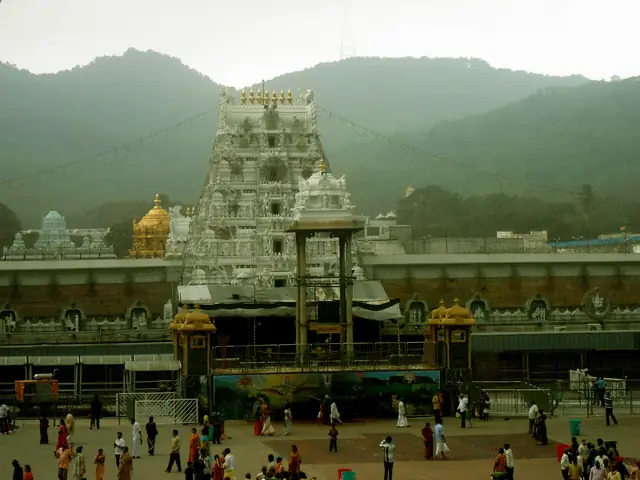
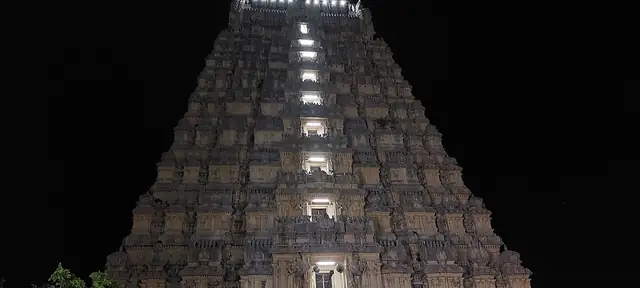
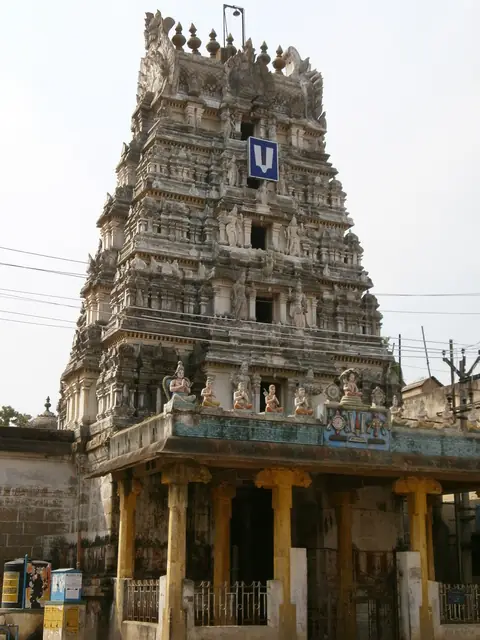
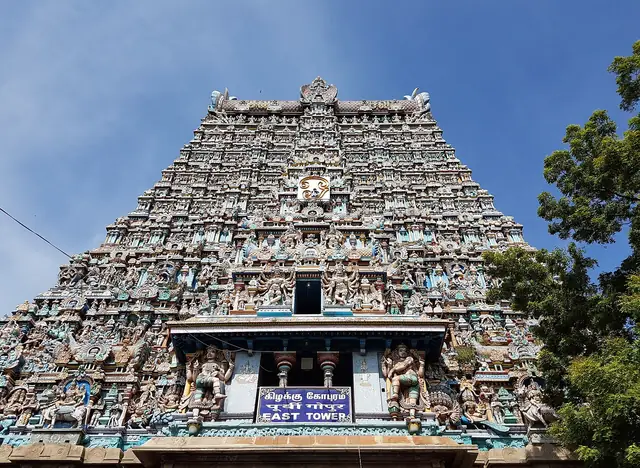
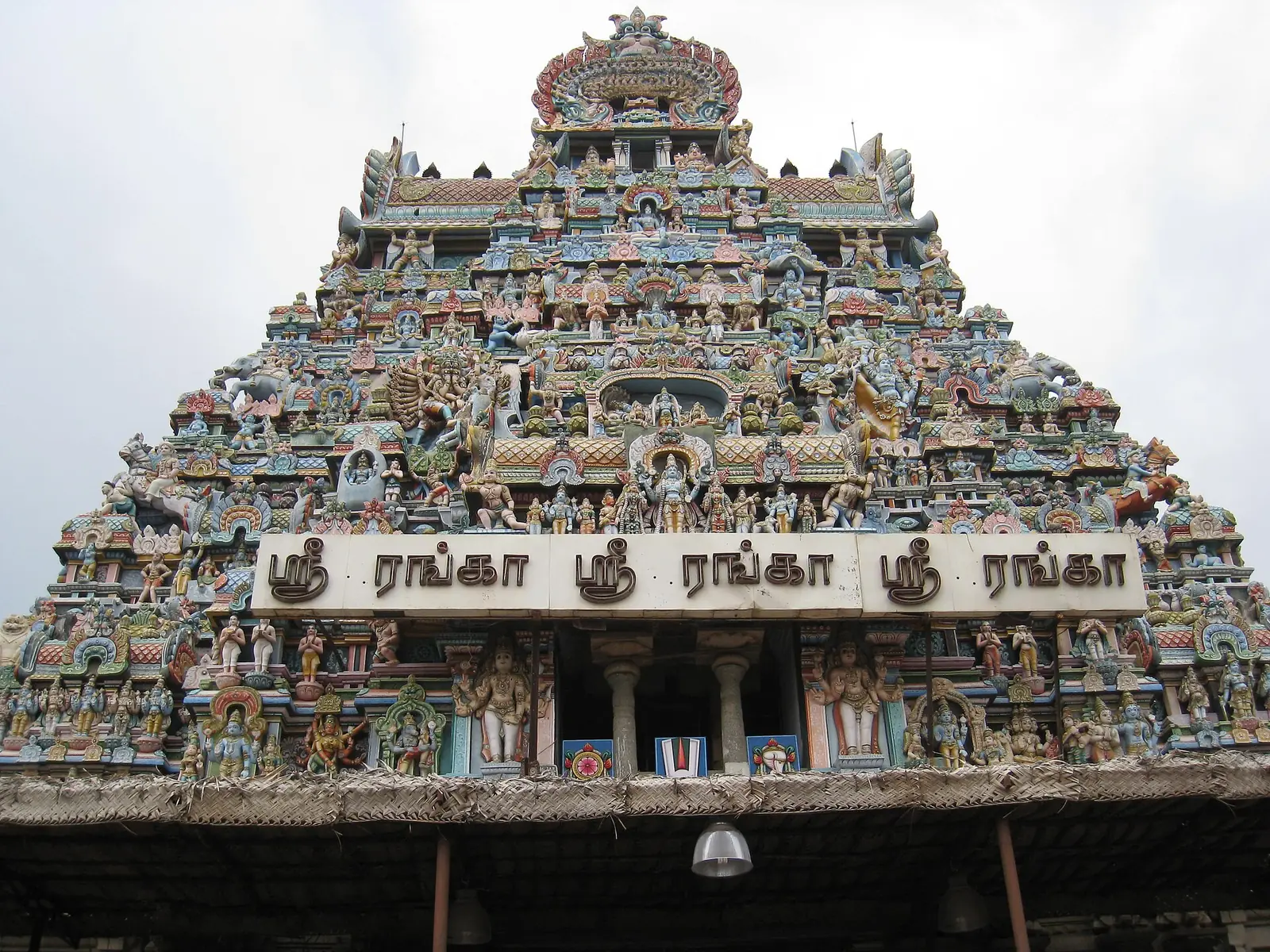
The sampradaya calls its teaching Ubhaya Vedanta, the Vedanta of both languages: the Sanskrit Upanishads and the Tamil Prabandham are given equal honour. Its name comes from Shri, Lakshmi, who is never apart from Narayana and who intercedes for the soul; that role is called purushakara. A Sri Vaishnava is received into the tradition through the pancha samskara: the shankha and chakra marks on the shoulders, the urdhva pundra on the forehead, a dasya name, the mantras, and instruction in worship. The 108 Divya Desams, the temples praised by the Alvars, run from Srirangam and Kanchipuram to Tirumala, Ayodhya and Badrinath, and two lie beyond the earth, in Kshirasagara and Vaikuntha.
03Vadakalai and Tenkalai
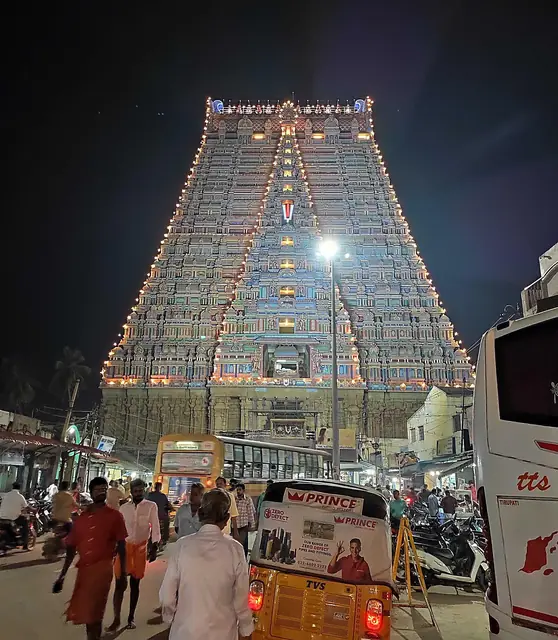
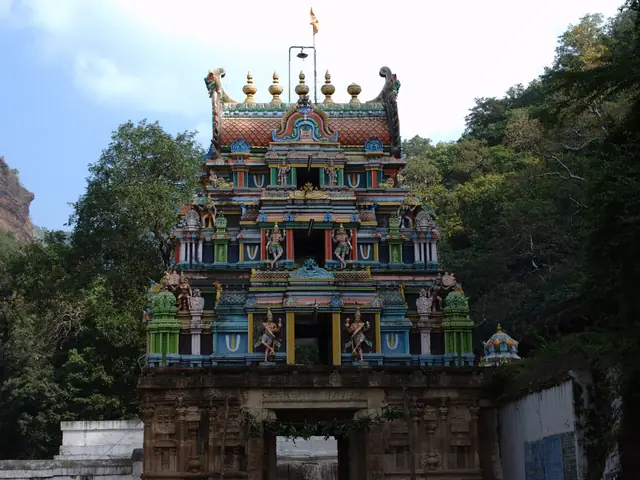
After Ramanuja the tradition grew two schools. The Vadakalai, the northern school, follows Vedanta Desika (1268–1369) of Kanchi and stresses the Sanskrit sources; the Tenkalai, the southern school, follows Pillai Lokacharya and Manavala Mamunigal of Srirangam and stresses the Tamil. They differ on how grace works: later writers put it as the baby monkey that clings to its mother against the kitten that its mother simply carries. Both wear the urdhva pundra, the Vadakalai with a U-shaped base and the Tenkalai with a line down the nose. The Ahobila Matha is a major Vadakalai seat. Both schools keep Srirangam, where Ramanuja’s tirumeni is venerated, as the first of temples.
Family tree
Great masters
In the texts
- Nalayira Divya Prabandham
- Tiruvaymoli of Nammalvar; Tiruppavai of Andal
- Sri Bhashya and the Gadya Traya
- Rahasya Traya Sara of Vedanta Desika