Cite
MLA
“Pushtimarg.” Hindu History, 2026, https://www.hinduhistory.in/darshana/pushtimarg/. Accessed .
APA
Hindu History. (2026). Pushtimarg. Retrieved , from https://www.hinduhistory.in/darshana/pushtimarg/
What defines it
- 01
Brahmasambandha initiation
- 02
Seva of Shrinathji as a living child
- 03
Eight daily darshans
- 04
Ashtachhap poets and haveli sangeet
- 05
Seven Houses of Vallabha’s descendants
01The mantra at Gokul
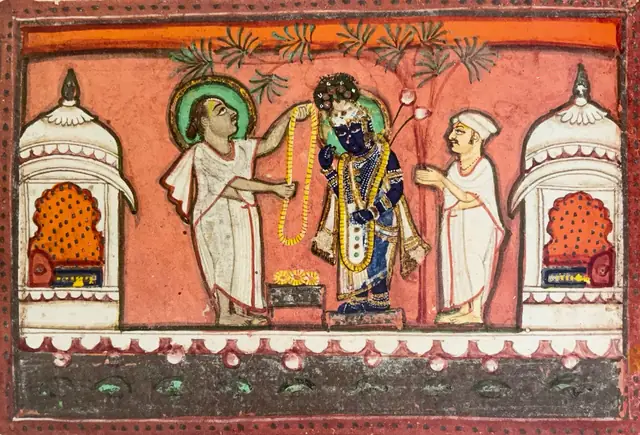
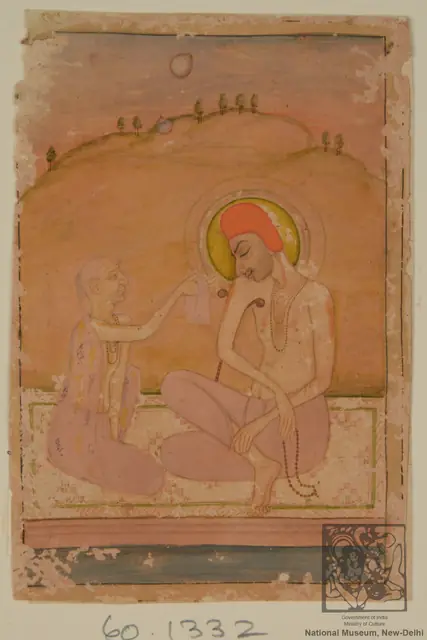
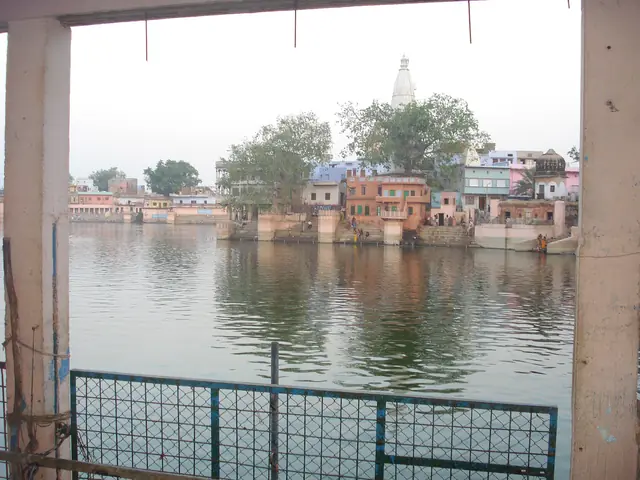
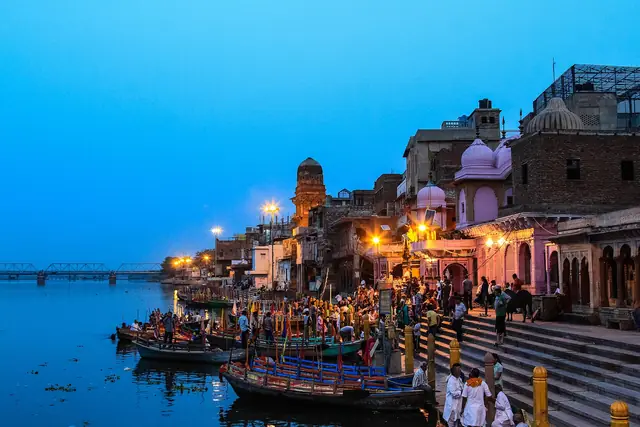
In 1494, the sampradaya relates, Shri Krishna appeared to Vallabhacharya at Gokul at night and gave him the Brahmasambandha mantra, by which a soul is dedicated to Krishna and its faults are removed. The next morning Vallabha gave it to Damodardas Harsani, the first member of the Pushtimarg. At Govardhan he recognised the deity worshipped there as Shri Nathji, the svarupa of Krishna holding up the hill, and began formal seva. After Vallabha, his son Vitthalanatha, called Gusainji, shaped the rich daily seva and divided the chief svarupas among his seven sons, the origin of the Seven Houses. Initiation through Brahmasambandha is still given only by Vallabha’s descendants.
02From Govardhan to Nathdwara
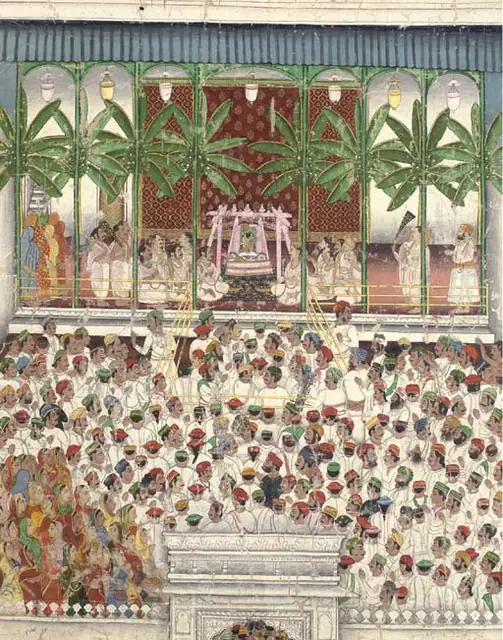
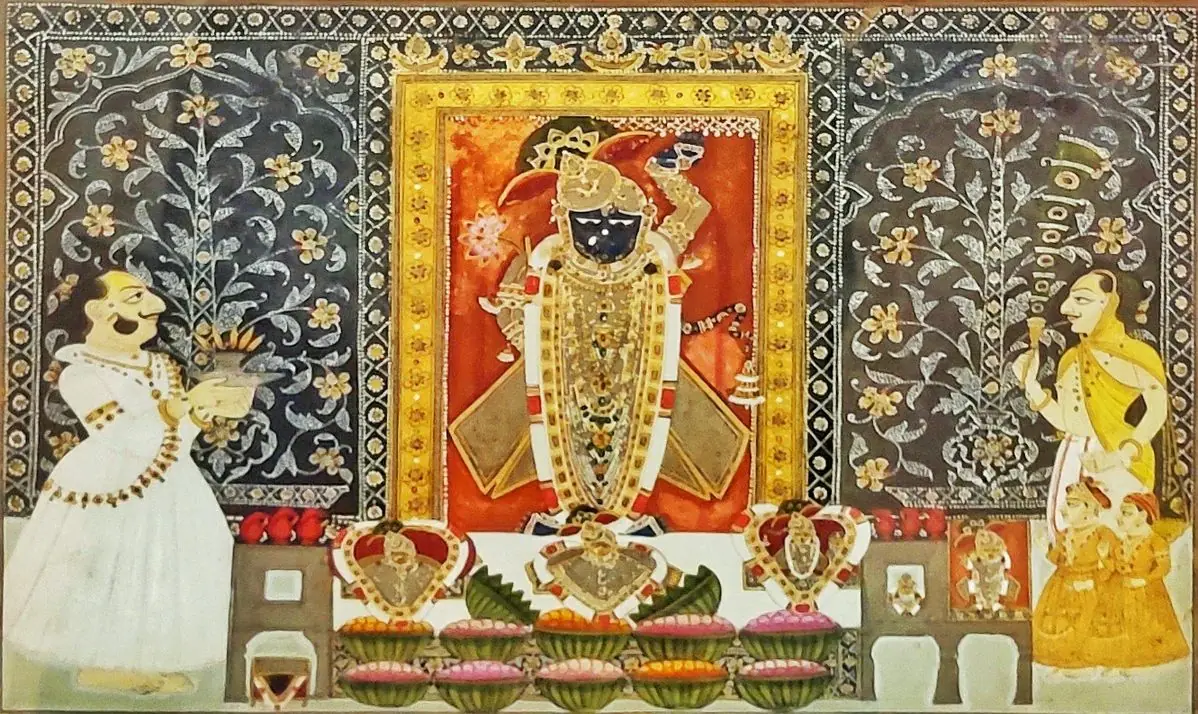
In the reign of Aurangzeb the temples of Braj were under threat, and in 1669 the sevaks took Shrinathji away from Govardhan on a chariot. After years on the road, the tradition says, the chariot’s wheels sank into the earth at the village of Sihad in Mewar, which the sevaks took as the deity’s wish to stay. Maharana Raj Singh of Mewar gave shelter, and in 1672 Shrinathji was installed in the haveli that grew into the town of Nathdwara. The temple is still a haveli, a house, not a shikhara temple, because Krishna lives there as the son of Nanda. The eldest line of Vallabha’s descendants, the Tilkayat, serves as its head.
03Eight darshans, eight poets
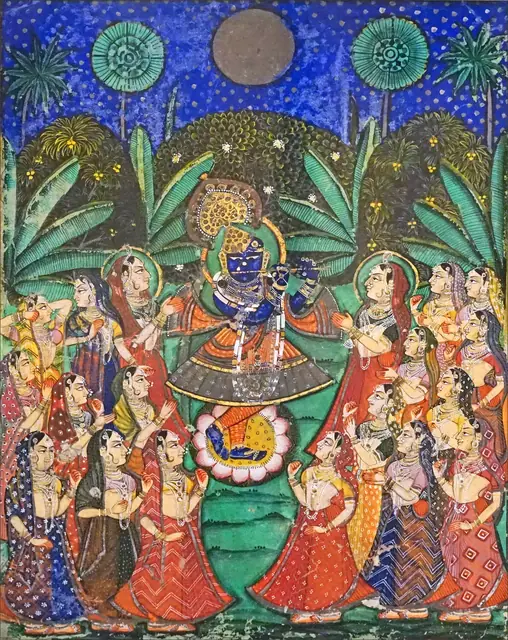
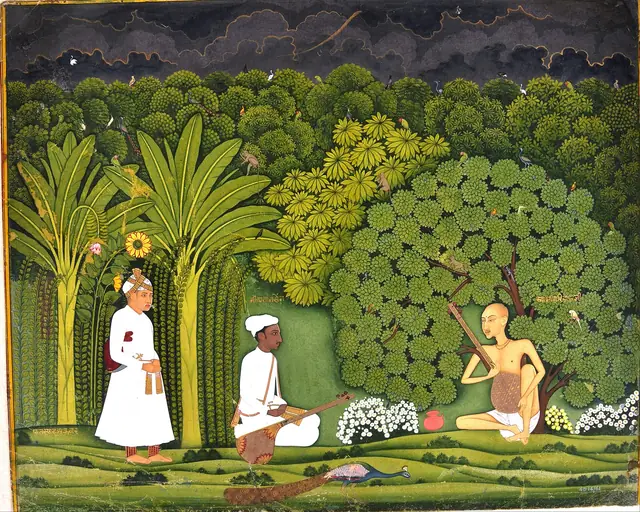
Seva follows the day of a child in Braj. Eight darshans open each day: mangala at dawn, shringar, gval when he goes with the cows, rajbhog at noon, utthapan after his rest, bhog, sandhya arti, and shayan at night. Each has its own clothes, food and songs, changing with the season. The songs come above all from the Ashtachhap, eight poets of Braj Bhasha: Surdas, Paramanandadas, Kumbhandas and Krishnadas, disciples of Vallabha, and Nanddas, Chaturbhujdas, Govindswami and Chhitswami, disciples of Vitthalanatha. Haveli sangeet, the pichhvai paintings hung behind the deity, and the Annakut feast after Diwali grew from this seva. The Chaurasi Vaishnavan ki Varta tells the lives of the first eighty-four devotees.
Family tree
Great masters
In the texts
- Shodasha Granthas of Vallabha
- Chaurasi Vaishnavan ki Varta
- Do Sau Bavan Vaishnavan ki Varta