Cite
MLA
“Nath Sampradaya.” Hindu History, 2026, https://www.hinduhistory.in/darshana/nath-sampradaya/. Accessed .
APA
Hindu History. (2026). Nath Sampradaya. Retrieved , from https://www.hinduhistory.in/darshana/nath-sampradaya/
What defines it
- 01
Adinath Shiva as the first guru
- 02
Hatha Yoga: asana, pranayama, mudra, bandha, nada
- 03
Kundalini and the siddha body
- 04
Kanphata earrings, dhuni and nada
- 05
Nine Naths, lists varying by region
01Adinath, Matsyendra, Gorakh
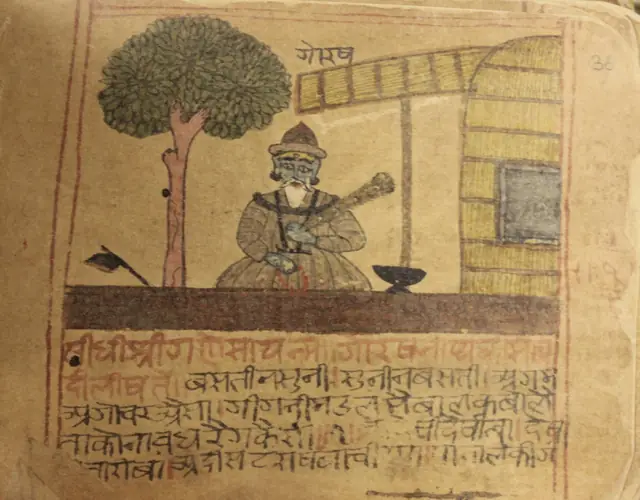
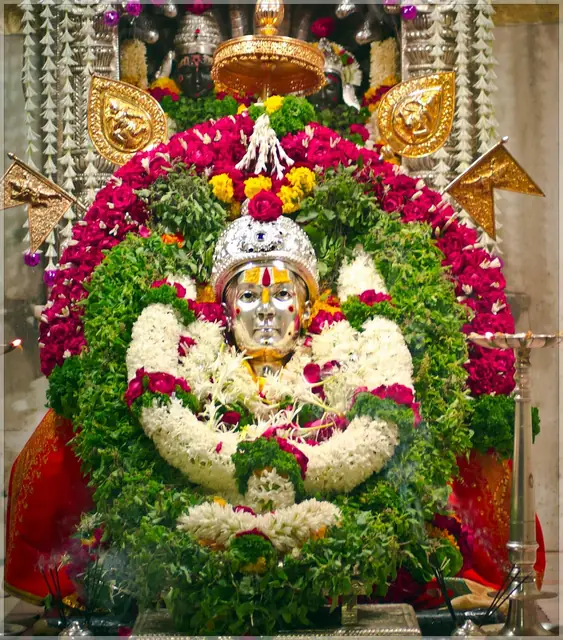
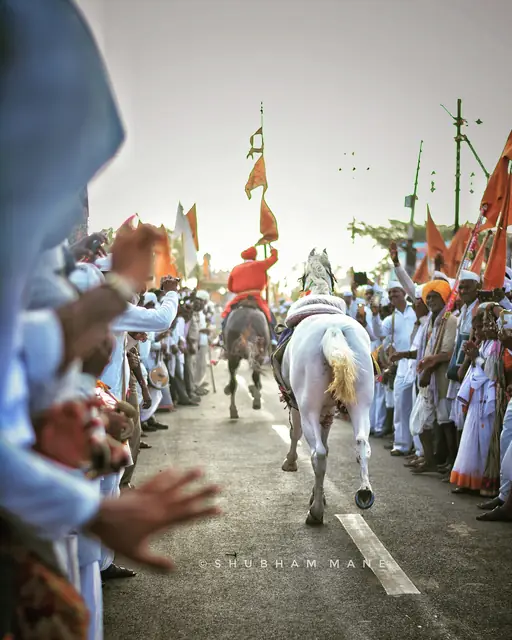
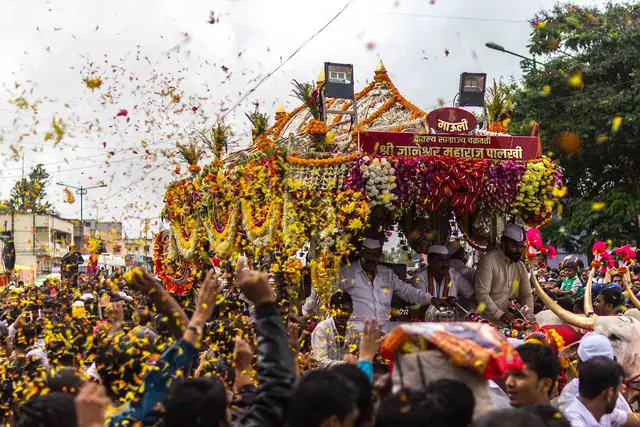
The Naths say their teaching began with Adinath, Bhagwan Shiva, and passed to Matsyendranath, who in the katha overheard Shiva teaching Parvati while he was inside a fish. His disciple Gorakhnath organised the order and is its chief teacher; lists of the Nine Naths vary from region to region. Scholars place Matsyendra and Gorakh somewhere between the 9th and 13th centuries. In Nepal Matsyendranath is worshipped in Patan as Rato Machhindranath, whose chariot festival is among the biggest in the valley, and the town of Gorkha takes its name from Gorakhnath. In Maharashtra the Nath line passed through Gahininath to Nivrittinath and his brother Jnaneshwar, linking the yogis to the Varkari sants.
02Hatha Yoga and the perfected body
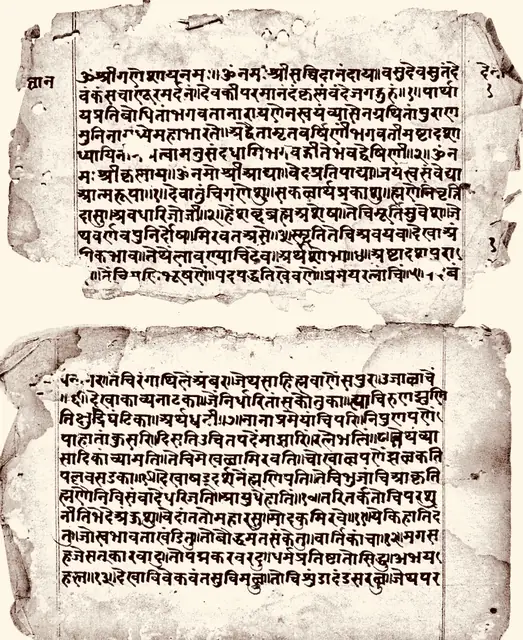
The Naths aim at the body made perfect, siddha, and the yogi’s union with Shiva while alive. Their method is Hatha Yoga: asana, pranayama, mudras and bandhas, the raising of kundalini through the chakras, and the inner sound, nada. Works ascribed to Gorakhnath, such as the Goraksha Shataka and the Siddha Siddhanta Paddhati, describe the subtle body. In the 15th century Svatmarama’s Hatha Yoga Pradipika opened with a salute to Adinath and listed Matsyendra, Gorakh and other Nath siddhas as the masters of the art; it is still the standard handbook. The Naths also left early poetry in Hindi and Punjabi, the sabadis attributed to Gorakhnath, and the songs of Bhartrihari and Gopichand sung by wandering jogis.
03Earrings, dhuni and the Gorakhpur math
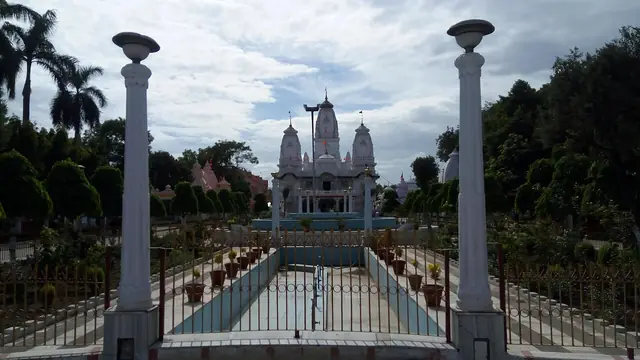
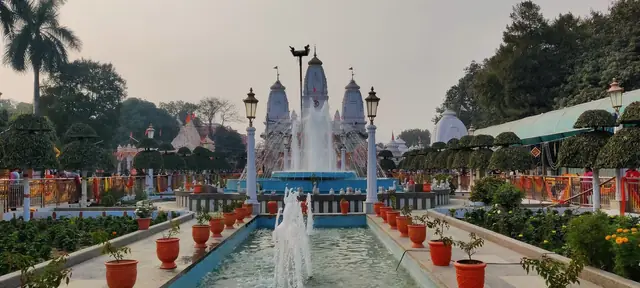
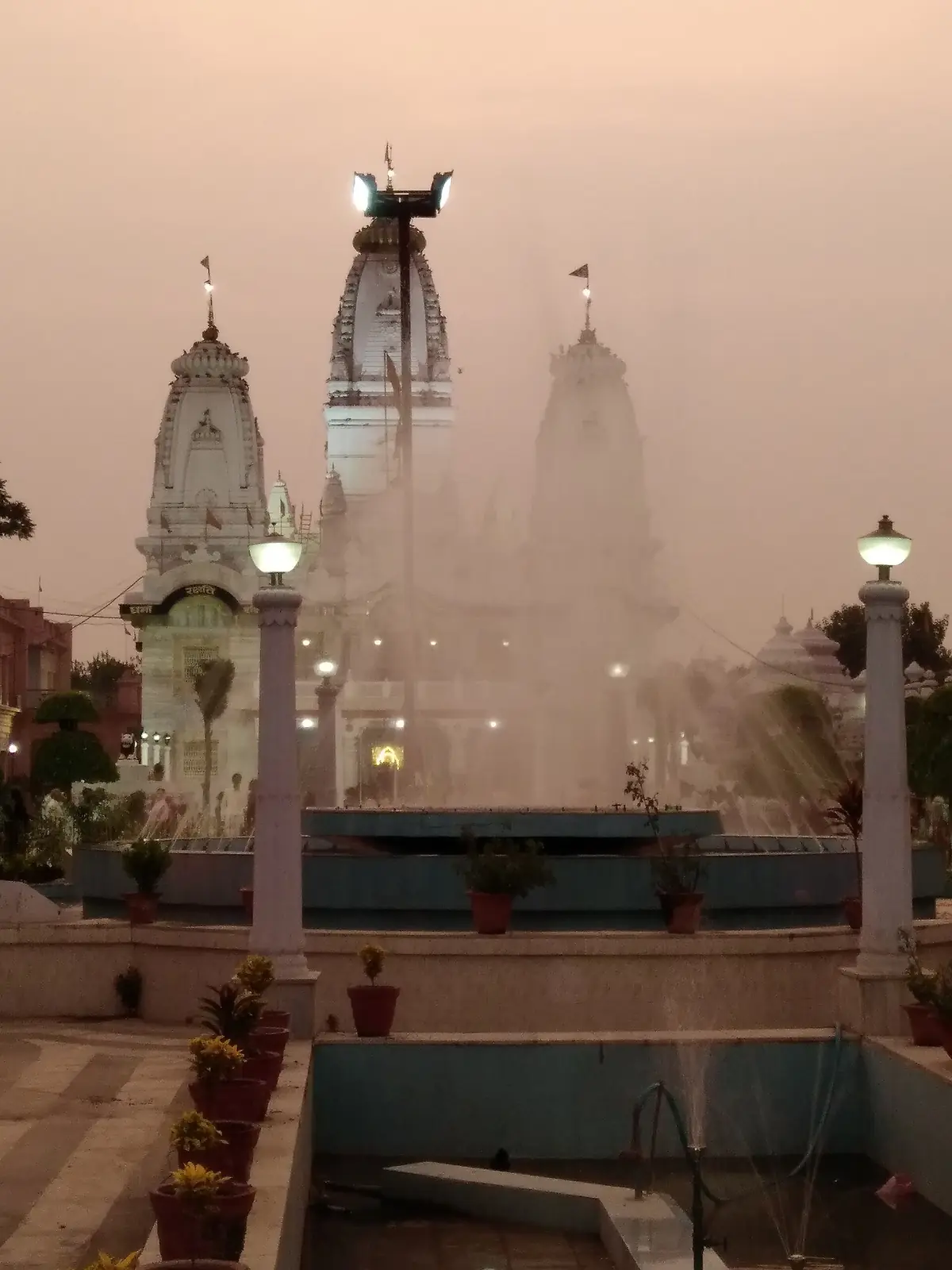
A Nath yogi is often called kanphata, split-eared, because at full initiation the ears are pierced through the cartilage for large rings, the mudras or kundals. He keeps a dhuni, a sacred fire, and wears the nada, a small horn whistle, on a black thread. “Alakh Niranjan” is the greeting. The order has both monastic yogis and a large householder community. Its best-known seat is the Gorakhnath Math at Gorakhpur, where the mahants keep the samadhi shrine of Gorakhnath and the Makar Sankranti Khichdi mela draws huge crowds. Other old Nath centres include Kadri in Mangaluru and Dhinodhar in Kachchh. Like the Dashanamis, Nath yogis once formed armed bands to protect pilgrims.
Great masters
In the texts
- Goraksha Shataka
- Siddha Siddhanta Paddhati
- Hatha Yoga Pradipika of Svatmarama
- Gorakh Bani (sabadis)