Cite
MLA
“Advaita Vedanta.” Hindu History, 2026, https://www.hinduhistory.in/darshana/advaita-vedanta/. Accessed .
APA
Hindu History. (2026). Advaita Vedanta. Retrieved , from https://www.hinduhistory.in/darshana/advaita-vedanta/
What defines it
- 01
Brahman alone is real; the world is mithya
- 02
Jiva and Brahman are not two
- 03
Adhyasa: the rope taken for a snake
- 04
Two levels: vyavaharika and paramarthika
- 05
Four mahavakyas, one from each Veda
01From Gaudapada to Shankara
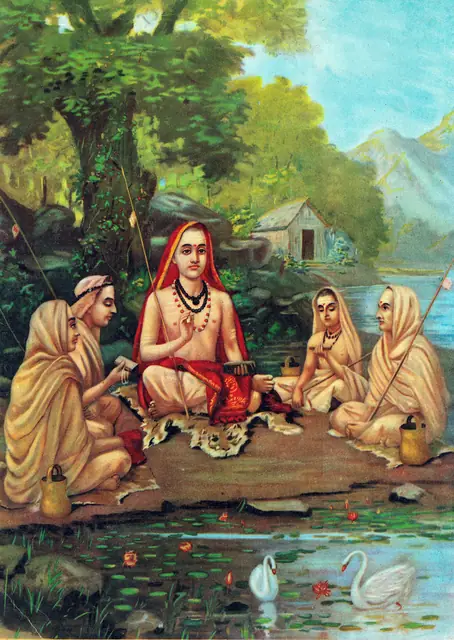
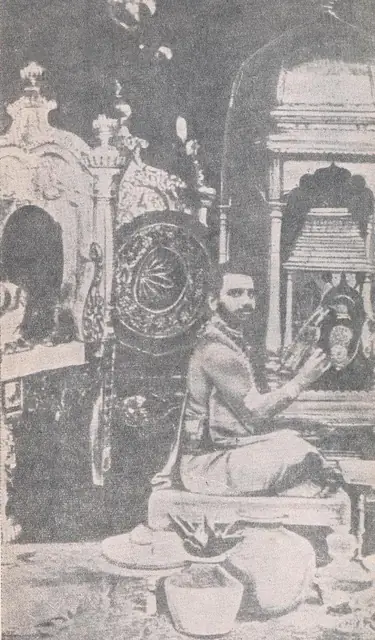
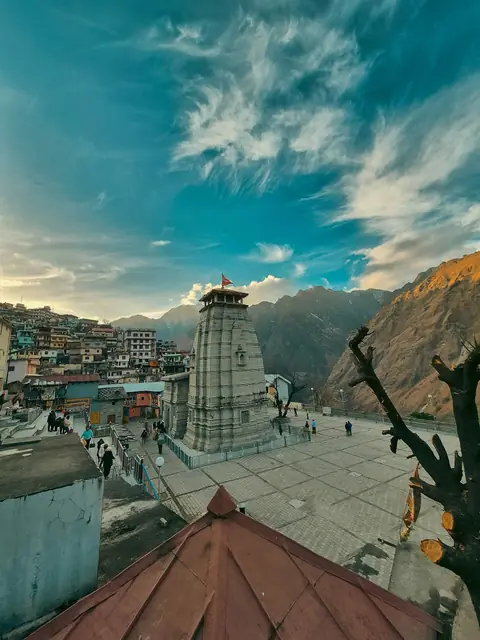
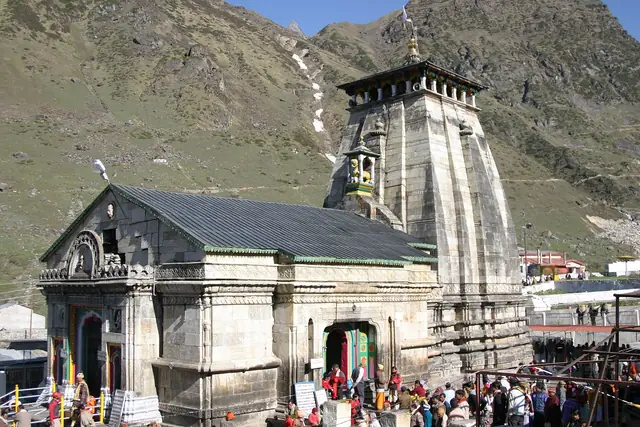
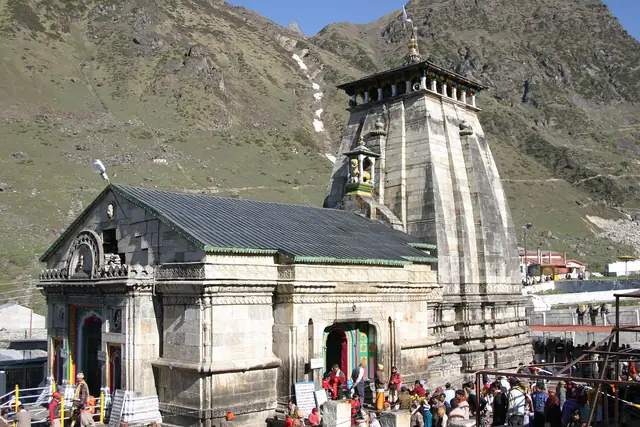
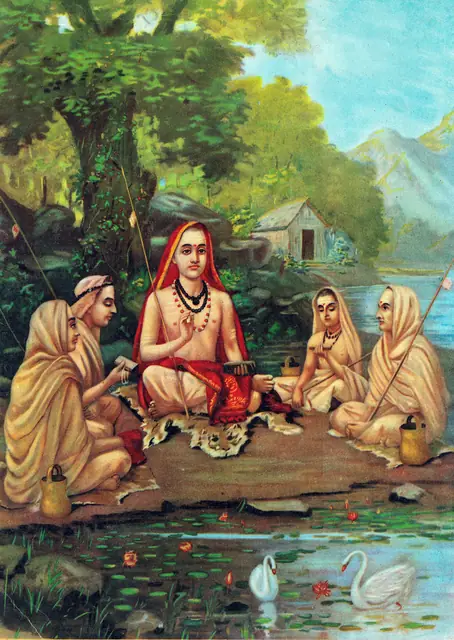
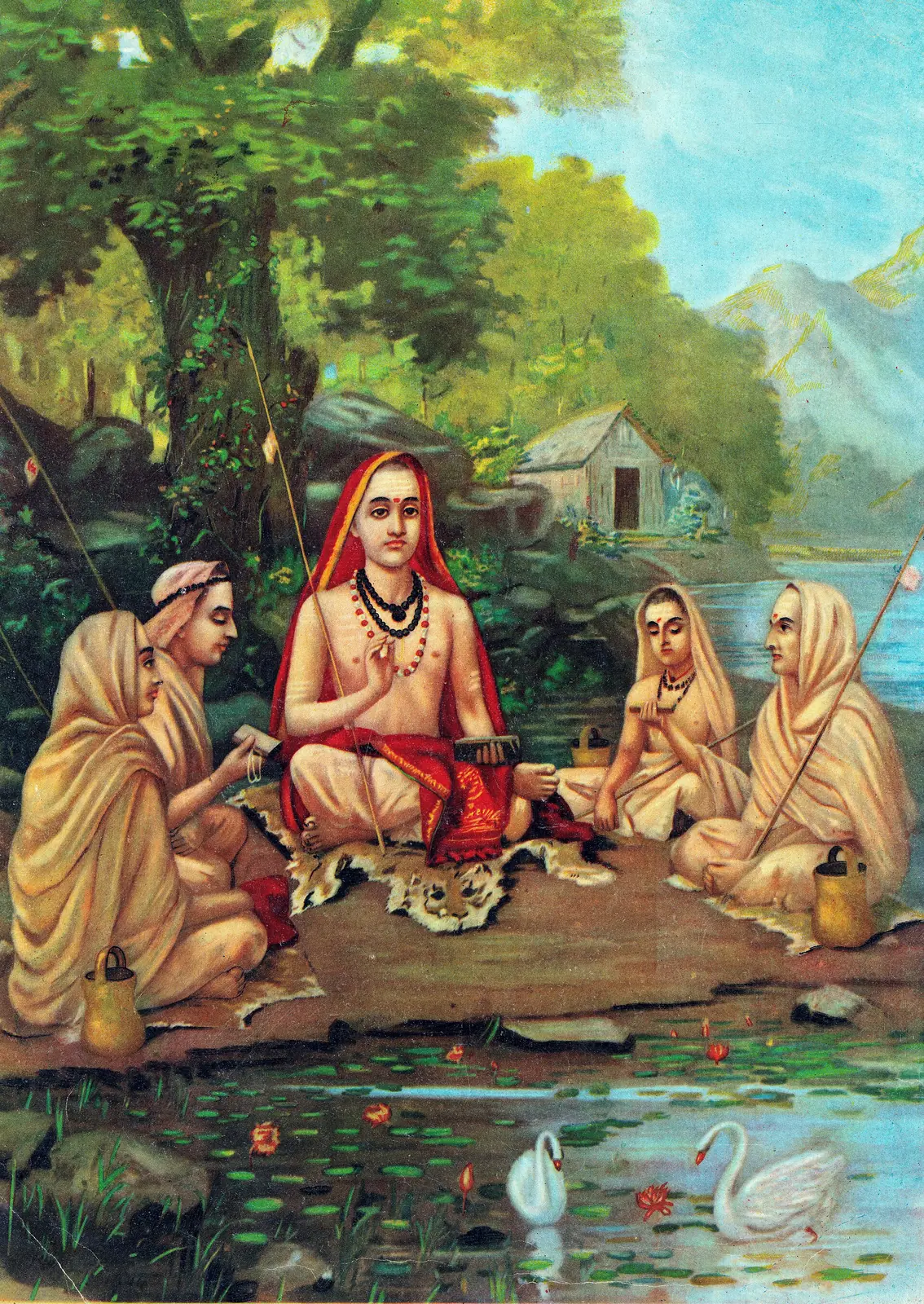
The lineage runs from Gaudapada, whose Karika on the Mandukya Upanishad is the earliest Advaita treatise, to his disciple Govinda Bhagavatpada, and from him to Shankara. Shankara was born at Kalady on the Purna river in Kerala, took sannyasa as a boy, and found his guru on the bank of the Narmada. He wrote bhashyas on the Brahma Sutra, the Gita and the principal Upanishads, travelled the length of Bharat debating, and left the body at a young age; a widely held tradition marks his samadhi at Kedarnath. The Amnaya Mathas place him in 509–477 BCE; another reckoning used by many scholars is 788–820 CE. Both are recorded here.
02The rope and the snake
Shankara opens his Brahma Sutra Bhashya with adhyasa, superimposition: we lay the qualities of the body and mind on the self, and the self’s consciousness on the body, as a man at dusk sees a snake where there is only a rope. The world is mithya: it appears and is used, but has no being apart from Brahman. Truth is spoken of at two levels, vyavaharika, the working world where duty, worship and the Vedas all apply, and paramarthika, the highest, where Brahman alone is. The four mahavakyas carry the teaching: prajnanam brahma (Aitareya 3.3), aham brahmasmi (Brihadaranyaka 1.4.10), tat tvam asi (Chandogya 6.8.7) and ayam atma brahma (Mandukya 2). Liberation is knowledge, not something produced; the rope was never a snake.
03After Shankara
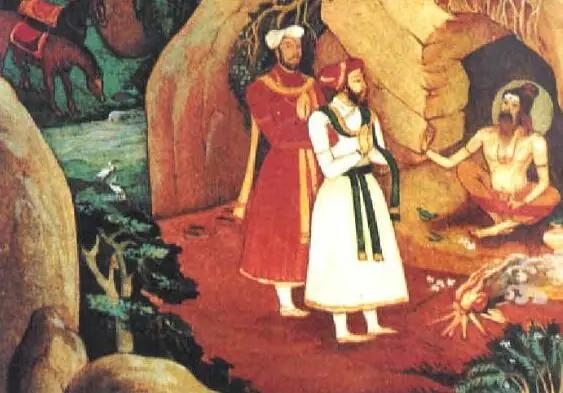
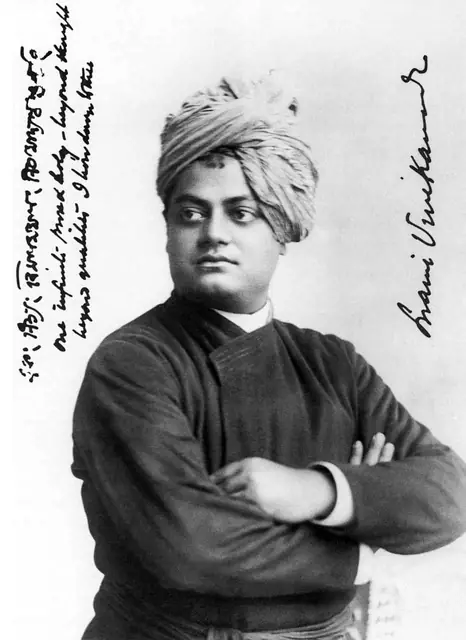
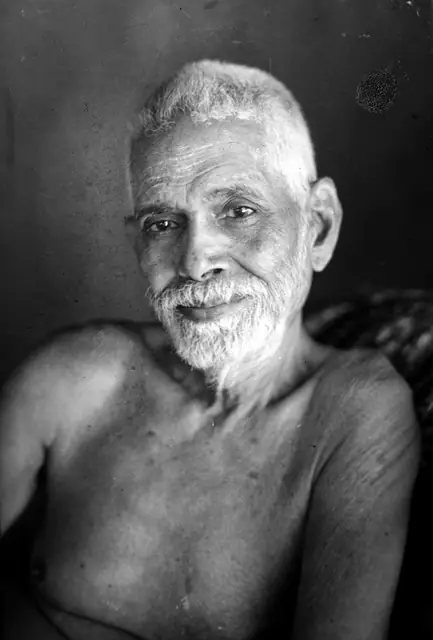
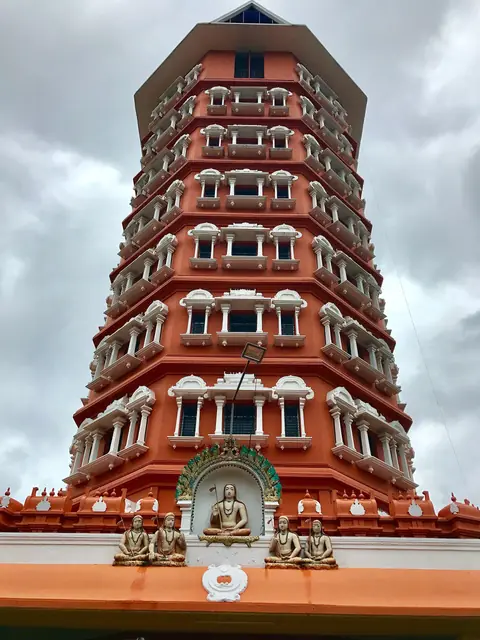
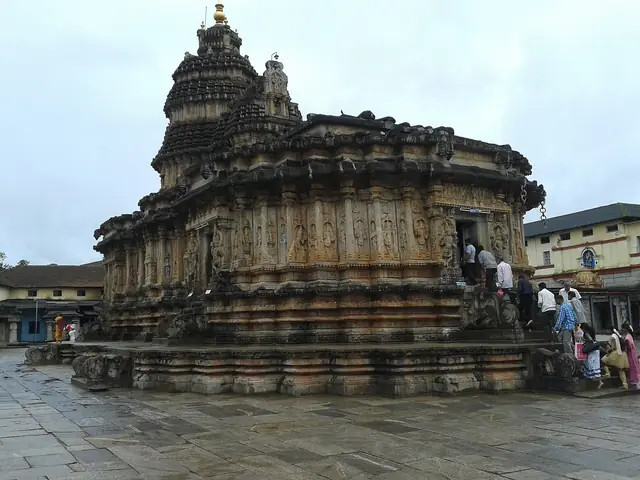
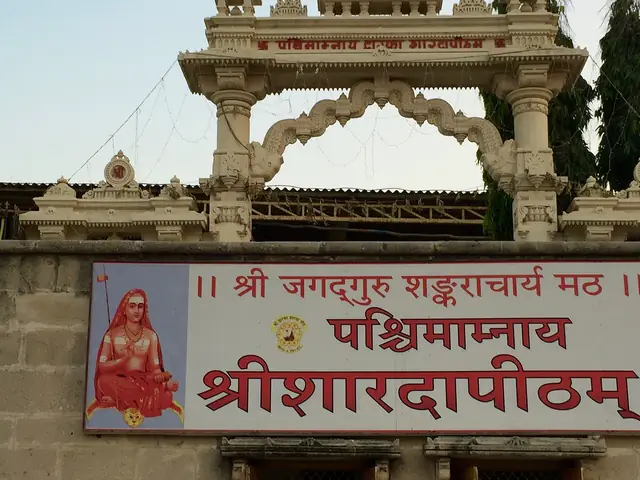
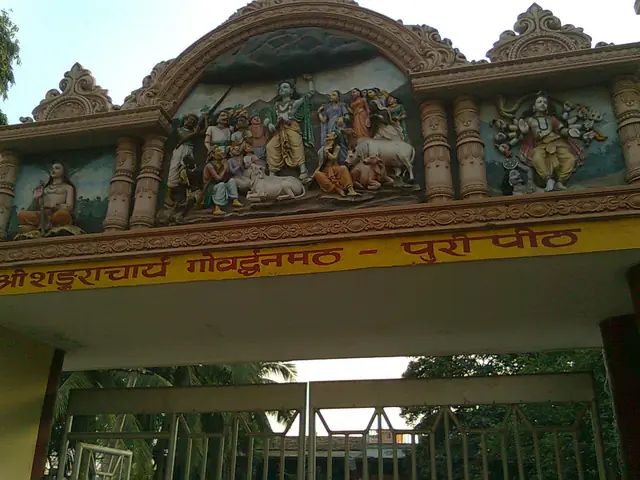
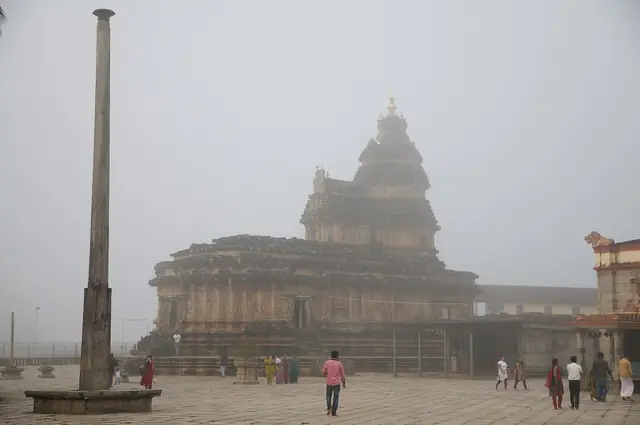
Shankara’s disciples carried the work on: Sureshvara wrote the Naishkarmya Siddhi and Varttikas on the bhashyas, and Padmapada the Panchapadika. Two sub-schools grew from the commentaries, the Bhamati of Vachaspati Mishra and the Vivarana of Prakashatman, which differ on where avidya resides. In the 14th century Vidyaranya, head of the Sringeri matha, wrote the Panchadashi, still the most read Advaita manual. In the 16th, Madhusudana Sarasvati of Varanasi defended the school against Dvaita critics in his Advaitasiddhi. In the modern age Swami Vivekananda carried Advaita to the world and Ramana Maharshi taught self-inquiry at Tiruvannamalai. The four amnaya mathas and the Kanchi Kamakoti Peetham keep the lineage of Shankaracharyas alive.
Family tree
Great masters
In the texts
- Brahma Sutra Bhashya of Shankara (adhyasa bhashya)
- Mandukya Karika of Gaudapada
- Naishkarmya Siddhi of Sureshvara
- Panchadashi of Vidyaranya