Cite
MLA
“Shaiva Siddhanta.” Hindu History, 2026, https://www.hinduhistory.in/darshana/shaiva-siddhanta/. Accessed .
APA
Hindu History. (2026). Shaiva Siddhanta. Retrieved , from https://www.hinduhistory.in/darshana/shaiva-siddhanta/
What defines it
- 01
Pati, pashu, pasha: Lord, souls, bonds
- 02
Three malas: anava, karma, maya
- 03
Panchakritya: Shiva’s five acts, ending in grace
- 04
Diksha as the door to liberation
- 05
Twenty-eight Agamas and the twelve Tirumurai
01Pati, pashu, pasha
Three eternal realities make the frame: Pati, the Lord, who is Shiva; pashu, the countless souls; and pasha, the bonds that tie them. The bonds are three malas: anava, the root impurity that shrinks the soul’s knowledge and power; karma; and maya, the material out of which bodies and worlds are made for the soul’s ripening. Shiva performs five acts, the panchakritya: creation, preservation, dissolution, concealment and anugraha, grace. Grace is no afterthought; it is why the world exists at all. When the soul’s malas have ripened, Shiva comes as the guru and gives diksha, and the freed soul becomes Shiva-like, sharing his knowledge and bliss while remaining a soul.
02Agamas and Tirumurai
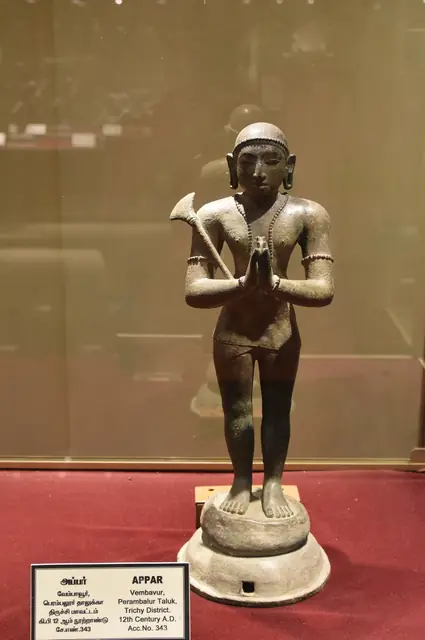
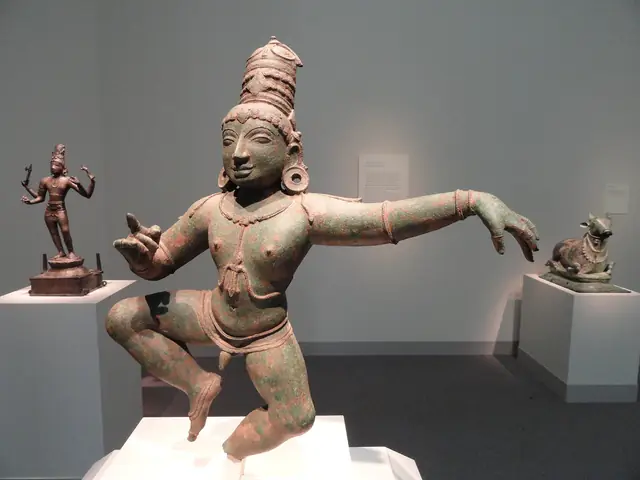
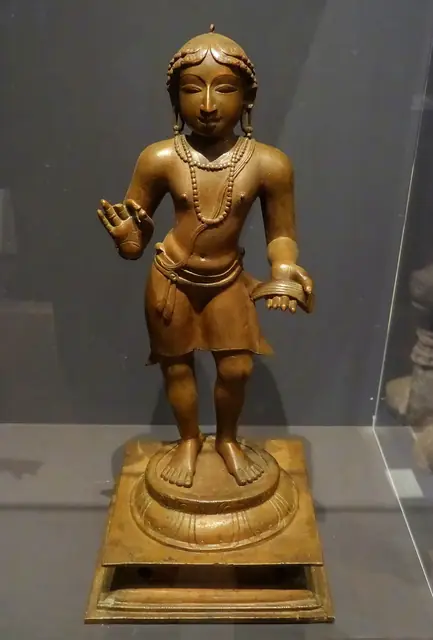
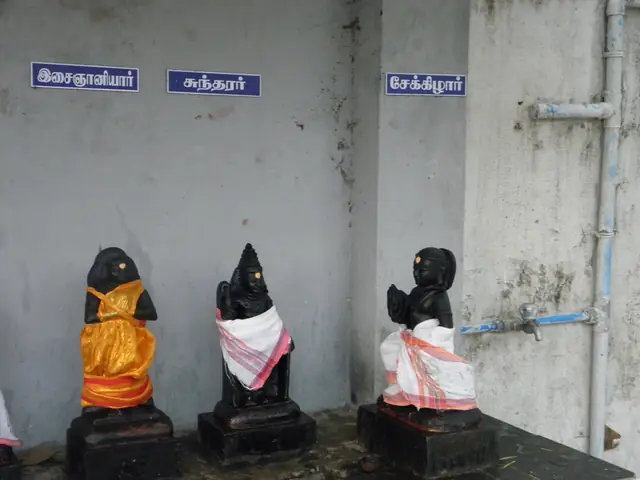
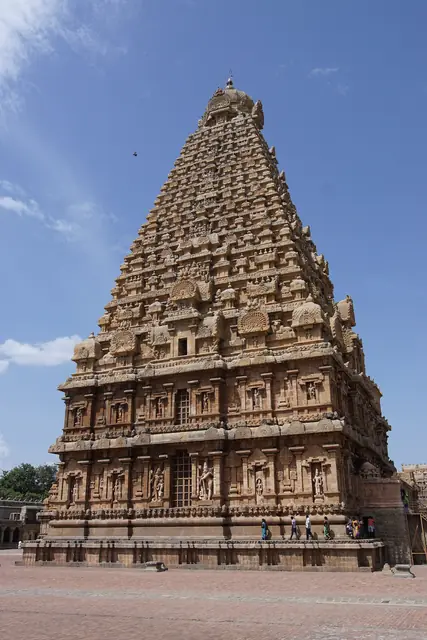
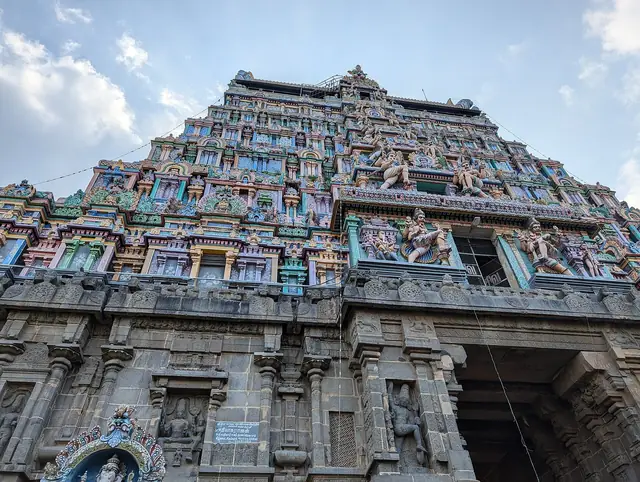
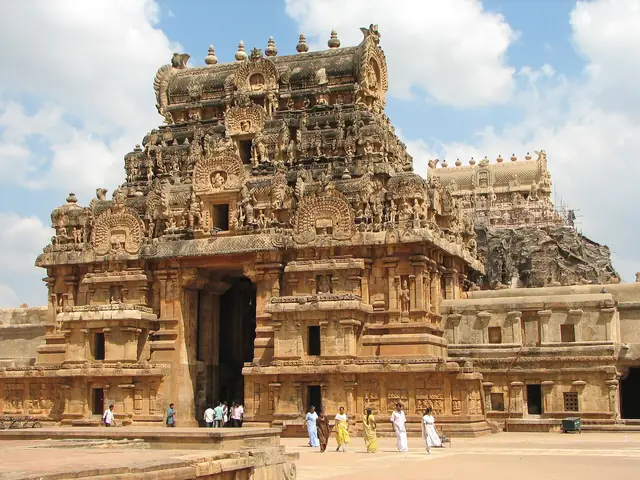
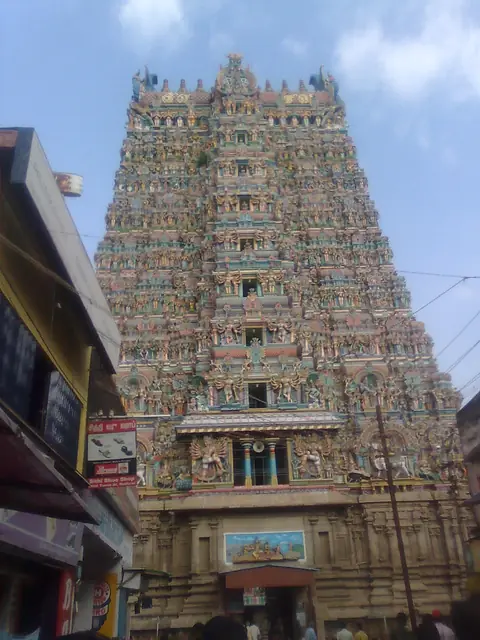
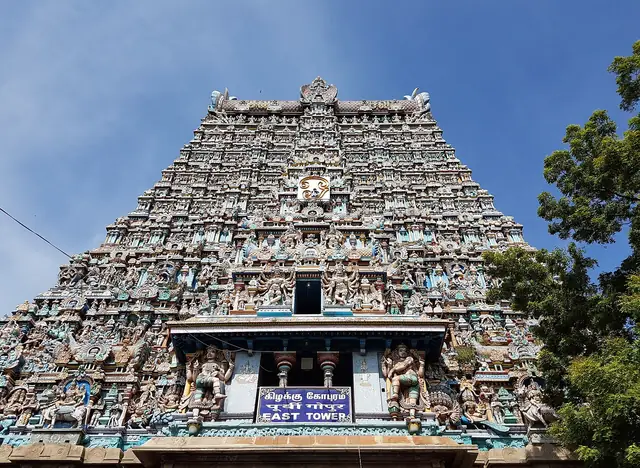
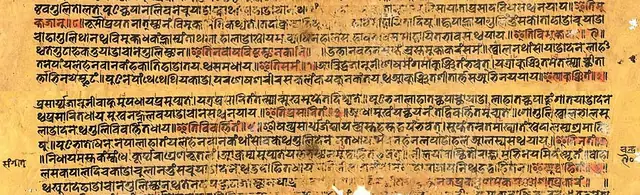
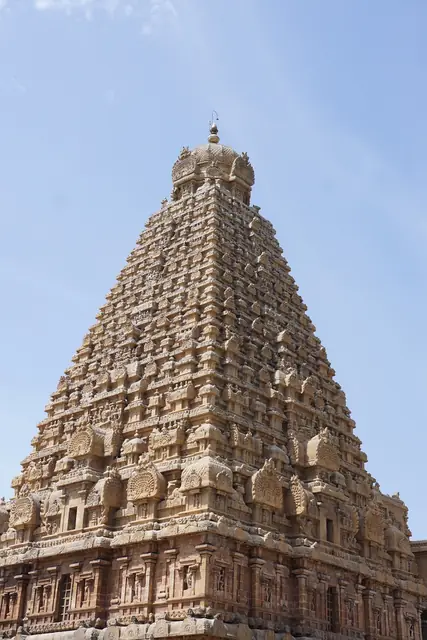
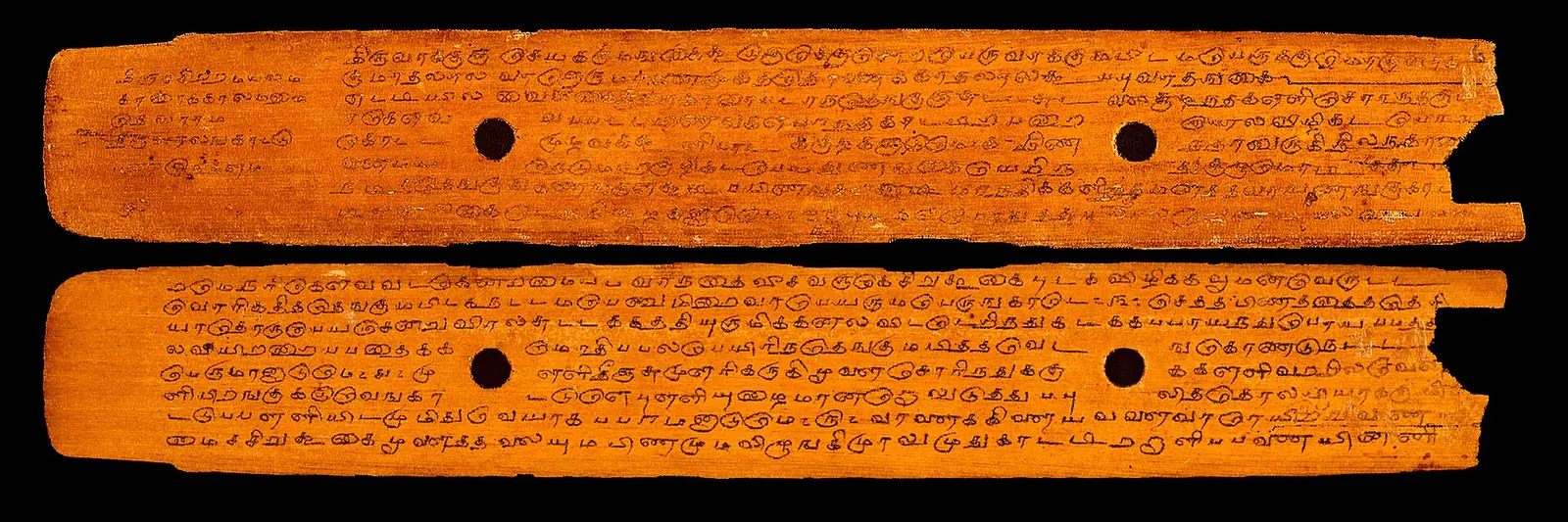
The school counts twenty-eight Shaiva Agamas, from the Kamika to the Vatula, each with its upagamas, and holds them to be spoken by Shiva himself. They give the rules for temple building, consecration and the daily puja that the Adi Shaiva priests still perform. Beside them stands the Tamil canon, the twelve books of the Tirumurai: the Tevaram hymns of Sambandar, Appar and Sundarar, the Tiruvachakam of Manikkavachakar, the Tirumandiram of Tirumular, and Sekkizhar’s Periya Puranam on the sixty-three Nayanars. Tradition says the hymns were gathered by Nambiyandar Nambi at the request of Rajaraja Chola. In the temples of Chidambaram, Thanjavur and Madurai the Agamic rite and the Tamil hymn go together.
03Sadyojyoti to Meykandar
The Sanskrit theologians came first: Sadyojyoti, around the 7th or 8th century, then Bhatta Narayanakantha and his son Bhatta Ramakantha in 10th-century Kashmir, which shows how far north the school once reached. Aghorashiva of Chidambaram wrote, in the 12th century, the ritual manual that temple priests still follow. In the 13th century Meykandar composed the Sivajnanabodham, twelve Tamil sutras that became the root of the Tamil school. With the works of Arulnandi, Maraignana Sambandar and Umapati Sivacharya of Chidambaram they make up the fourteen Meykanda Shastras. Monasteries such as the Dharmapuram and Tiruvavaduthurai Adheenams keep the teaching today, and in Sri Lanka Arumuga Navalar revived it in the 19th century.
Great masters
In the texts
- Twenty-eight Shaiva Agamas (Kamika and others)
- Tirumurai, including Tevaram and Tirumandiram
- Sivajnanabodham of Meykandar