Cite
MLA
“Sankhya.” Hindu History, 2026, https://www.hinduhistory.in/darshana/sankhya/. Accessed .
APA
Hindu History. (2026). Sankhya. Retrieved , from https://www.hinduhistory.in/darshana/sankhya/
What defines it
- 01
Purusha and prakriti, two eternal principles
- 02
Three gunas: sattva, rajas, tamas
- 03
Twenty-five tattvas, from purusha to the gross elements
- 04
Satkaryavada: the effect pre-exists in the cause
- 05
Kaivalya through viveka
01Kapila, first of the siddhas
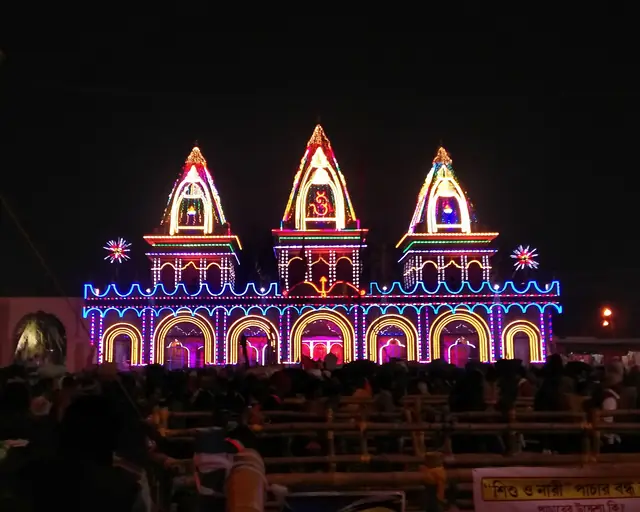
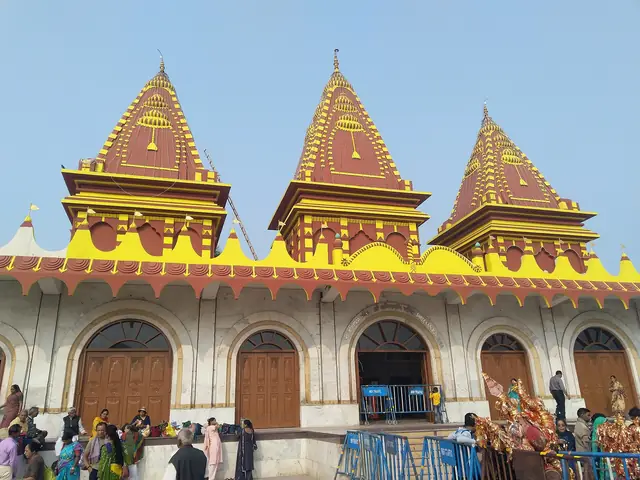
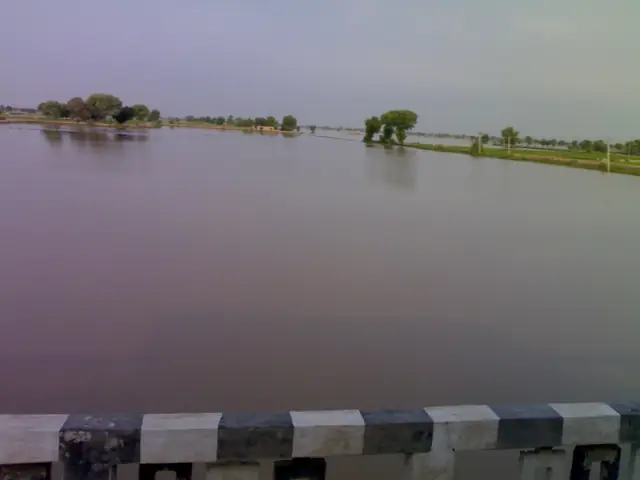
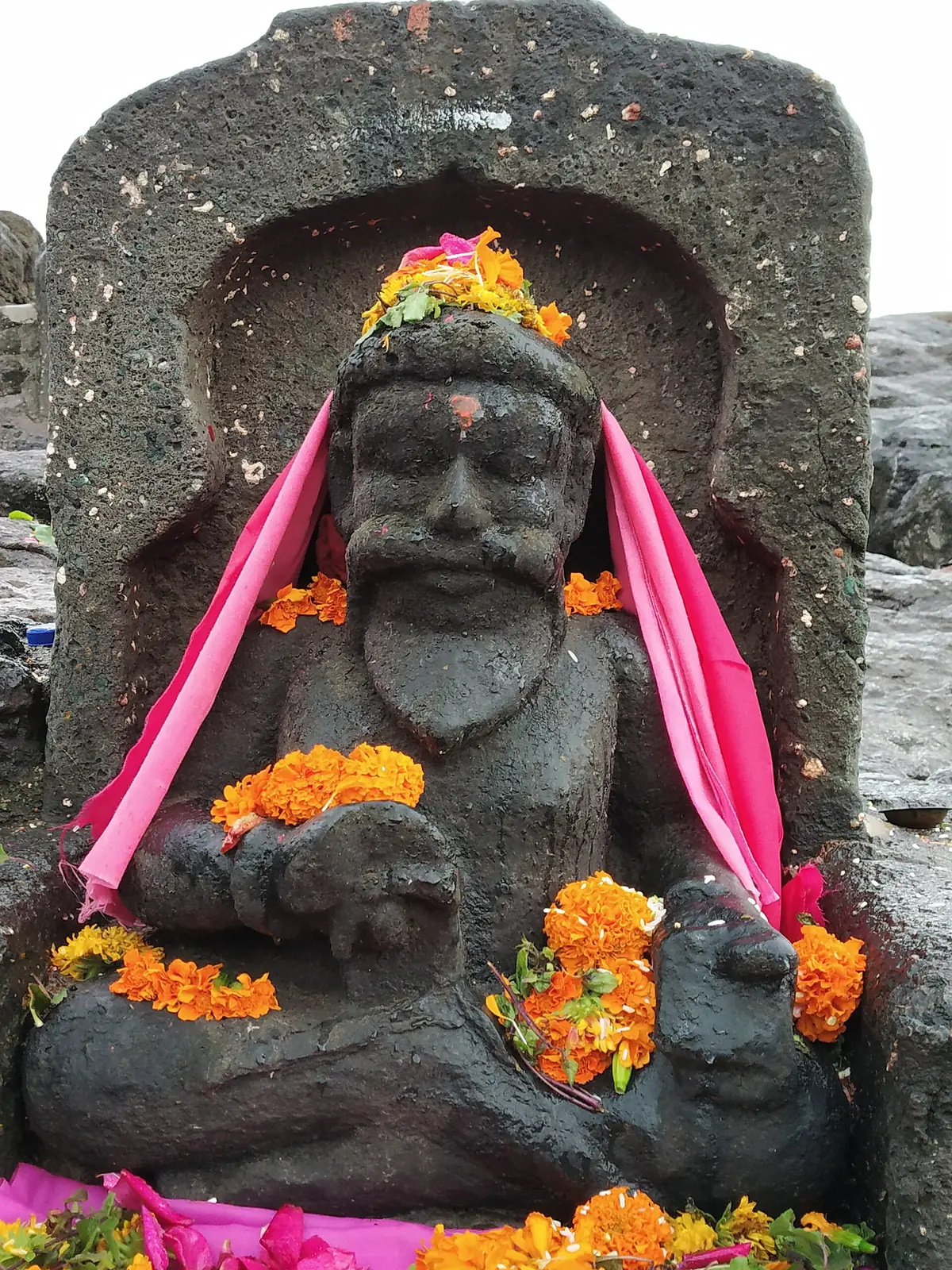
In the Gita (10.26) Shri Krishna says that among siddhas he is Kapila Muni. The Bhagavata Purana, in its third skandha, tells how Kapila, born to Kardama Rishi and Devahuti, taught his own mother the tattvas and bhakti, and she was freed. Another katha places his ashram where the Ganga meets the sea: the sixty thousand sons of King Sagara, hunting for the yajna horse, disturbed his tapas and were burned, and Bhagiratha’s tapas later brought down the Ganga to free them. Every Makar Sankranti, pilgrims bathe at Gangasagar and offer worship at the Kapil Muni temple. The tradition names Asuri and Panchashikha as the next teachers in Kapila’s line.
02Twenty-five tattvas
Sankhya counts twenty-five tattvas. Purusha is the witness, conscious and untouched. Prakriti is unconscious nature, held in balance by three gunas: sattva, light and clarity; rajas, motion; tamas, weight and inertia. When the balance is stirred, prakriti unfolds as mahat or buddhi, then ahamkara, the sense of I, then manas, the five organs of knowing, the five organs of action, the five subtle elements and the five gross elements. Causation is satkaryavada: the effect already lies in its cause, as oil lies in sesame. Bondage is the mistake of taking prakriti’s changes for one’s own self. Liberation, kaivalya, is viveka, the clear knowledge that purusha was never bound. Sankhya accepts three pramanas: perception, inference and reliable testimony.
03The Karika and its readers
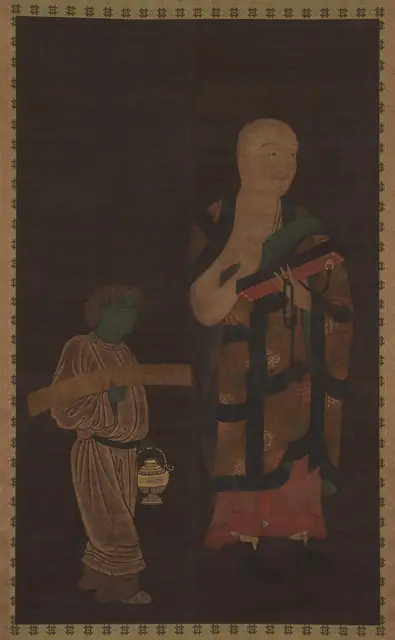
The handbook of the school is the Samkhya Karika of Ishvarakrishna, some seventy verses, generally placed around the 4th century CE. Verse 21 gives the famous image of a lame man riding on the shoulders of a blind man: purusha can see but not move, prakriti can move but not see, and together they make the world go. The Karika travelled far; the monk Paramartha took it to China in the 6th century and translated it with a commentary. In Bharat, Gaudapada wrote a bhashya on it and Vachaspati Mishra wrote the Tattvakaumudi. Sankhya’s list of tattvas became common property: the Yoga darshana, the Puranas, the Gita and the Ayurvedic texts all speak in its terms.
Great masters
In the texts
- Bhagavad Gita 10.26
- Bhagavata Purana, Skandha 3 (Kapila’s teaching to Devahuti)
- Samkhya Karika of Ishvarakrishna
- Tattvakaumudi of Vachaspati Mishra