Cite
MLA
“Yoga Darshana.” Hindu History, 2026, https://www.hinduhistory.in/darshana/yoga-darshana/. Accessed .
APA
Hindu History. (2026). Yoga Darshana. Retrieved , from https://www.hinduhistory.in/darshana/yoga-darshana/
What defines it
- 01
Yoga is chitta-vritti-nirodha (1.2)
- 02
Five kleshas, from avidya to abhinivesha
- 03
Ishvara, the special purusha, named by Om
- 04
Ashtanga: the eight limbs (2.29)
- 05
Kaivalya: the seer resting in itself
01Four padas, under two hundred sutras
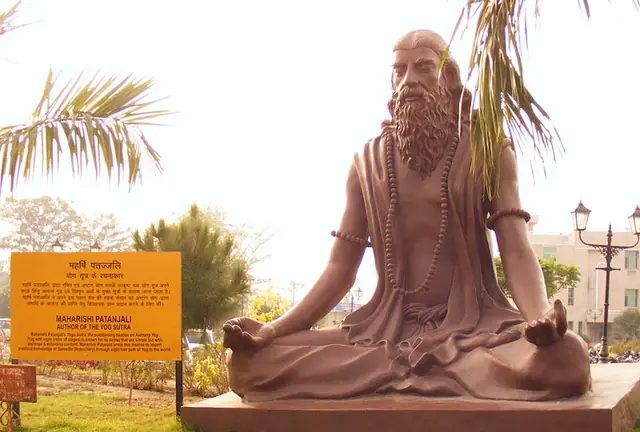
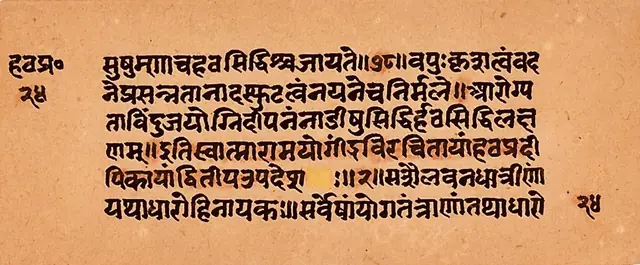
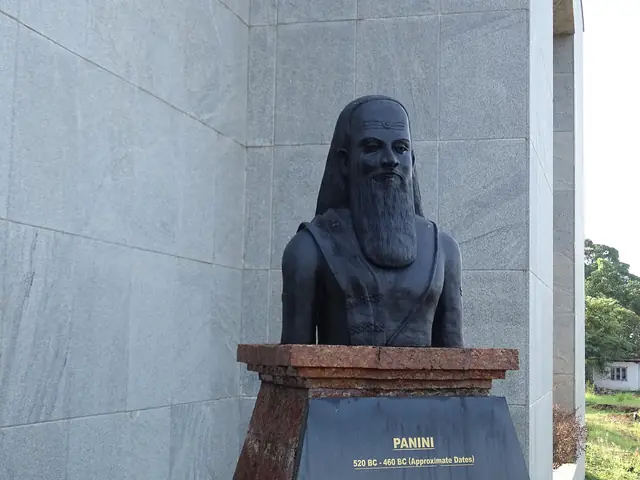
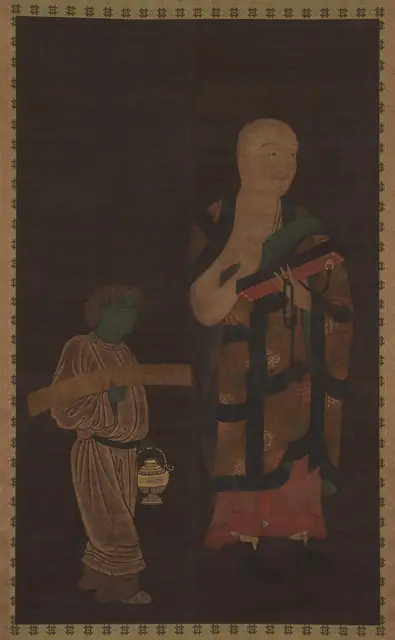
The Yoga Sutra is short, about 195 sutras in four padas: Samadhi, Sadhana, Vibhuti and Kaivalya. It begins “Now, the teaching of yoga” (1.1) and defines its subject in four words: yogash chitta-vritti-nirodhah, yoga is the stilling of the movements of the mind (1.2). When that happens, the seer rests in his own form (1.3). The second pada names five kleshas that keep us bound: avidya, asmita, raga, dvesha and abhinivesha, the clinging to life. Tradition honours Patanjali as an avatar of Adishesha and, in many accounts, as the same sage who wrote the Mahabhashya on Panini’s grammar; the opening verse recited before Yoga Sutra study praises him for purifying mind, speech and body.
02Ishvara and the eight limbs
Where Sankhya says little of Ishvara, Yoga gives him a place. Samadhi may come through ishvara-pranidhana, surrender to Ishvara (1.23), a special purusha untouched by kleshas, karma and its fruits (1.24), whose name is the pranava, Om (1.27). Sutra 2.29 lists the eight limbs: yama, niyama, asana, pranayama, pratyahara, dharana, dhyana and samadhi. The yamas are ahimsa, satya, asteya, brahmacharya and aparigraha (2.30), and the sutra calls them a great vow, valid for every place, time and birth. Asana in the sutra is simply a seat that is steady and easy (2.46). The third pada describes the siddhis that may come, and warns that they are obstacles to samadhi.
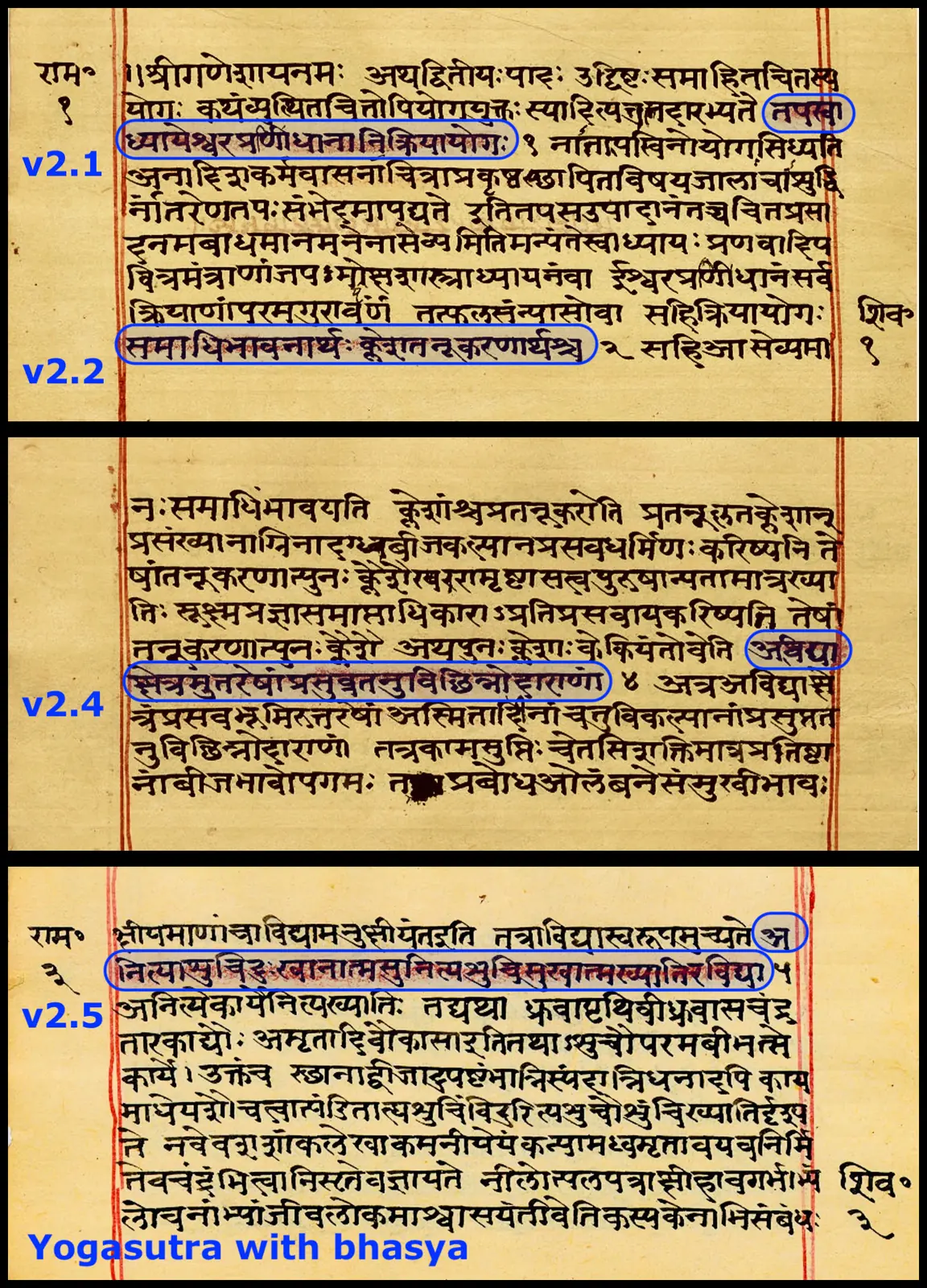
03Vyasa’s bhashya and the later teachers
The sutra is never read alone. The bhashya ascribed to Vyasa is printed with it in almost every edition. Vachaspati Mishra glossed that bhashya in his Tattvavaisharadi; Raja Bhoja of Dhara wrote the Rajamartanda in the 11th century; Vijnanabhikshu wrote the Yogavarttika in the 16th. A Vivarana on the Vyasa Bhashya is ascribed to Adi Shankaracharya. In the 20th century the darshana went round the world with teachers from Bharat, and in December 2014 the United Nations declared 21 June the International Day of Yoga, first observed in 2015. Whatever the posture class looks like, the yamas of 2.30 remain the first rung.
Great masters
In the texts
- Yoga Sutra 1.2, 1.23–1.27, 2.29–2.30
- Yoga Bhashya of Vyasa
- Rajamartanda of Bhoja