Cite
MLA
“Vishishtadvaita.” Hindu History, 2026, https://www.hinduhistory.in/darshana/vishishtadvaita/. Accessed .
APA
Hindu History. (2026). Vishishtadvaita. Retrieved , from https://www.hinduhistory.in/darshana/vishishtadvaita/
What defines it
- 01
Three tattvas: chit, achit, Ishvara
- 02
Sharira-shariri bhava: the world is Bhagwan’s body
- 03
The world is real, not illusion
- 04
Moksha by bhakti and prapatti
- 05
Seven objections to avidya (Sri Bhashya)
01The young scholar of Sriperumbudur
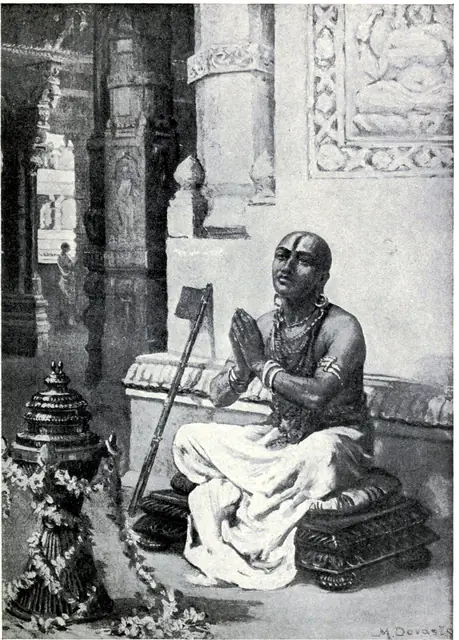
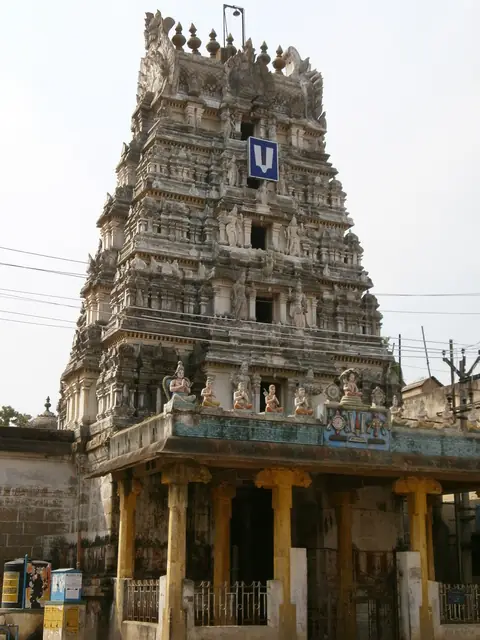
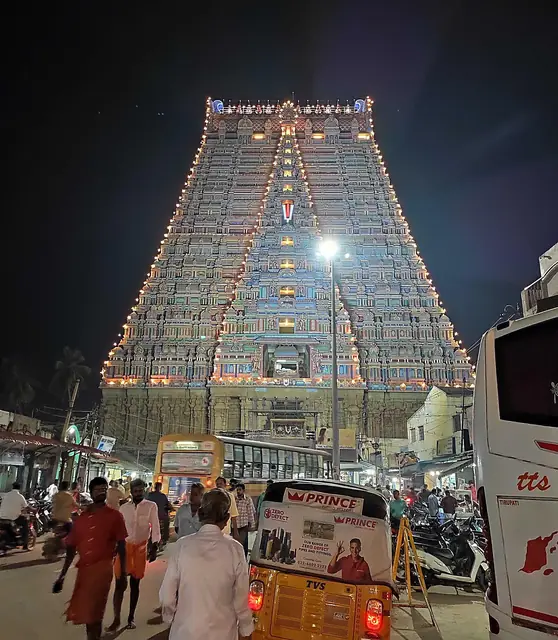
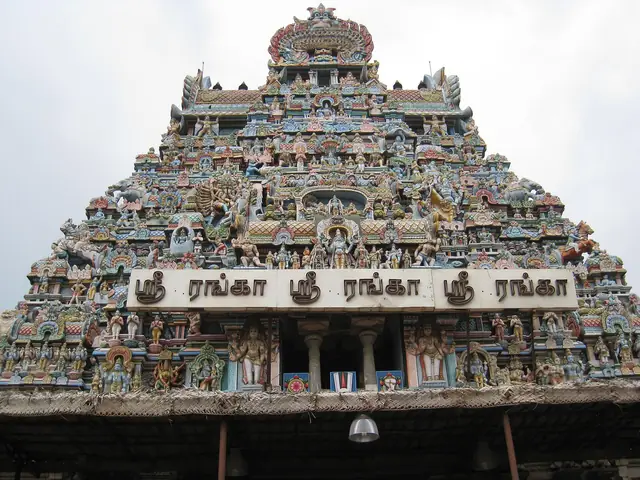
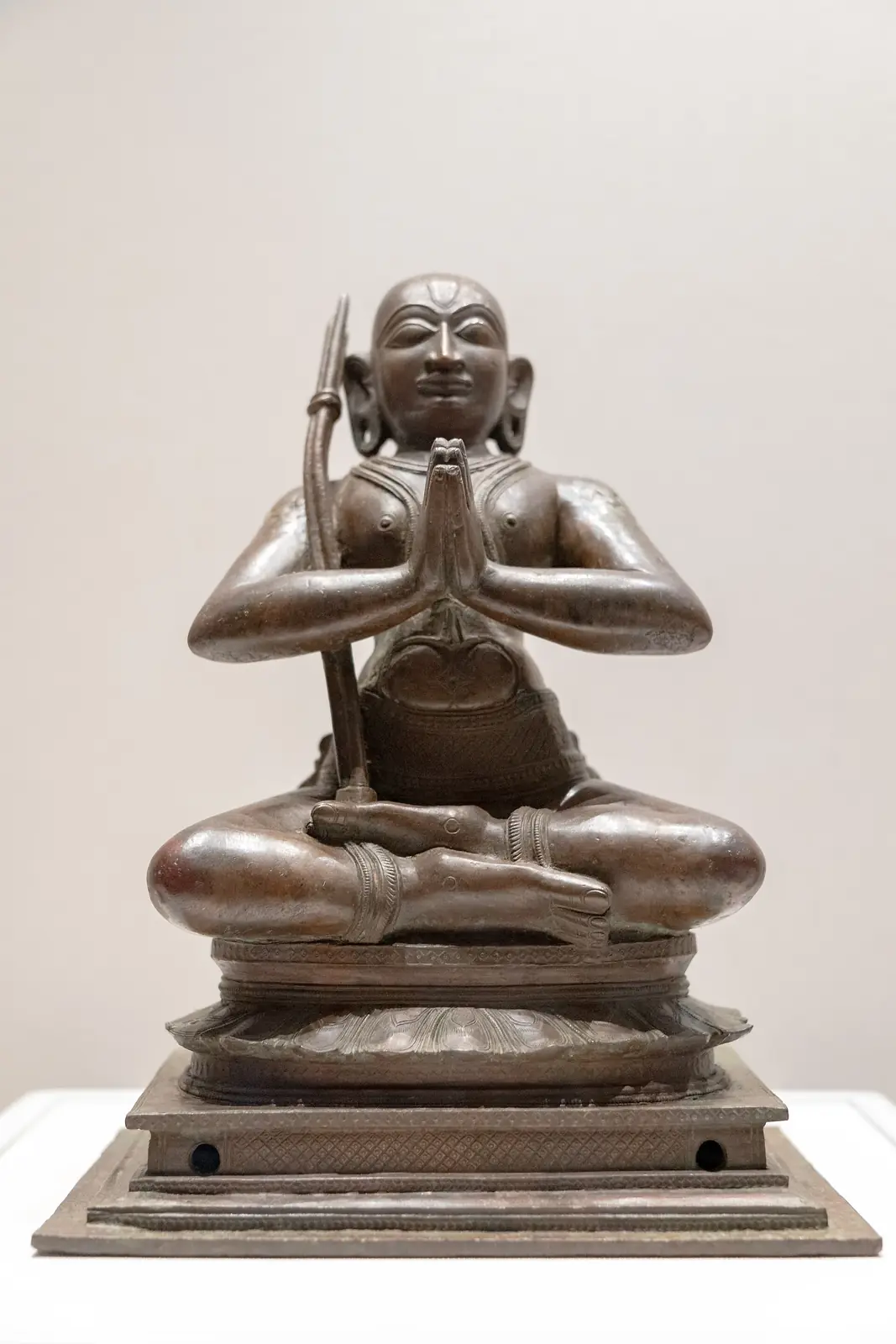
Ramanuja was born at Sriperumbudur near Kanchipuram; the Sri Vaishnava tradition gives his years as 1017 to 1137. He studied Vedanta at Kanchi under Yadavaprakasha and broke with him over the reading of the Upanishads; the guruparampara accounts tell of a dispute over a phrase of the Chandogya Upanishad. Yamunacharya of Srirangam had hoped to meet him but passed away before Ramanuja reached him, and Ramanuja took up his unfinished tasks, the first being a commentary on the Brahma Sutra. He became head of the Srirangam temple and its order, spent about twelve years at Melkote in the Hoysala country, and returned to Srirangam, where his tirumeni is still venerated.
02The world as Bhagwan’s body
Ramanuja’s key is the Antaryami Brahmana of the Brihadaranyaka Upanishad (3.7), where the inner ruler dwells in earth, water and the self, and they are his body. So the relation is sharira and shariri, body and soul. There are three tattvas: chit, conscious souls; achit, insentient matter; and Ishvara, Narayana, who holds both as his body. Brahman is one, but one as qualified (vishishta) by them, so the world is real, not an illusion. In the Sri Bhashya he lists seven objections (saptavidha anupapatti) to the Advaita idea of avidya. The goal is eternal service of Narayana in Vaikuntha, reached by bhakti or by prapatti, full surrender, with Shri Lakshmi as the one who intercedes.
03Works and heirs
Ramanuja’s nine works include the Sri Bhashya on the Brahma Sutra, the Vedartha Sangraha, the Gita Bhashya, the Vedanta Sara and Vedanta Dipa, and the three Gadyas recited at Srirangam. He claimed to follow the older Bodhayana Vritti, now lost. His disciples Kurattalvan (Kuresha) and Mudaliyandan stood with him through hard years. Sudarshana Suri wrote the Shrutaprakashika on the Sri Bhashya, and Vedanta Desika (1268–1369) of Kanchi defended the school in the Shatadushani and many other works. The Sri Vaishnava sampradaya, with its temples, mathas and recitation of the Divya Prabandham, is the living community of this darshana.
Family tree
Great masters
In the texts
- Sri Bhashya on the Brahma Sutra
- Vedartha Sangraha
- Brihadaranyaka Upanishad 3.7 (Antaryami Brahmana)
- Gita Bhashya; Sharanagati Gadya