Cite
MLA
“Virashaiva (Lingayat) tradition.” Hindu History, 2026, https://www.hinduhistory.in/darshana/virashaiva-lingayat/. Accessed .
APA
Hindu History. (2026). Virashaiva (Lingayat) tradition. Retrieved , from https://www.hinduhistory.in/darshana/virashaiva-lingayat/
What defines it
- 01
Ishtalinga worn on the body and worshipped on the palm
- 02
Ashtavarana and panchachara
- 03
Shatsthala: six stages from bhakta to aikya
- 04
Kayaka and dasoha: work and sharing as worship
- 05
Vachanas in Kannada
01Basava at Kalyana
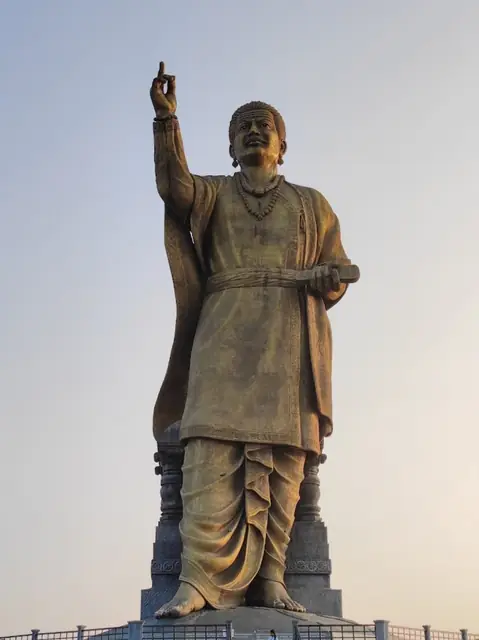
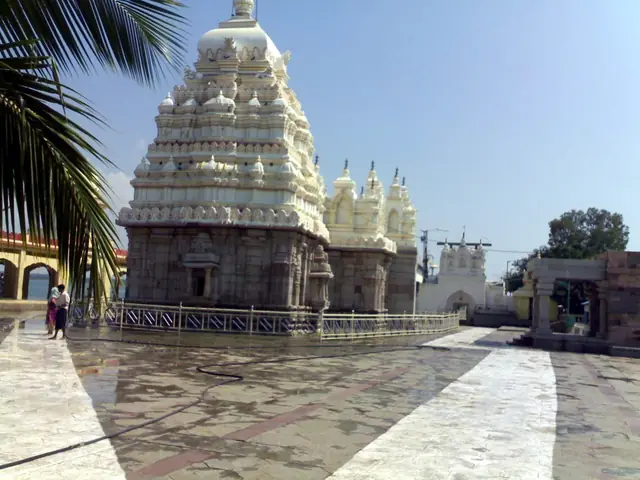
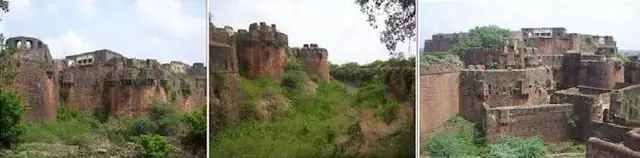
Basava, or Basavanna, served as a minister of the Kalachuri king Bijjala II at Kalyana, in the 12th century, the town now called Basavakalyan in Bidar district. There he gathered devotees of Shiva of every birth, men and women, in the Anubhava Mantapa, a hall of spiritual experience, where they spoke their realisations in short Kannada prose-poems called vachanas. Allama Prabhu presided over its talk; Akka Mahadevi, Channabasava, Siddharama and many craftsmen-saints sang with them. Basava addressed his vachanas to Kudalasangamadeva, Shiva of the meeting rivers, and his samadhi is at Kudalasangama, where the Krishna and the Malaprabha meet. The Shunya Sampadane, an anthology of these dialogues, was later compiled at the Vijayanagara court.
02The linga on the palm
Every Virashaiva, man or woman, receives an ishtalinga from the guru at diksha and wears it for life in a small case on a cord; worship is done holding it on the left palm and gazing at it. The path is given as the ashtavarana, eight supports (guru, linga, jangama, padodaka, prasada, vibhuti, rudraksha and mantra, the Panchakshari), and the panchachara, five codes of conduct. The soul rises through the shatsthala, six stages from bhakta to aikya, union with the linga. Kayaka, honest work, is itself worship, and dasoha, sharing its fruit, is its offering. The philosophy is often called Shakti-vishishtadvaita: Shiva qualified by his Shakti, and the soul one with him at the last stage.
03Panchacharyas and mathas
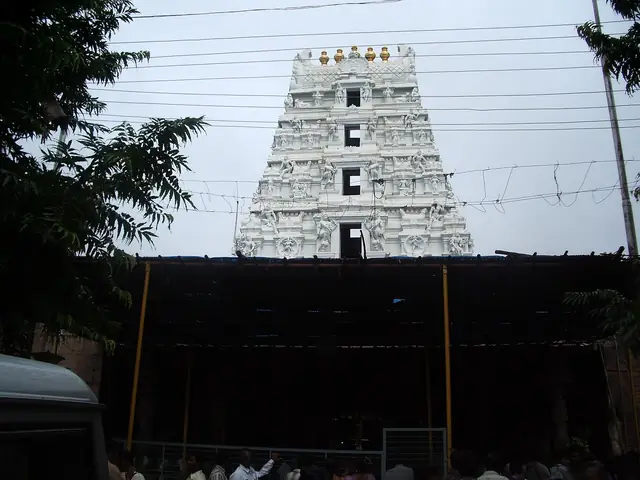
Alongside Basava’s story, the tradition also honours five Panchacharyas, beginning with Renukacharya, who in its account taught the faith in earlier ages and founded five peethas: Rambhapuri at Balehonnur, Ujjaini, Kedar, Srishaila and Kashi. The Sanskrit Siddhanta Shikhamani sets out their teaching. After Basava, Channabasava organised the community and its theology, and the Telugu Basava Purana of Palkuriki Somanatha spread the sharanas’ lives. Today hundreds of mathas across Karnataka, the Virakta mathas and the Guru-sthala mathas, run schools, hostels and free kitchens. The vachanas of Basava, Allama and Akka Mahadevi are among the best-loved writing in Kannada.
Great masters
In the texts
- Vachanas of the sharanas
- Shunya Sampadane
- Siddhanta Shikhamani
- Basava Purana of Palkuriki Somanatha