Cite
MLA
“Pancharatra Agama.” Hindu History, 2026, https://www.hinduhistory.in/darshana/pancharatra/. Accessed .
APA
Hindu History. (2026). Pancharatra Agama. Retrieved , from https://www.hinduhistory.in/darshana/pancharatra/
What defines it
- 01
Five forms: para, vyuha, vibhava, antaryami, archa
- 02
Four vyuhas: Vasudeva, Sankarshana, Pradyumna, Aniruddha
- 03
Six divine gunas
- 04
Four padas: jnana, yoga, kriya, charya
- 05
The consecrated murti as Bhagwan’s real presence
01Narayana’s five-night sacrifice
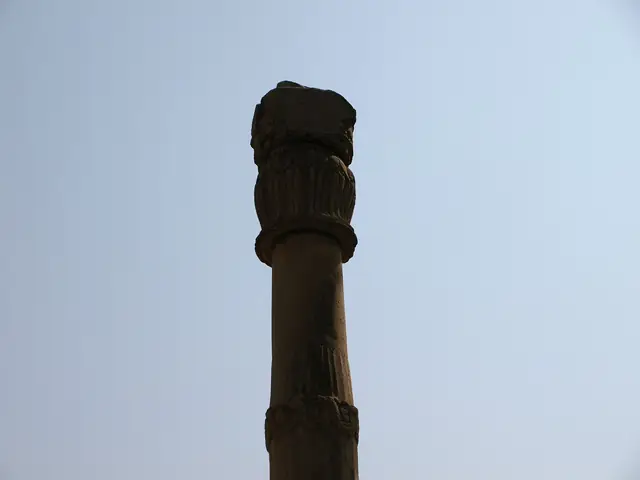
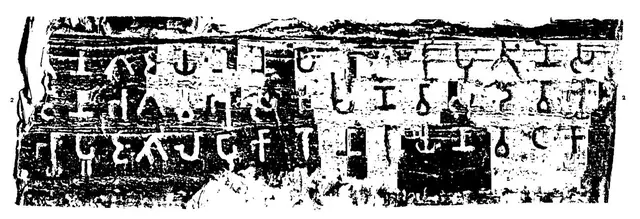
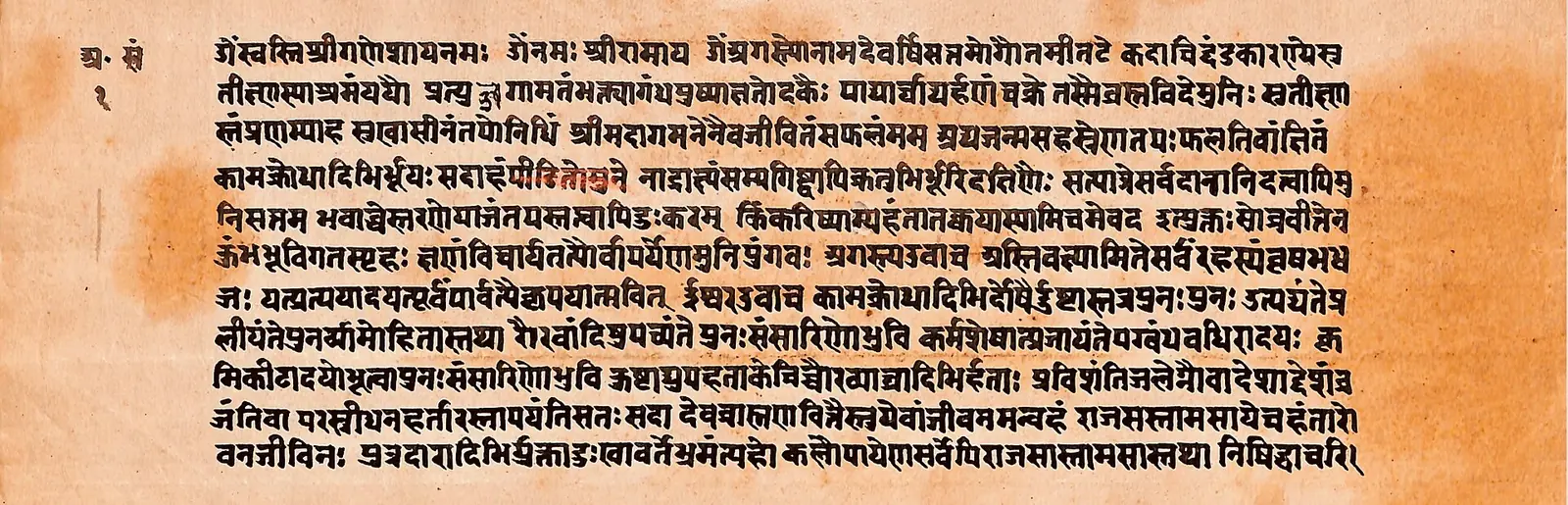
The Shatapatha Brahmana (13.6) tells how Purusha Narayana wished to become all beings and performed the five-night sacrifice, pancharatra, and so pervaded the worlds. In the Narayaniya section of the Mahabharata’s Shanti Parva, Bhishma tells Yudhishthira how the seven rishis received this teaching from Narayana himself. Stone bears witness too: the Heliodorus pillar at Vidisha, raised by a Greek envoy who called himself a Bhagavata, and the Ghosundi inscription, which names Sankarshana and Vasudeva, show the worship of Vasudeva and his vyuhas being practised before the Common Era. The Samhitas, traditionally counted as 108, were compiled over many centuries after.
02Para, vyuha, vibhava, antaryami, archa
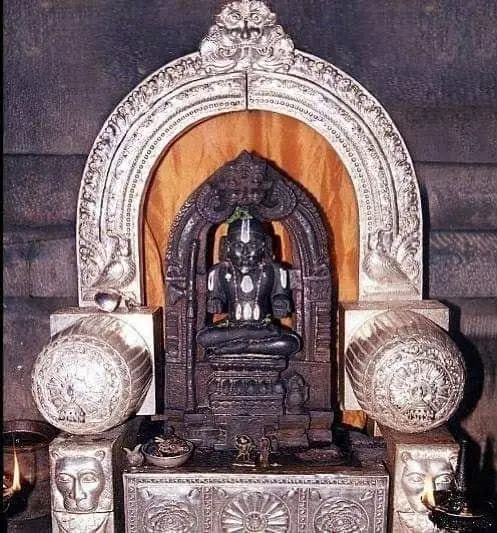
Pancharatra teaches that Bhagwan is present in five ways. Para is Narayana in Vaikuntha, with six gunas: jnana, aishvarya, shakti, bala, virya and tejas. The vyuhas are Vasudeva, Sankarshana, Pradyumna and Aniruddha, each showing two of the six gunas and taking part in creation. Vibhava are the avatars. Antaryami is Bhagwan as the inner controller in every heart. Archa is Bhagwan in the consecrated murti, descended by his own will to receive worship. That last teaching is why the temple matters so much: once the murti is consecrated by Pancharatra rites, the shastra treats it as Bhagwan’s real presence. Each Samhita is arranged in four padas: jnana, yoga, kriya and charya.
03The three gems and the temples
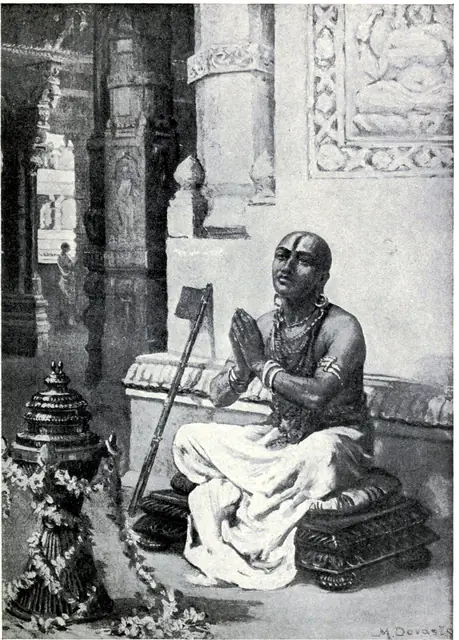
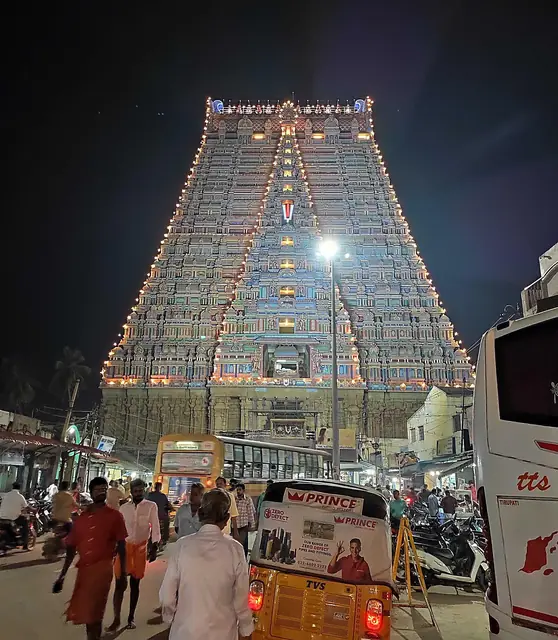
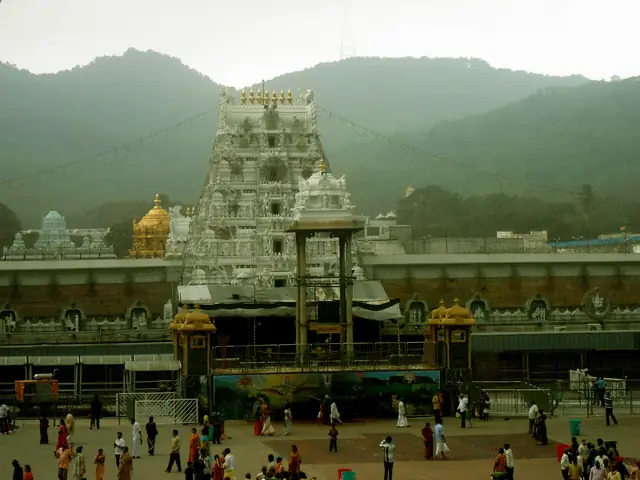
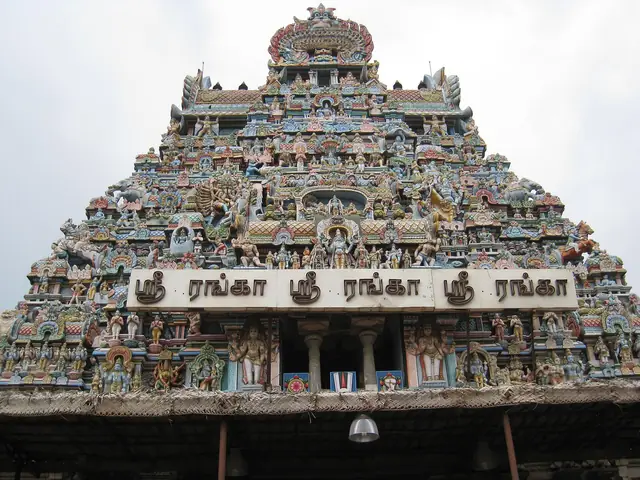
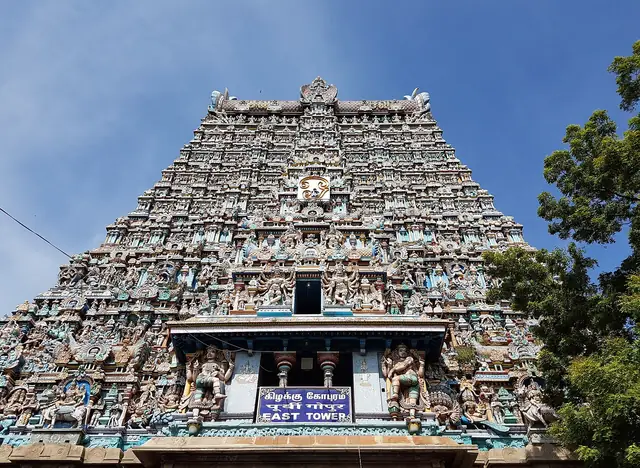
Tradition calls three Samhitas the ratnatraya, the three gems: the Sattvata, the Paushkara and the Jayakhya. Others widely used are the Ahirbudhnya Samhita, the Lakshmi Tantra, the Padma Samhita and the Ishvara Samhita. When some questioned whether these texts were Vedic, Yamunacharya of Srirangam wrote the Agama Pramanya to show that they are valid and agree with the Veda, and Ramanujacharya built Pancharatra worship into Sri Vaishnava life. Most of the great Vishnu temples of the south follow Pancharatra rites, Srirangam among them; a smaller number, including Tirumala, follow the sister Vaishnava Agama called Vaikhanasa. Madhva too accepted the Pancharatra as authoritative.
Great masters
In the texts
- Shatapatha Brahmana 13.6
- Narayaniya, Mahabharata Shanti Parva
- Sattvata, Paushkara and Jayakhya Samhitas
- Ahirbudhnya Samhita; Lakshmi Tantra