Cite
MLA
“Dashanami Sampradaya and the Shankara Mathas.” Hindu History, 2026, https://www.hinduhistory.in/darshana/dashanami-mathas/. Accessed .
APA
Hindu History. (2026). Dashanami Sampradaya and the Shankara Mathas. Retrieved , from https://www.hinduhistory.in/darshana/dashanami-mathas/
What defines it
- 01
Four amnaya mathas, each with a Veda and a mahavakya
- 02
Ten names: Giri, Puri, Bharati, Vana, Aranya, Parvata, Sagara, Tirtha, Ashrama, Sarasvati
- 03
Ekadandi sannyasa
- 04
Shankaracharyas as heads of the mathas
- 05
Naga akharas at the Kumbh
01Four mathas, four Vedas
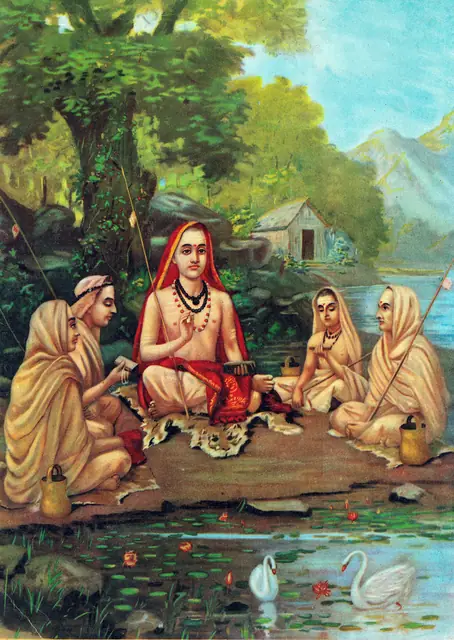
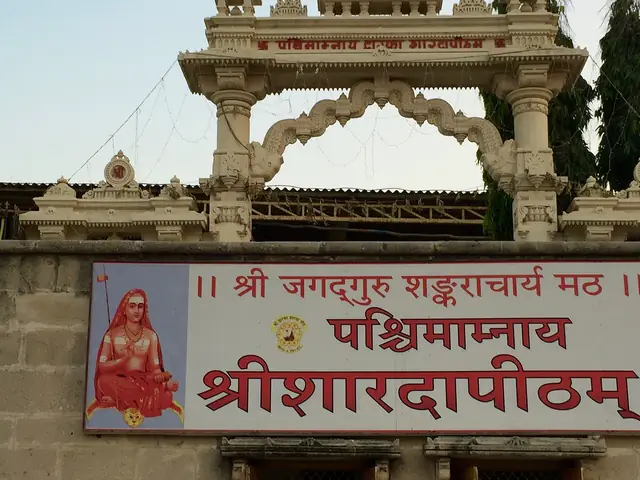
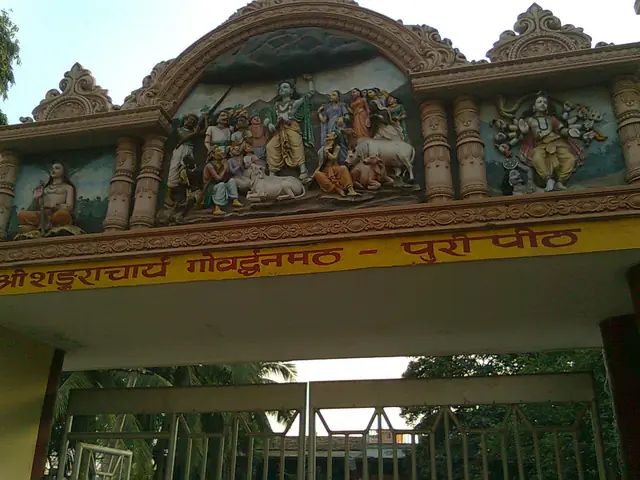
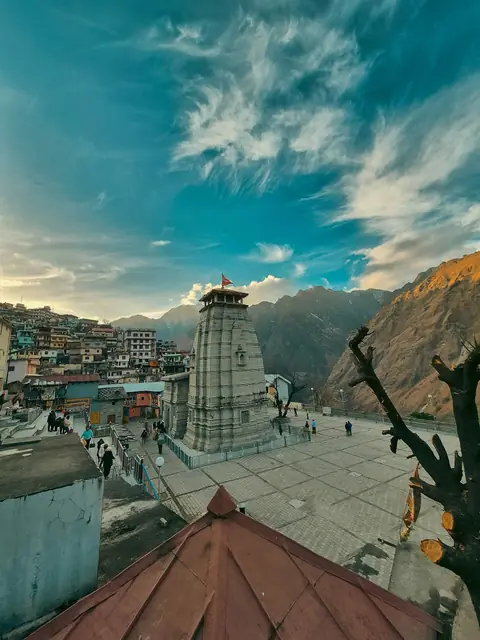
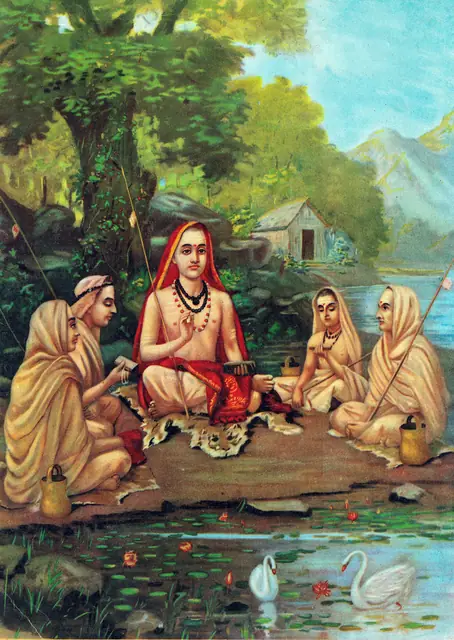
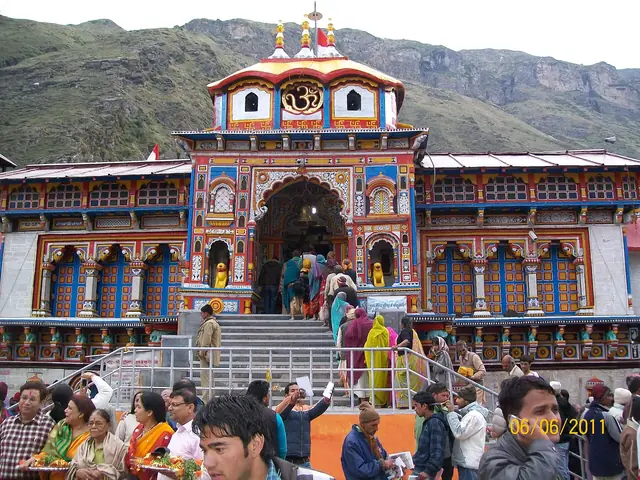
The Mathamnaya texts of the order say Adi Shankaracharya placed one matha at each quarter of Bharat, each with a Veda, a mahavakya and a first acharya from among his disciples. In the south, Sringeri on the Tunga: Yajur Veda, aham brahmasmi, Sureshvara. In the west, the Sharada Peetham at Dwarka: Sama Veda, tat tvam asi, Hastamalaka. In the east, the Govardhan Matha at Puri: Rig Veda, prajnanam brahma, Padmapada. In the north, Jyotirmath near Badrinath: Atharva Veda, ayam atma brahma, Totaka. The Kanchi Kamakoti Peetham also traces its line to Shankara. Each matha has kept a succession of Shankaracharyas, and their opinion on dharma is sought to this day.
02The ten names
A sannyasi of the order takes one of ten names as a suffix: Giri, Puri, Bharati, Vana, Aranya, Parvata, Sagara, Tirtha, Ashrama or Sarasvati. Each name belongs to a matha; by the order’s own account Sringeri holds Sarasvati, Bharati and Puri, Dwarka holds Tirtha and Ashrama, Puri holds Vana and Aranya, and Jyotirmath holds Giri, Parvata and Sagara. The monks are ekadandis, carrying a single staff, wear ochre, and at initiation perform their own funeral rites, since the sannyasi is dead to the world. Wandering ascetics with a single staff are recorded in inscriptions well before the mathas, and scholars note that the arrangement into ten names took shape over centuries, as hagiographies from the 14th century onward describe it.
03Vidyaranya and the akharas
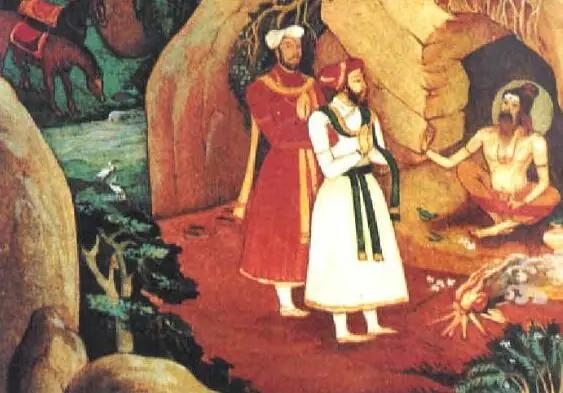
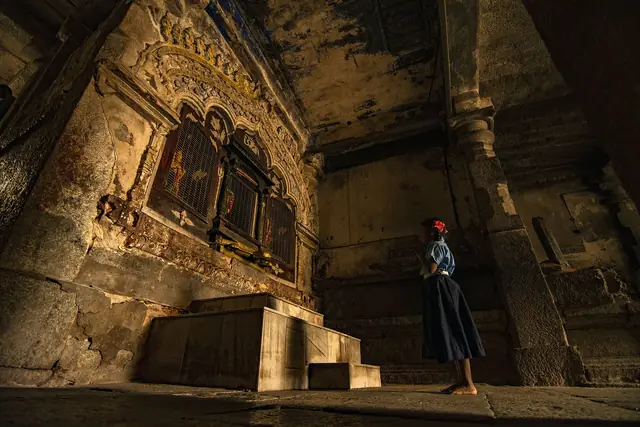
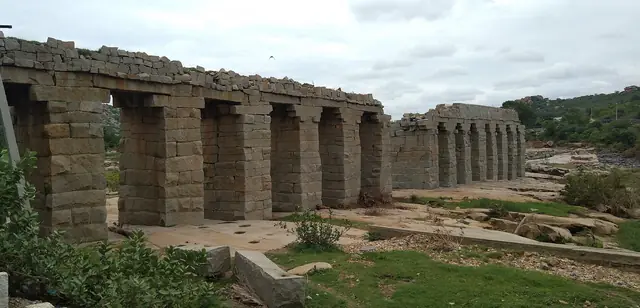
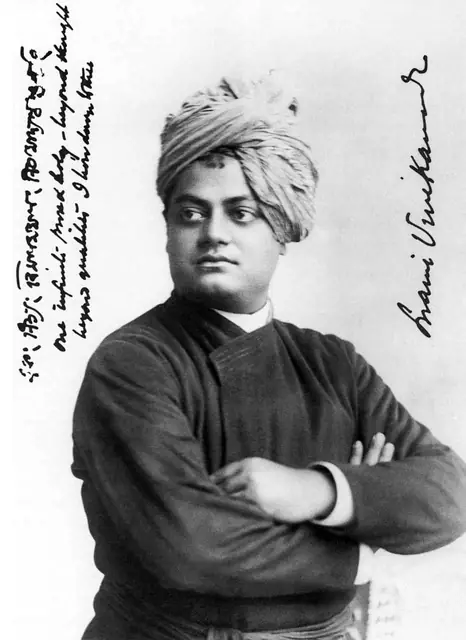
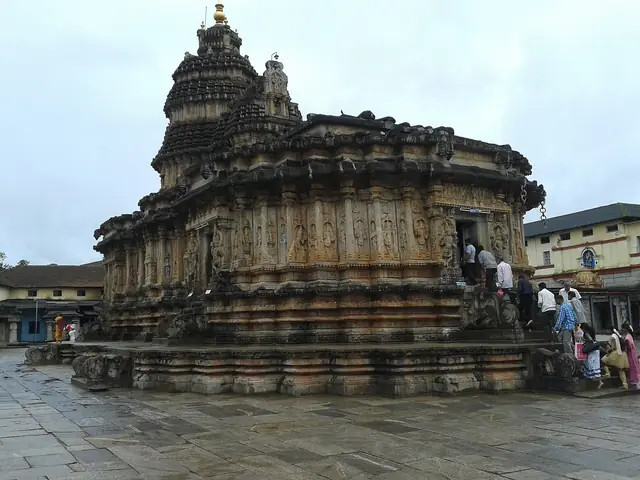
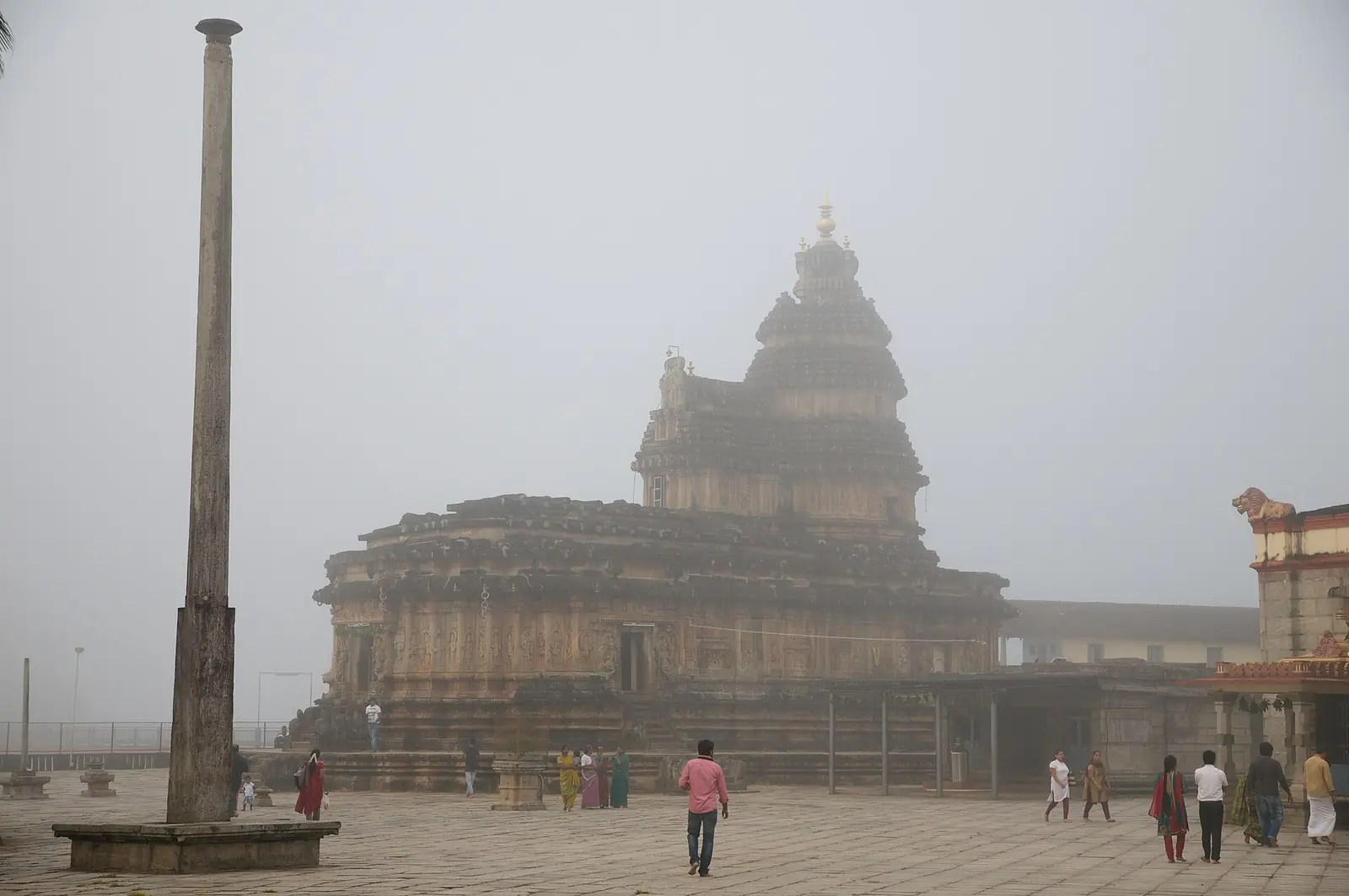
In the 14th century Sringeri’s pontiffs stood close to the founding of Vijayanagara. Tradition names Vidyaranya, later head of the matha, as guide to the brothers Harihara and Bukka, and Sringeri holds grants from the early Sangama kings; the stone Vidyashankara temple there was built in 1338. Over the following centuries the Dashanami order also gave rise to the akharas, bodies of Naga sannyasis such as the Juna, Niranjani and Mahanirvani, who once took up arms to defend pilgrims and tirthas. At every Kumbh Mela their processions lead the Shahi Snan. Swami Vivekananda, of the Puri name, and many modern teachers took sannyasa in this order.
Family tree
Great masters
In the texts
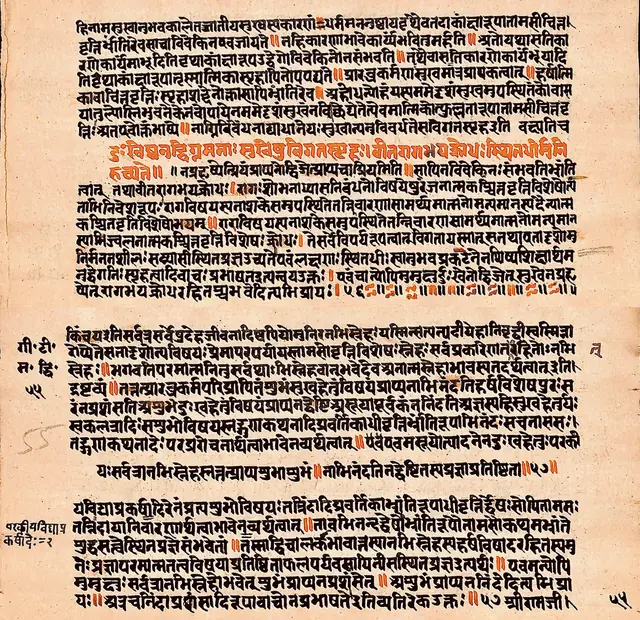
- Mathamnaya texts
- Shankara Digvijaya