Cite
MLA
“Nyayamrita and Advaitasiddhi: the Dvaita–Advaita debate.” Hindu History, 2026, https://www.hinduhistory.in/darshana/nyayamrita-advaitasiddhi/. Accessed .
APA
Hindu History. (2026). Nyayamrita and Advaitasiddhi: the Dvaita–Advaita debate. Retrieved , from https://www.hinduhistory.in/darshana/nyayamrita-advaitasiddhi/
What defines it
- 01
Is the world mithya? The definitions of falsity
- 02
Difference perceived directly (Dvaita) against falsity of the world (Advaita)
- 03
Navya-Nyaya as the shared language of both sides
- 04
Generations of replies and counter-replies
01Vyasatirtha’s nectar of logic
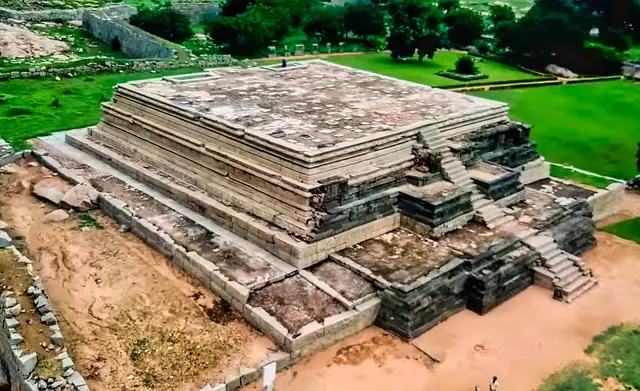
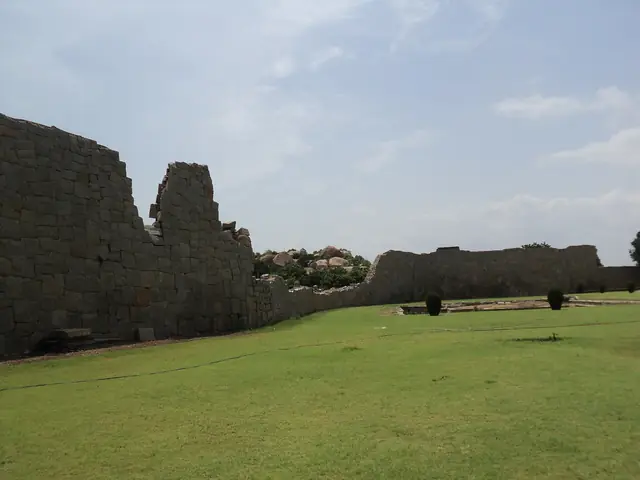
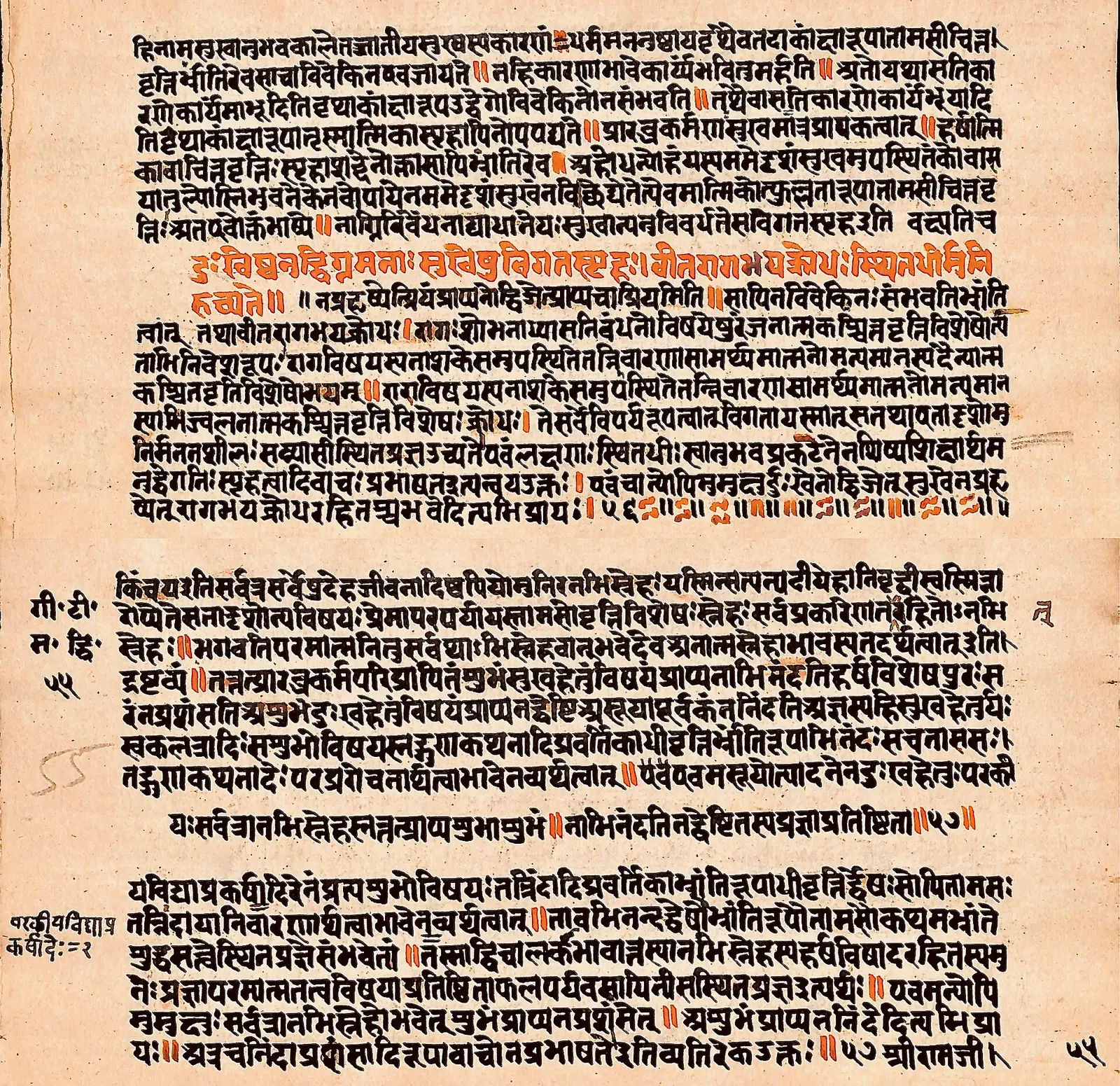
Vyasatirtha, the Madhva pontiff who served as rajaguru at Vijayanagara under Krishnadevaraya, had studied all six darshanas at Kanchi and knew Navya-Nyaya well. In the Nyayamrita he took the definitions of mithyatva, falsity, that Advaita teachers had given, and tried to show that each one fails: if the world is false, is its falsity itself real or false? He also argued that difference is perceived directly, so no inference can overturn it. With the Tatparya Chandrika and Tarka Tandava, the work makes up the Vyasa Traya, the three great works of the Madhva school after Jayatirtha. Its use of Navya-Nyaya tools forced Advaita to answer in the same precise language.
02Madhusudana’s answer
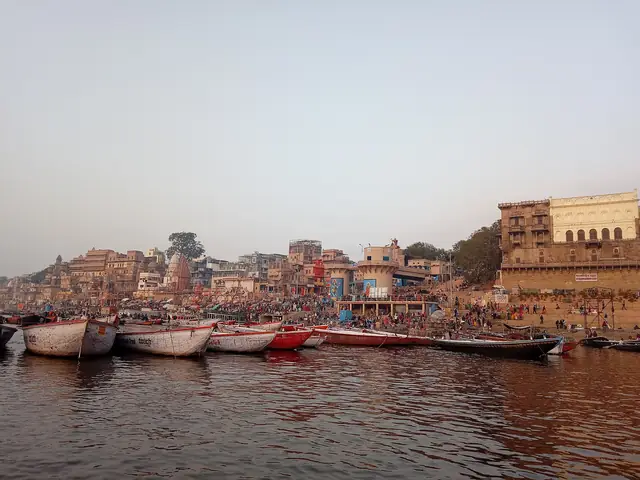
The answer came from Varanasi. Madhusudana Sarasvati, a Bengali sannyasi trained in Navya-Nyaya at Navadvip, wrote the Advaitasiddhi, which takes up the Nyayamrita’s objections in order and replies to each. He defends the definitions of mithyatva one by one and argues that the falsity of the world is itself mithya without any contradiction, as a dream’s unreality is known only on waking. The same scholar wrote the Gudhartha Dipika on the Gita and the Bhaktirasayana, a treatise on bhakti, and was known as a devotee of Krishna as well as an Advaitin. The Advaitasiddhi is still the summit of the Advaita curriculum in traditional pathashalas.
03A debate that would not end
The Madhva side replied. Vyasa Ramacharya wrote the Nyayamrita Tarangini against the Advaitasiddhi, and Anandabhattaraka the Nyayamrita Kantakoddhara. Brahmananda Sarasvati answered Ramacharya in his commentary on the Advaitasiddhi, the Guruchandrika, and Vanamali Mishra wrote yet another Madhva reply before the exchange died down. Few debates in any tradition have produced so many layered commentaries on a single question, each one quoting the last before answering it. Students of both schools still read these texts side by side, and the Madhva and Advaita mathas have continued to hold public vakyarthas, formal debates, on these questions into modern times.
Great masters
In the texts
- Nyayamrita of Vyasatirtha
- Advaitasiddhi of Madhusudana Sarasvati
- Nyayamrita Tarangini; Guruchandrika