Cite
MLA
“Chaturanga, the game of four limbs.” Hindu History, 2026, https://www.hinduhistory.in/vijnana/chaturanga-to-chess/. Accessed .
APA
Hindu History. (2026). Chaturanga, the game of four limbs. Retrieved , from https://www.hinduhistory.in/vijnana/chaturanga-to-chess/
01An army on a board
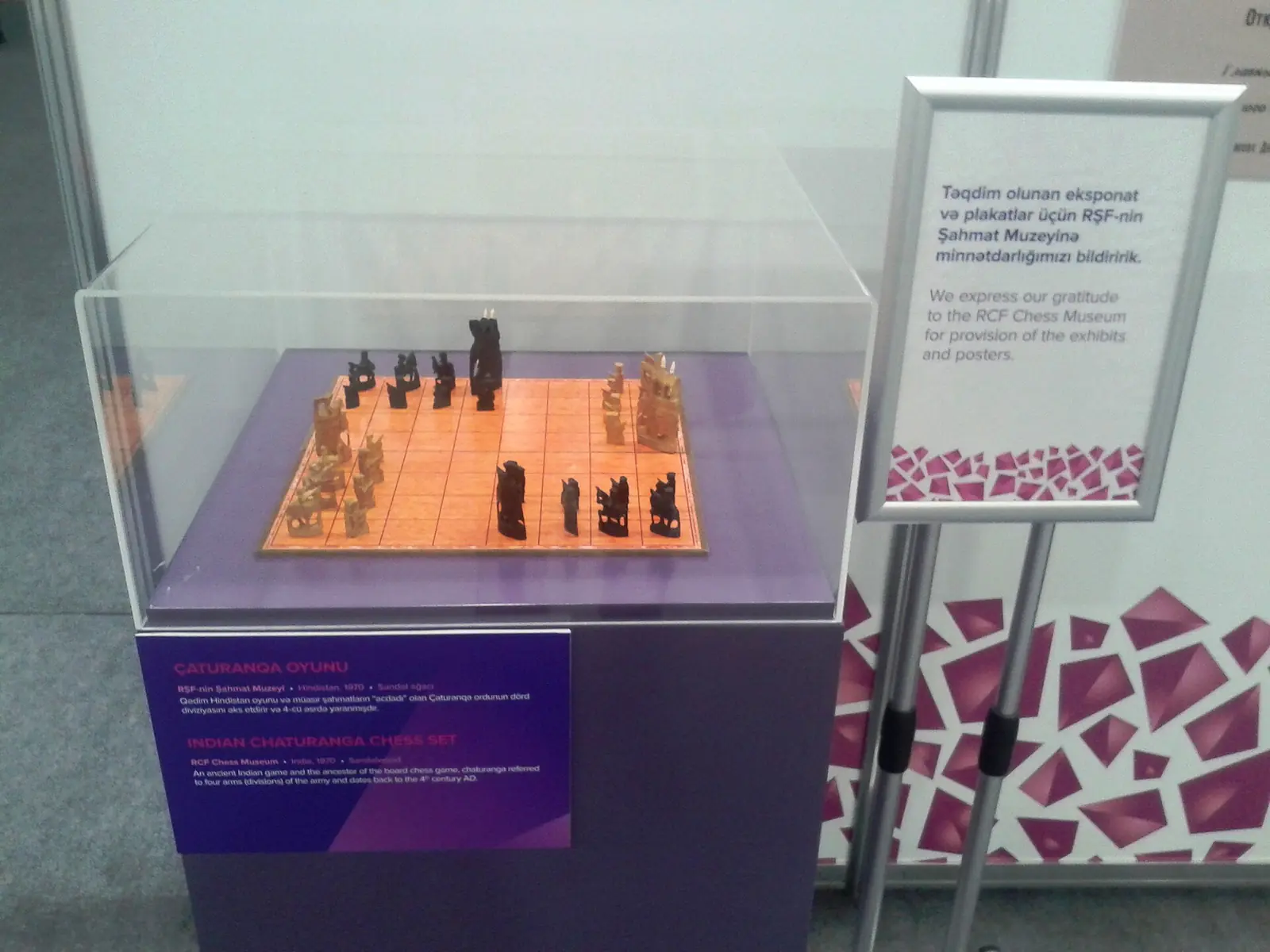
Chaturanga, “of four limbs”, was the Sanskrit name for an army: hasti, ashva, ratha and padati. The ashtapada, the 8 × 8 board, was used for older race-games before it carried this one. The game had a raja and his mantri, the minister who became the queen in Europe only around 1475. The elephant moved diagonally a short way, and the chariot, later the rook, moved straight. Al-Biruni in the 11th century also describes an Indian four-handed form played with dice.
02The written witnesses
Banabhatta’s Harshacharita, written at Harsha’s court in the 7th century, says that in Harsha’s peaceful reign the only “four-limbed” battles were on the board. The Middle Persian Wizarishn i Chatrang tells that a king of Hind sent the game to Khosrow I (r. 531–579) as a test of his sages, and that the Persian minister answered with nard, backgammon. Ferdowsi’s Shahnameh of 1010 repeats the account. The oldest chess pieces found so far, from Afrasiab near Samarkand, date to around the 8th century.
03The rival theories
A minority of scholars have argued that chess began in China or Central Asia, pointing to xiangqi or to Bactrian finds. Most historians of the game, from H. J. R. Murray’s History of Chess (1913) on, accept the Indian origin, because the Persian sources name India, the Persian and Arabic words chatrang and shatranj come from chaturanga, and the pieces are the four arms of an Indian army. The game reached Europe through Muslim Spain and Sicily by about the year 1000.
In the texts
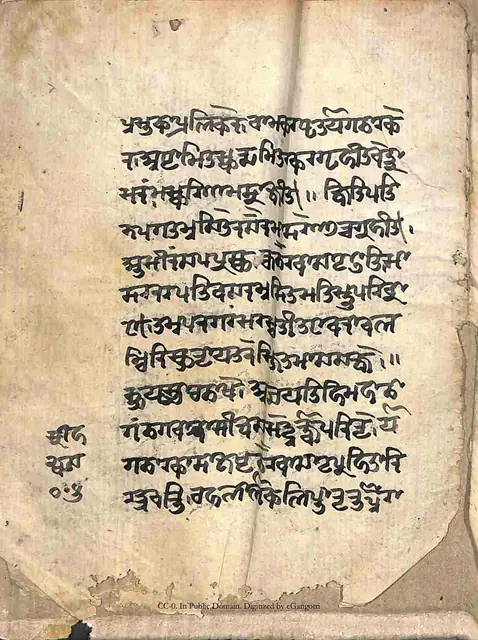
- Harshacharita of Banabhatta
- Wizarishn i Chatrang (Middle Persian)
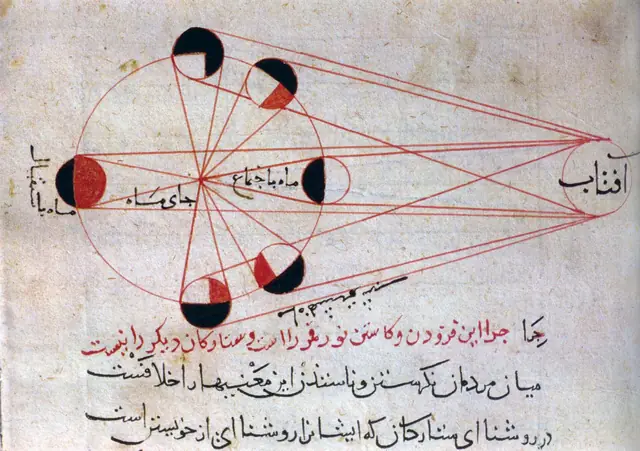
- Shahnameh of Ferdowsi