Cite
MLA
“Medicine for elephants and horses.” Hindu History, 2026, https://www.hinduhistory.in/vijnana/hastyayurveda-shalihotra/. Accessed .
APA
Hindu History. (2026). Medicine for elephants and horses. Retrieved , from https://www.hinduhistory.in/vijnana/hastyayurveda-shalihotra/
01Ashoka’s second edict
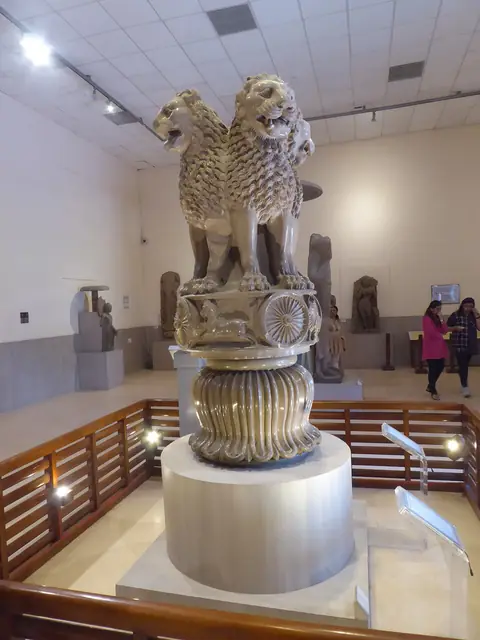
Ashoka’s second major rock edict, cut at Girnar, Kalsi, Shahbazgarhi and other sites, says that everywhere in his kingdom and among his neighbours two kinds of chikitsa were provided, for men and for animals. Where medicinal herbs for men and beasts were lacking, they were brought and planted, and wells were dug and trees planted along the roads for the use of animals and men. It is the oldest datable statement anywhere of state care for sick animals.
02Palakapya and the elephants
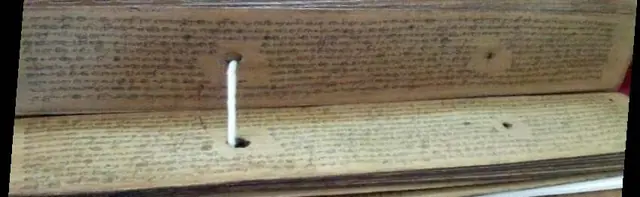
The Hastyayurveda is set as a dialogue in which the sage Palakapya, raised among elephants, answers King Romapada of Anga at Champa. In four sections and about 160 chapters it covers the elephant’s body, its diseases, surgery for wounds and abscesses, eye trouble, diet and the care of calves. The Arthashastra already has an officer for elephants and lays down that animal doctors travel with the army. The Anandashrama Press at Pune printed the Hastyayurveda in 1894, and mahouts and temple elephant keepers in Kerala still quote Palakapya.
03Shalihotra and the salotri
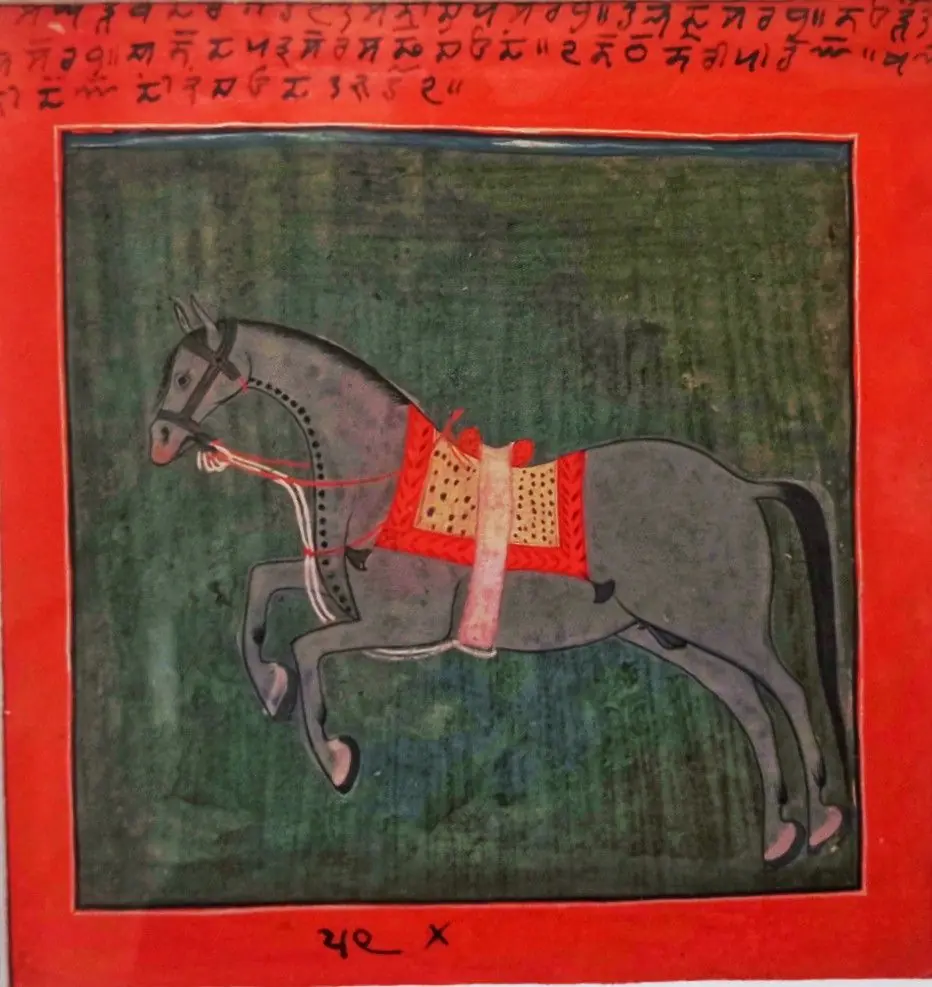
Shalihotra is the name given to the science of horses, after the sage said to have taught it. Treatises under his name, and later ones such as Nakula’s Ashvashastra and Jayadatta’s Ashvavaidyaka, describe breeds, marks, feeding, training and diseases. The work went into Persian as the Faras-nama under Bahmani and Mughal patrons, though the sources disagree on who translated which version. In Hindi a horse doctor is still a salotri, a word that comes from Shalihotra. A Chamba painting of about 1690 shows its chapters on equine ailments.
In the texts
- Hastyayurveda of Palakapya
- Shalihotra Samhita
- Ashvavaidyaka of Jayadatta