Cite
MLA
“Dams and lakes: Sudarshana and the Kallanai.” Hindu History, 2026, https://www.hinduhistory.in/vijnana/kallanai-sudarshana-dams/. Accessed .
APA
Hindu History. (2026). Dams and lakes: Sudarshana and the Kallanai. Retrieved , from https://www.hinduhistory.in/vijnana/kallanai-sudarshana-dams/
01The lake at Girnar
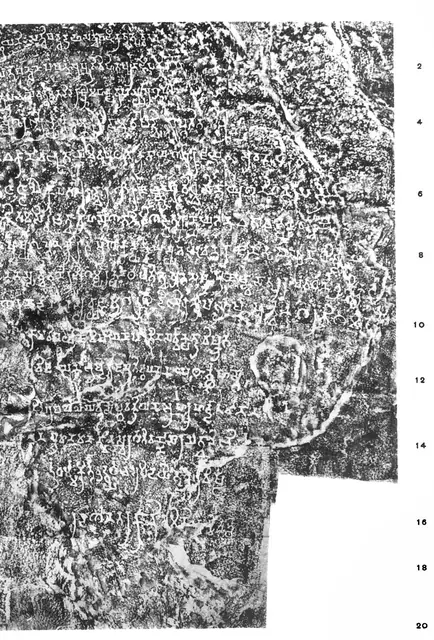
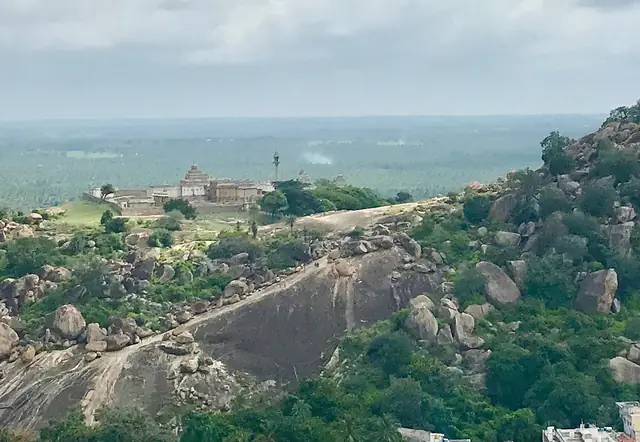
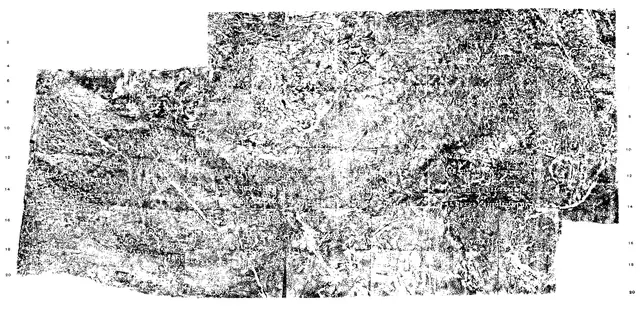
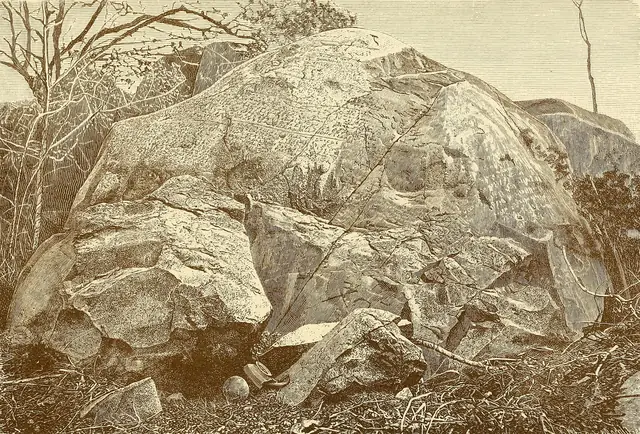
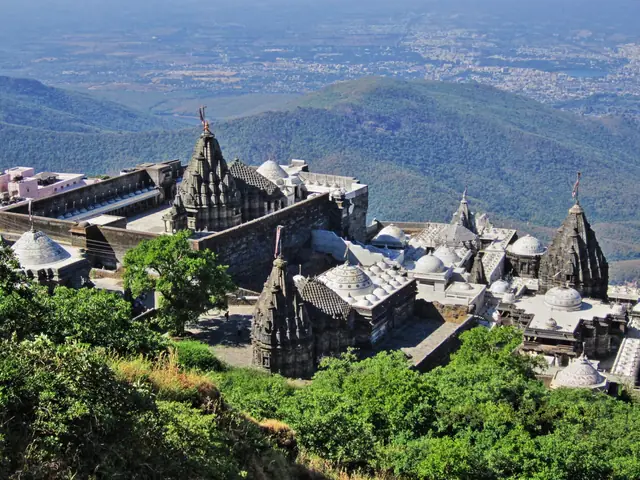
The same rock at Junagadh that carries Ashoka’s edicts also carries the Sanskrit inscription of the Shaka ruler Rudradaman, of the year 72, about 150 CE. It says the Sudarshana lake was made by Pushyagupta, governor of Chandragupta Maurya, and given conduits by the Yavana Tushaspha under Ashoka. A storm burst the dam; Rudradaman had it rebuilt three times stronger without forced labour or extra taxes, through his minister Suvishakha. A third inscription on the rock, of Skandagupta, records another breach and its repair by Chakrapalita in 456–457 CE.
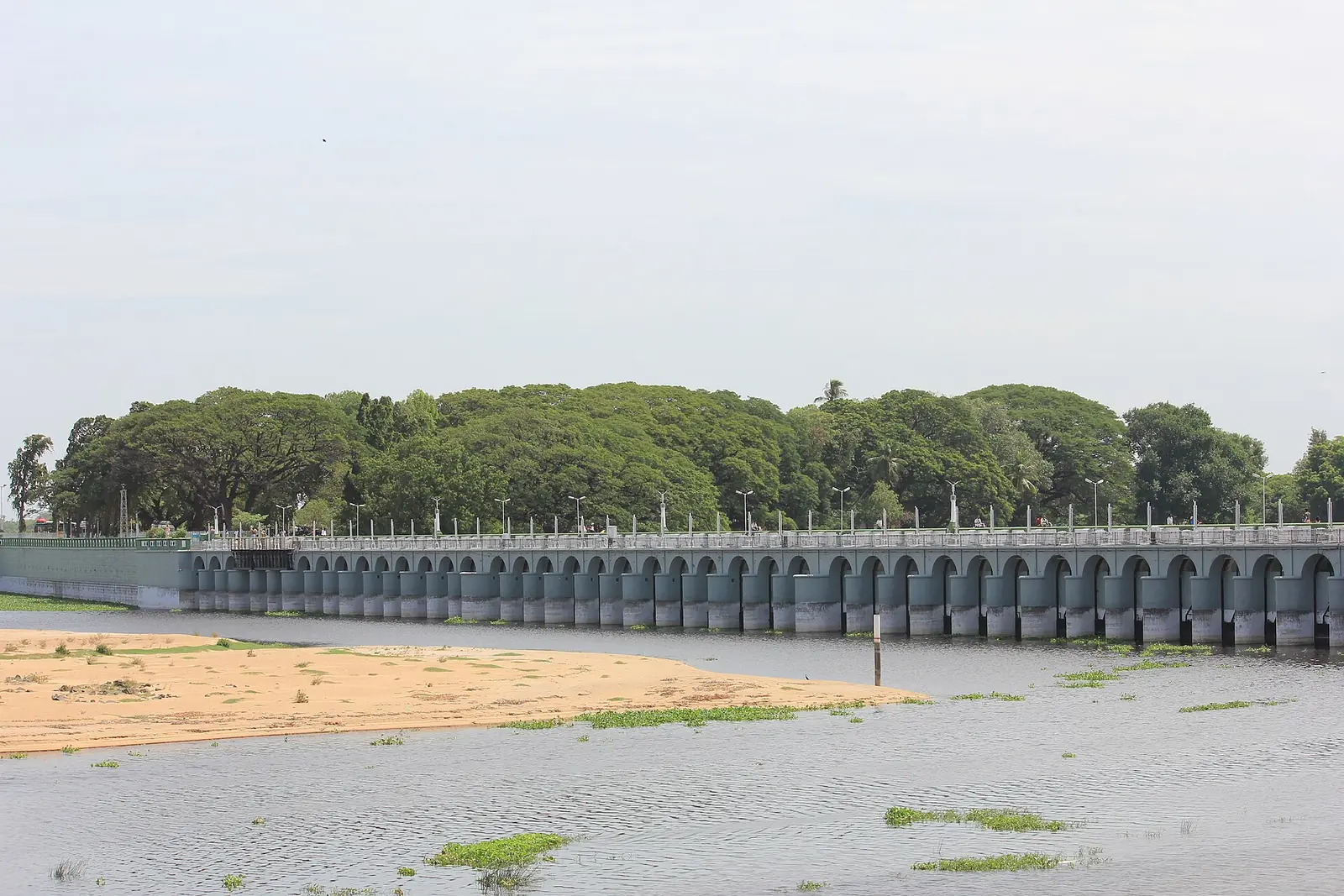
02The Kallanai on the Kaveri
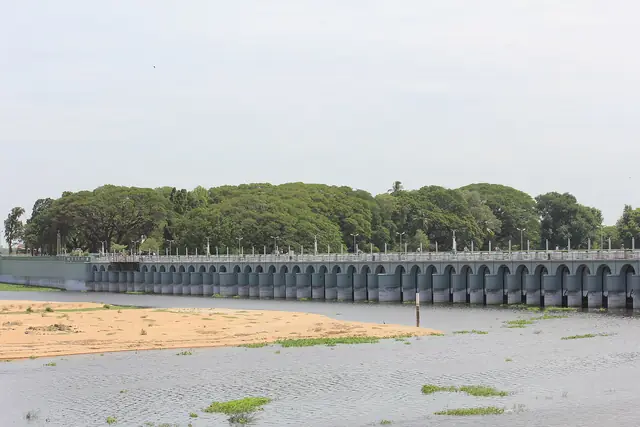
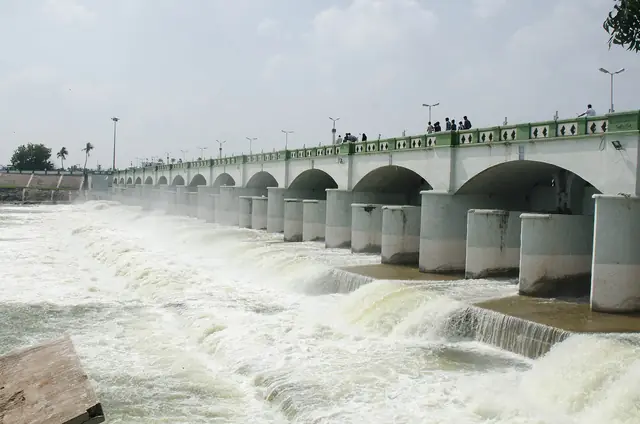
Near Tiruchirappalli the Kaveri splits, and a weir of unhewn stone runs across the main channel to send water into the delta. Tamil tradition and later Chola copper plates credit Karikala Chola with raising the banks of the Kaveri, and the Kallanai is held to be his work of the early centuries CE. Arthur Cotton studied it in the 1830s, admired how the old builders had set stones on a sandy bed, called it the Grand Anicut, and used the lesson for his own dams. The present structure was raised and refaced by British engineers in the 19th century.
03Tanks of the south
The larger story is the tank, eri in Tamil, kere in Kannada, a dammed hollow that holds monsoon water for the dry months. The Uttaramerur inscriptions of the Chola period set out how a village committee for tanks, the eri-variyam, was chosen and what it had to do. Tens of thousands of such tanks were built across the south. Dating the Kallanai precisely is hard, since it has been rebuilt so often; the Sudarshana inscriptions, by contrast, are among the best-documented engineering records of the ancient world.