Cite
MLA
“Mordant dyeing, indigo and chintz.” Hindu History, 2026, https://www.hinduhistory.in/vijnana/mordant-dyes-indigo-chintz/. Accessed .
APA
Hindu History. (2026). Mordant dyeing, indigo and chintz. Retrieved , from https://www.hinduhistory.in/vijnana/mordant-dyes-indigo-chintz/
01The chemistry of a fast red
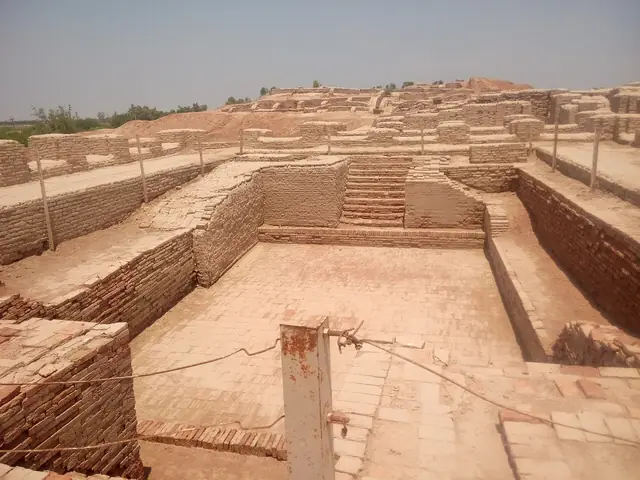
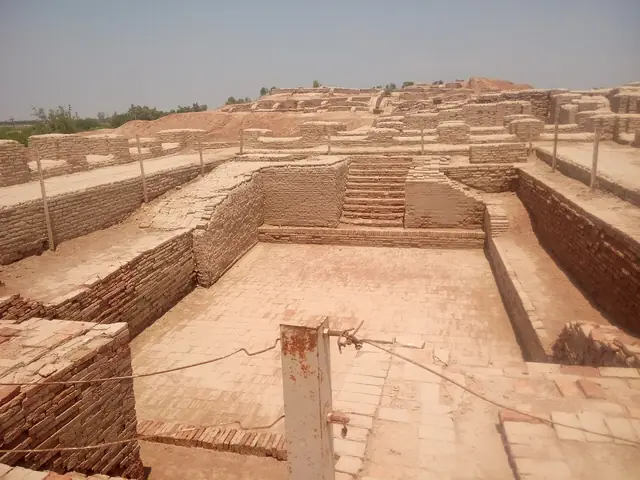
Cotton takes dye poorly. The answer was the mordant: cloth was treated with alum for red and with iron for black and purple, and then boiled in madder, manjishtha, or in the root of chay. The dye bonded to the metal and stayed. By painting different mordants onto one cloth with a kalam pen, or printing them with blocks, and then dyeing once, the craftsman got several colours from one bath. The cloth fragment on the silver vase at Mohenjo-daro was dyed with madder, which points to mordants already in use.
02Indigo, the blue of India
Indigo is made by fermenting the leaves of Indigofera in vats, beating the liquid to bring down the blue, and pressing it into cakes. The Greeks and Romans called it indikon, “the Indian”, and Pliny wrote of it. Sanskrit nila gave Arabic and Portuguese anil and, through it, the chemical name aniline. Under British rule indigo planters in Bengal forced ryots to grow it on bad terms, and the Indigo Revolt of 1859–60, with Dinabandhu Mitra’s play Neel Darpan, was one of the first mass protests against the Raj.
03Banned in Europe
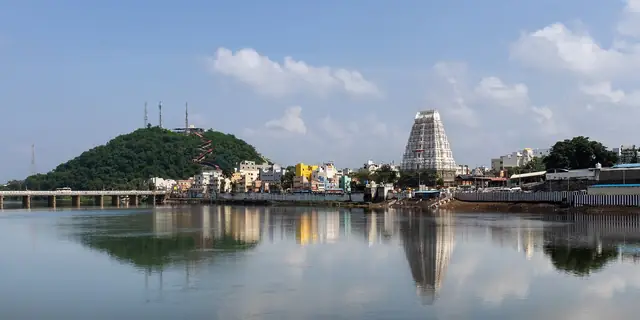
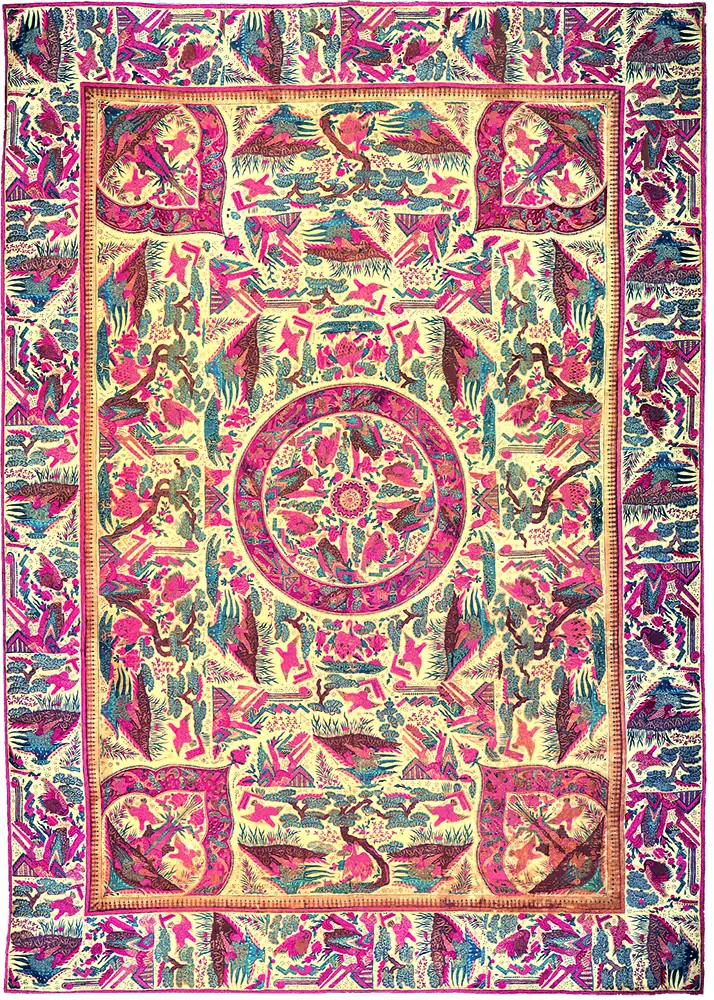
Painted and printed cottons from the Coromandel coast and Gujarat, chintz from Hindi chheent, became the rage of 17th-century Europe. Wool and silk weavers protested, and France banned their import and use from 1686 to 1759; England passed Calico Acts in 1700 and 1721. In 1742 the French Jesuit Gaston-Laurent Coeurdoux wrote down the method from dyers at Pondicherry, and European printworks learned to imitate it. Kalamkari of Srikalahasti and Machilipatnam keeps the old process alive.