Cite
MLA
“Cotton, the charkha and the roller gin.” Hindu History, 2026, https://www.hinduhistory.in/vijnana/cotton-spinning-and-gin/. Accessed .
APA
Hindu History. (2026). Cotton, the charkha and the roller gin. Retrieved , from https://www.hinduhistory.in/vijnana/cotton-spinning-and-gin/
01The earliest cotton
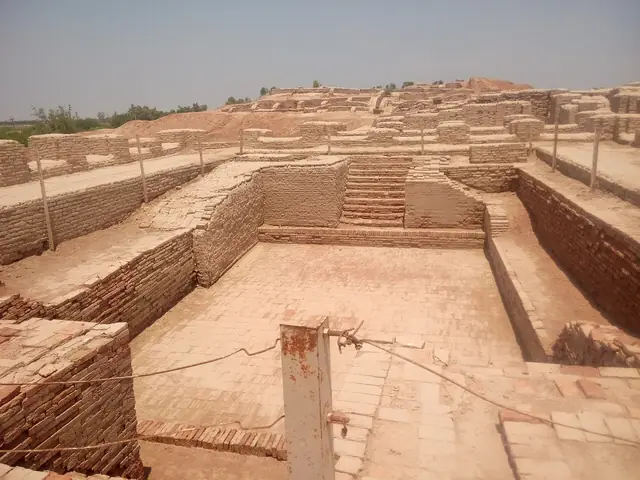
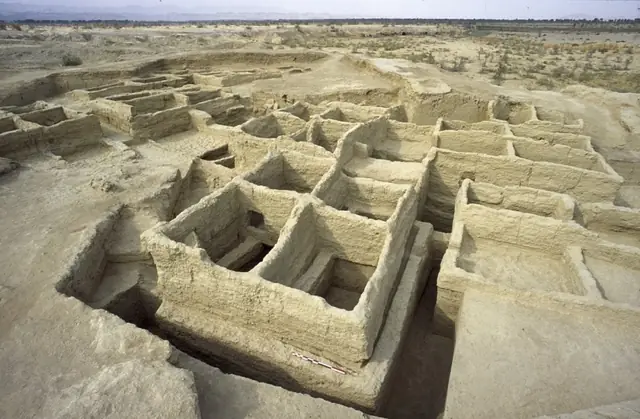
In a Mehrgarh grave of the 6th millennium BCE, cotton threads survived inside a copper bead because the copper salts mineralised them; Christophe Moulherat and colleagues published the find in 2002. At Mohenjo-daro, John Marshall’s team found cotton cloth stuck to a silver vase, dyed with madder. Herodotus in the 5th century BCE wrote that in India trees bear a wool finer than a sheep’s. The Rigveda speaks of the weaver’s loom and thread, and cotton is karpasa in Sanskrit, the root of Greek karpasos and later words.
02Gin and wheel
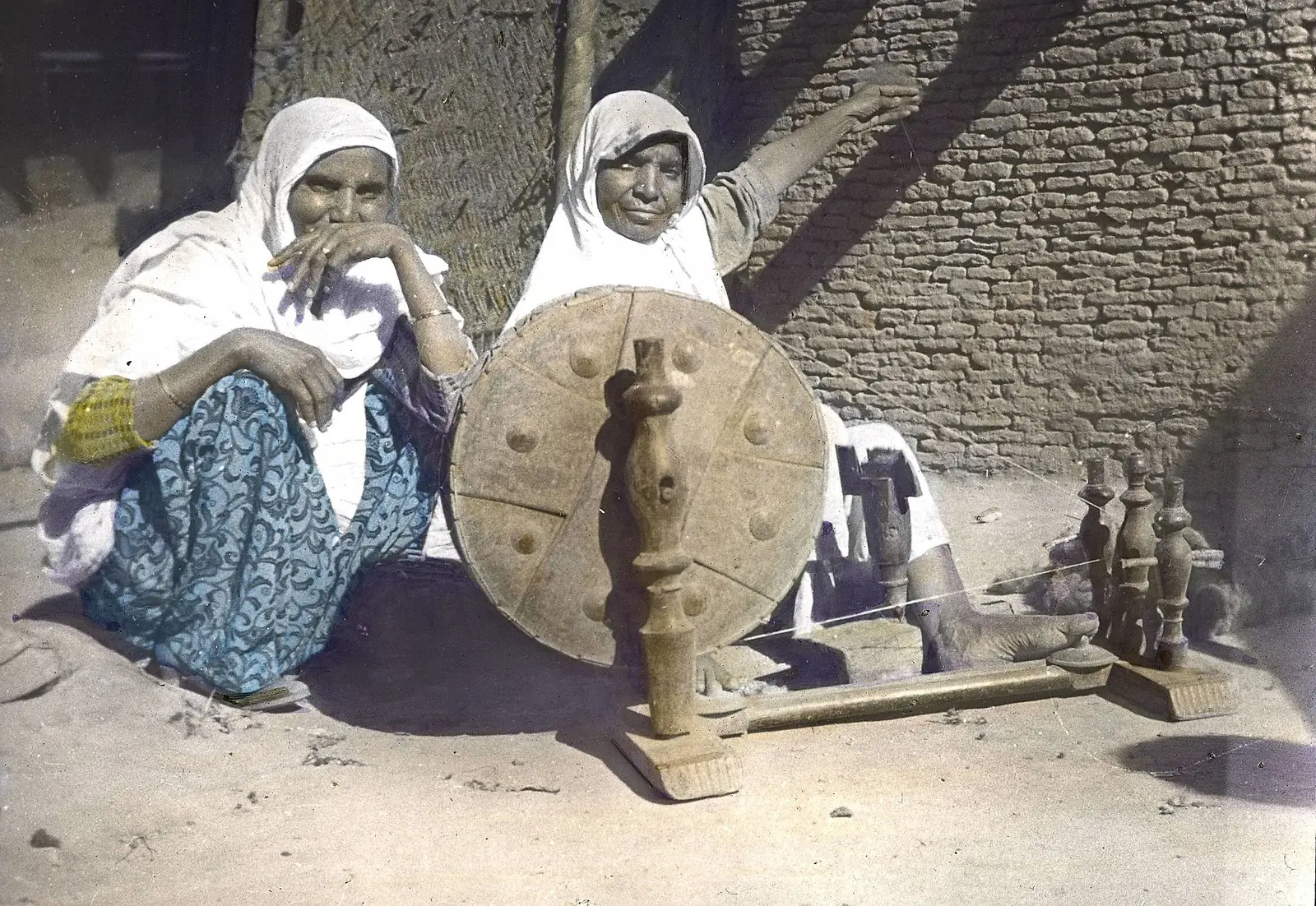
Seeds must be pulled from the fibre before spinning. Indians long did it by rolling an iron rod over the cotton on a flat stone. The charkhi, a two-roller gin turned by a crank, with a worm gear in its developed form, was in use in India by the 13th–14th centuries, as Irfan Habib has shown, and it handled long-staple cotton well. Eli Whitney’s saw gin of 1793 was a different machine, made for the short-staple cotton of America. The spinning wheel probably came into India from the Islamic world around the 13th century; before that, Indian spinners used the hand spindle, takli, to make the finest yarn in the world.
03Woven air
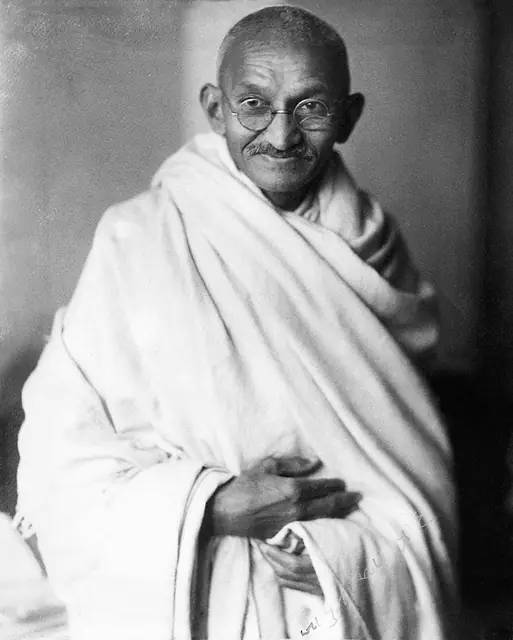
The muslin of Dhaka was so fine it was called abrawan, running water, and woven air in English. Indian cotton went to Rome, to the Swahili coast and to Southeast Asia, and from the 17th century it flooded Europe. The collapse of Indian hand-weaving under British machine competition and tariffs in the 19th century is one of the best-documented economic changes of colonial rule. Gandhi made the charkha the flag of swadeshi, and khadi was spun for the freedom movement.
In the texts
- Rigveda (images of warp and weft)