Cite
MLA
“Vrikshayurveda: the Ayurveda of trees.” Hindu History, 2026, https://www.hinduhistory.in/vijnana/vrikshayurveda-plant-science/. Accessed .
APA
Hindu History. (2026). Vrikshayurveda: the Ayurveda of trees. Retrieved , from https://www.hinduhistory.in/vijnana/vrikshayurveda-plant-science/
01Two main texts
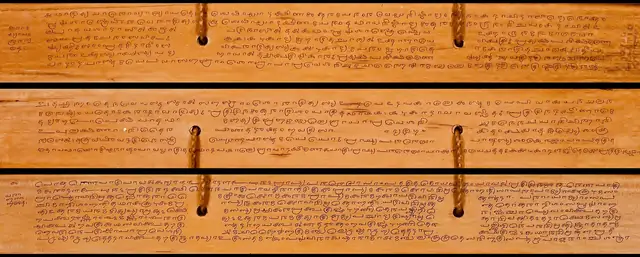
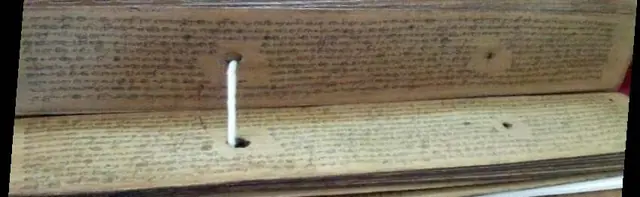
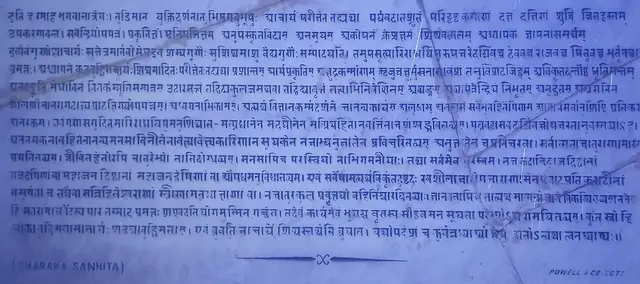
Chapter 55 of Varahamihira’s Brihat Samhita, of the 6th century, is called Vrikshayurveda. It tells which trees to plant near a house, when to transplant, how far apart to set them, and how to treat a tree that fails to flower. Surapala’s Vrikshayurveda, of about 1000 CE, survives in a single manuscript in the Bodleian Library and runs to some 325 verses. It covers soils, seed treatment, propagation by cuttings and grafting, watering by season, protection from frost and pests, and garden design.
02Kunapa jala
The best-known recipe is kunapa jala, made by boiling animal waste such as fish, bone marrow and flesh with water, adding sesame oil cake, honey and milk, and leaving it to ferment. It is a liquid manure rich in nitrogen. Agricultural universities and organic farmers in Bharat have revived it, with plant-based versions for vegetarian farmers, and field trials have reported improved growth in some crops. Surapala also describes making plants bear out of season and changing flower colour, which belong more to the garden lore of courts than to tested science.
03The wider tradition
Plant knowledge runs through the older texts too: the Arthashastra on seed treatment and crop seasons, the Agni Purana’s chapter on trees, the Charaka Samhita’s hundreds of named medicinal plants. Chakrapani Mishra’s Vishvavallabha of the 16th century, written in Mewar, adds water-finding and orchard care. The English translations by Nalini Sadhale for the Asian Agri-History Foundation in the 1990s opened these texts to agricultural scientists.
In the texts
- Vrikshayurveda of Surapala
- Brihat Samhita, ch. 55
- Vishvavallabha of Chakrapani Mishra