Cite
MLA
“Wootz: the crucible steel of the south.” Hindu History, 2026, https://www.hinduhistory.in/vijnana/wootz-crucible-steel/. Accessed .
APA
Hindu History. (2026). Wootz: the crucible steel of the south. Retrieved , from https://www.hinduhistory.in/vijnana/wootz-crucible-steel/
01Cakes of steel
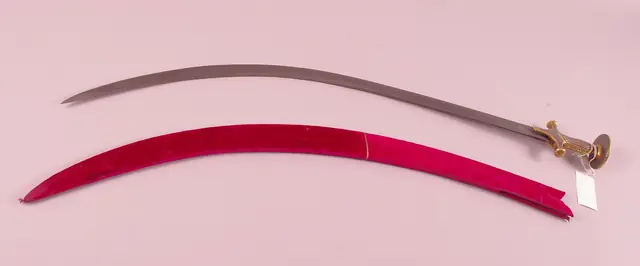
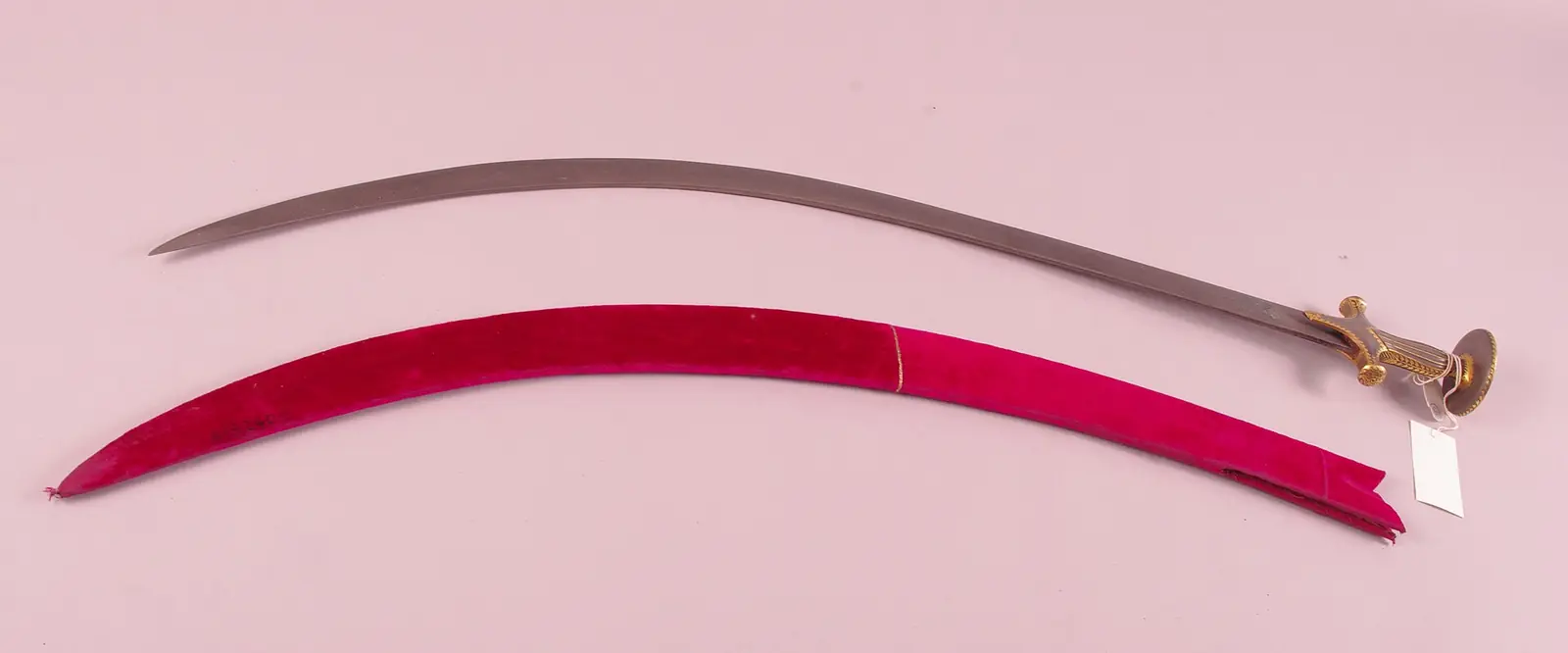
The method was to pack wrought iron with wood or leaves in a small closed crucible, heat it for hours in a furnace until the iron absorbed carbon and melted, and let it cool slowly. The result was a cake of about a kilogram with around 1.5 per cent carbon. Hammered with great care at low heat, it showed a wavy pattern of carbide bands, the jauhar, and held a very hard edge. The English word wootz is a misreading of ukku, the Kannada and Telugu word for steel.
02Kodumanal and the Royal Society
Excavations at Kodumanal near Erode, a craft town on an old route to the west coast, found crucible fragments with steel residues from the last centuries BCE, and crucible sites are known at Mel-siruvalur and in Telangana. Sri Lanka had its own early crucible steel and wind-blown furnaces at Samanalawewa, reported by Gill Juleff in Nature in 1996, so the craft belonged to the whole south. In 1795 George Pearson analysed samples sent by Helenus Scott from Bombay for the Royal Society, and Michael Faraday experimented on wootz in 1819.
03To Damascus and back to the lab
The Arab philosopher al-Kindi in the 9th century wrote about Indian swords and Indian steel, and medieval Persian and Arab smiths forged imported cakes into the blades Europeans met in the Crusades and called Damascus steel. The craft died out in the 19th century as cheap British steel arrived, and for a long time no one could make the pattern again. In 2006 a German team reported carbon nanotubes in a 17th-century Damascus sabre (Nature 444); how they formed is still being studied, and the site will not claim more than that report says.