Cite
MLA
“Yoga as a discipline: Patanjali’s sutras.” Hindu History, 2026, https://www.hinduhistory.in/vijnana/yoga-sutra-discipline/. Accessed .
APA
Hindu History. (2026). Yoga as a discipline: Patanjali’s sutras. Retrieved , from https://www.hinduhistory.in/vijnana/yoga-sutra-discipline/
01A method in four padas
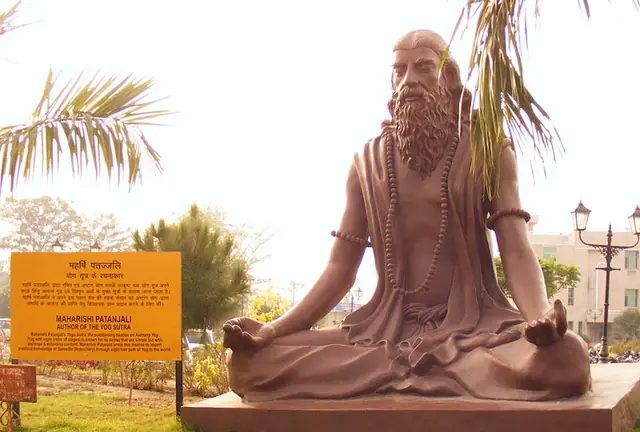
Yogash chitta-vritti-nirodhah, sutra 1.2: yoga is the stilling of the movements of the mind. The four padas, Samadhi, Sadhana, Vibhuti and Kaivalya, lay out a practical course. Sadhana Pada gives the ashtanga, the eight limbs: yama, niyama, asana, pranayama, pratyahara, dharana, dhyana and samadhi. Asana here is simply sthira-sukham (2.46), a seat that is steady and easy; the long lists of postures belong to later texts. The commentary called the Vyasa Bhashya is read with the sutras as one work.
02From al-Biruni to the UN
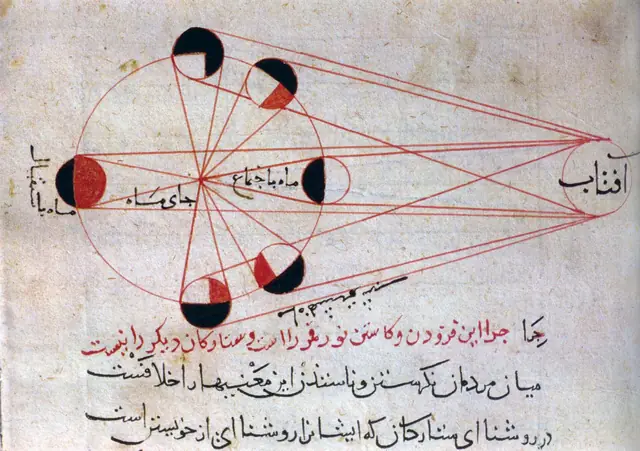
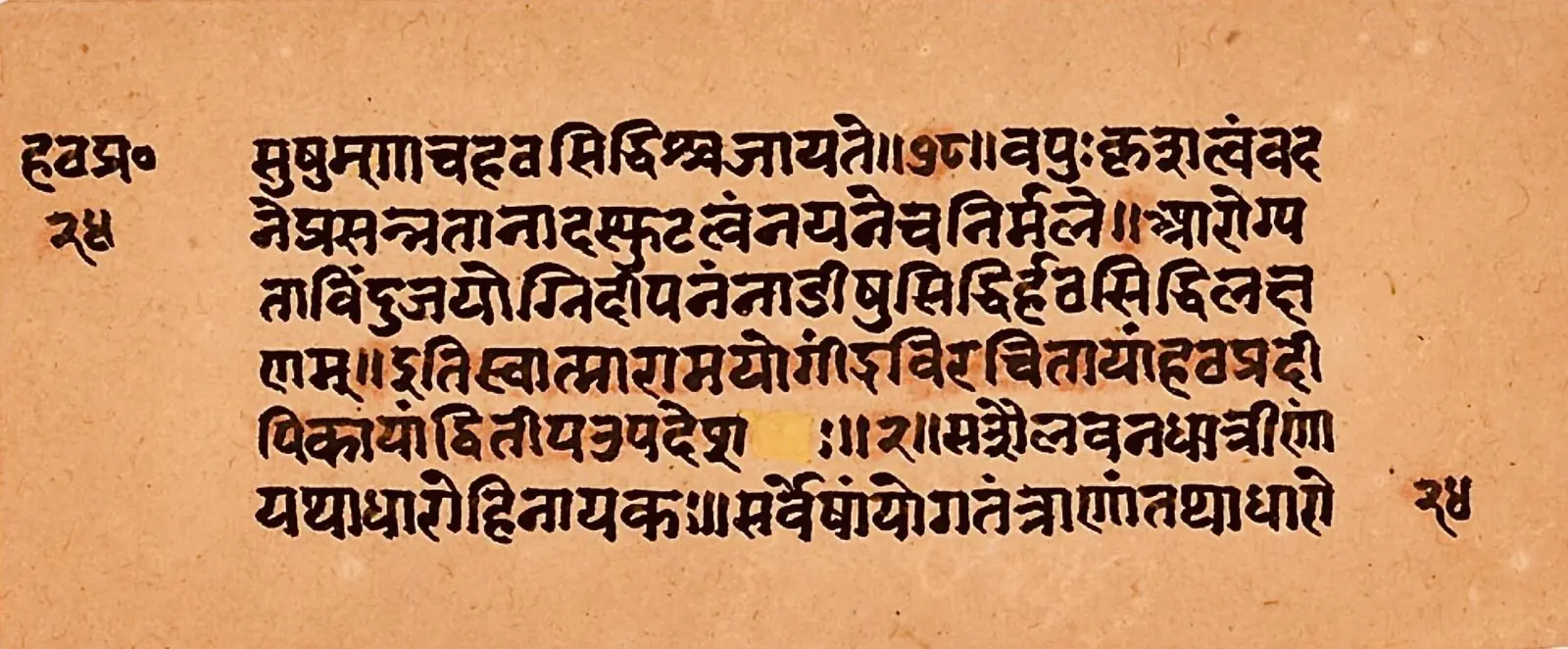
Al-Biruni translated the Yoga Sutra into Arabic as the Kitab Patanjal in the early 11th century, with a commentary, and quotes it in his book on India; a manuscript of it was found in Istanbul and published in the 20th century. Raja Bhoja of Dhara wrote the Rajamartanda commentary. Svatmarama’s Hatha Yoga Pradipika of the 15th century adds asana, mudra and pranayama in detail. In 2014 the UN General Assembly declared 21 June the International Day of Yoga, first kept in 2015, and UNESCO listed yoga as intangible heritage in 2016.
03What is studied today
Yoga is now studied in clinical trials for back pain, blood pressure and anxiety, with results that are often positive but modest, and researchers say many trials are small. The honest claim is that yoga as Patanjali defines it is a discipline of the mind, and that its physical practice has measurable benefits for some conditions. The site will not call it a cure-all. The question of whether Patanjali the yogi and Patanjali the grammarian are one person is old and unsettled; tradition holds they are.
In the texts
- Yoga Sutra with Vyasa Bhashya
- Rajamartanda of Bhoja
- Hatha Yoga Pradipika of Svatmarama