Cite
MLA
“Sister Nivedita.” Hindu History, 2026, https://www.hinduhistory.in/people/sister-nivedita/. Accessed .
APA
Hindu History. (2026). Sister Nivedita. Retrieved , from https://www.hinduhistory.in/people/sister-nivedita/
Life in moments
- 011867
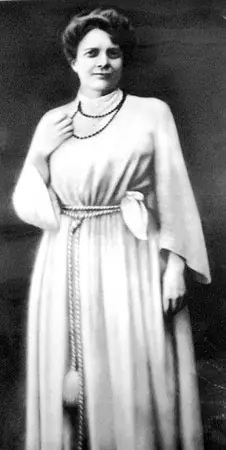
Born Margaret Noble at Dungannon, Ireland, in 1867
- 021895
First heard Swami Vivekananda in London in 1895
- 031898
Given the name Nivedita on 25 March 1898
- 041898
Opened her girls’ school at Bagbazar in November 1898
- 051911
Died at Darjeeling in 1911
01From Dungannon to Bagbazar
Margaret Elizabeth Noble was born at Dungannon in Ireland and ran a school of her own in Wimbledon. In November 1895 she went to hear a Hindu monk speak in a London drawing room, and kept going. Swamiji told her India needed women who would work for its women. She landed in Calcutta on 28 January 1898 and on 25 March he gave her brahmacharya and the name Nivedita. Sri Sarada Devi received her as a daughter. In November 1898 she opened a school for girls in a small house at 16 Bosepara Lane, Bagbazar, going from door to door to persuade families to send their daughters.
02Plague, books and Swadeshi
When plague struck Calcutta in 1899 she cleaned the lanes of north Calcutta with her own hands and nursed the dying. She wrote The Web of Indian Life, Kali the Mother and a book of Hindu and Buddhist kathas with Ananda Coomaraswamy, and she championed Jagadish Chandra Bose’s research and the painters of the Bengal school. After Swamiji’s death she gave herself openly to the national cause, worked with Sri Aurobindo, and drew a design for a national flag with the vajra at its centre. She died at Darjeeling on 13 October 1911. Her memorial there reads: Here reposes Sister Nivedita who gave her all to India.