01A Gupta daughter in the Deccan
The marriage tied the Gupta empire to the Vakatakas, who held the Deccan south of the Narmada, at the time Chandragupta II was moving against the Shaka Kshatrapas of Malwa and Gujarat. Rudrasena II died after a short reign, and Prabhavatigupta ruled as regent for her son Divakarasena. Her Poona plates, issued from the Vakataka capital Nandivardhana in the thirteenth year of that regency, open with the genealogy of her father’s house, the Guptas, before naming her husband’s. In excavations at Nagardhan near Ramtek, the site of Nandivardhana, archaeologists of Deccan College found a clay sealing bearing her name.
02At the feet of Ramagiri
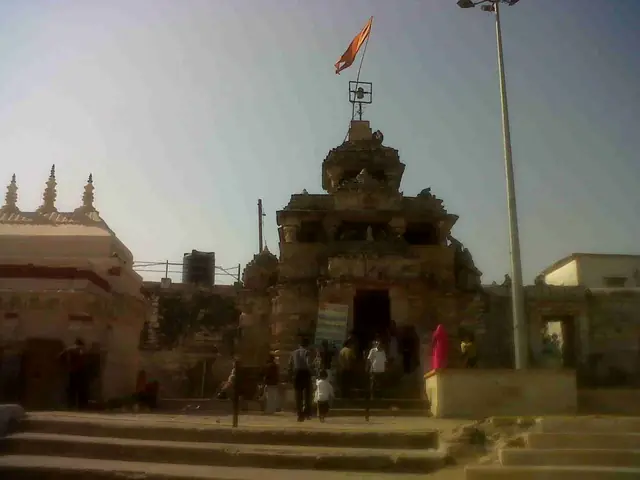
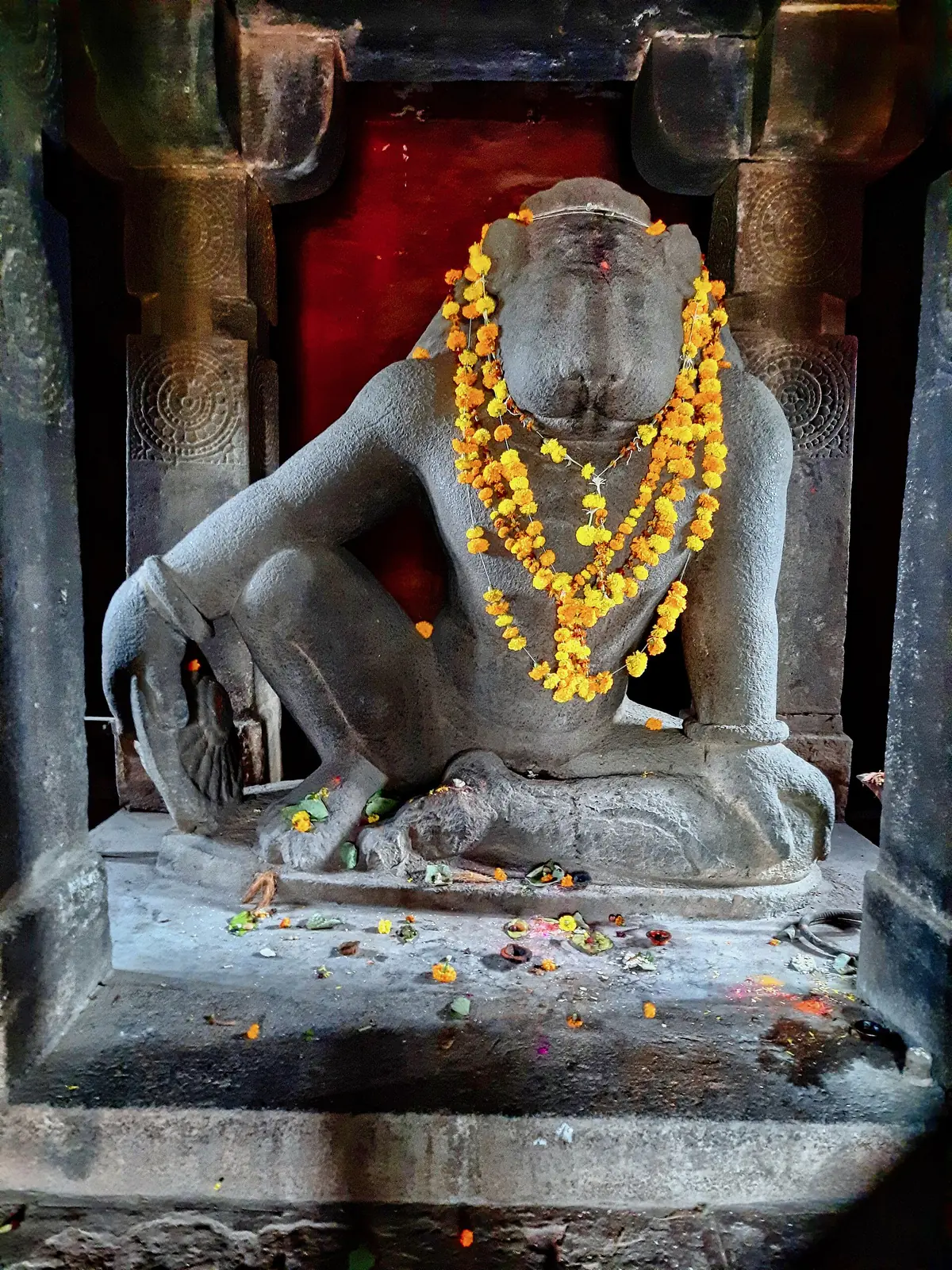
Her inscriptions call her a devoted worshipper of Bhagavat, that is Vishnu. Her later Riddhapur plates, issued when her son Pravarasena II was on the throne, were granted from the feet of the Lord of Ramagiri, the hill now called Ramtek, where Vakataka-age temples of Vishnu, among them the Kevala Narasimha shrine, still stand. Pravarasena II is remembered as the author of the Prakrit poem Setubandha on Shri Rama’s bridge to Lanka. Prabhavatigupta’s grants are rare direct records of a woman governing a major Indian kingdom.