Cite
MLA
“Madam Bhikaiji Cama.” Hindu History, 2026, https://www.hinduhistory.in/people/bhikaiji-cama/. Accessed .
APA
Hindu History. (2026). Madam Bhikaiji Cama. Retrieved , from https://www.hinduhistory.in/people/bhikaiji-cama/
Life in moments
- 011861
Born in Bombay in 1861
- 021896
Nursed plague victims in Bombay in 1896 and fell ill
- 031907
Unfurled a flag of India at Stuttgart on 22 August 1907
- 04
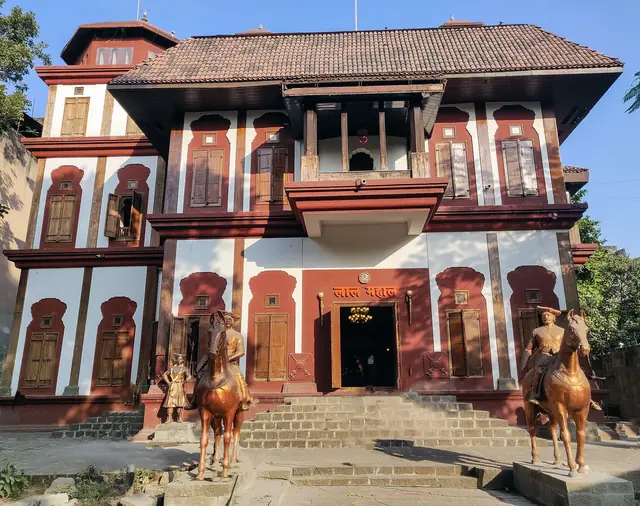
Her Stuttgart flag is kept at the Kesari Maratha library, Pune
- 051935
Returned to India in 1935 and died in Bombay in 1936
01Plague and exile
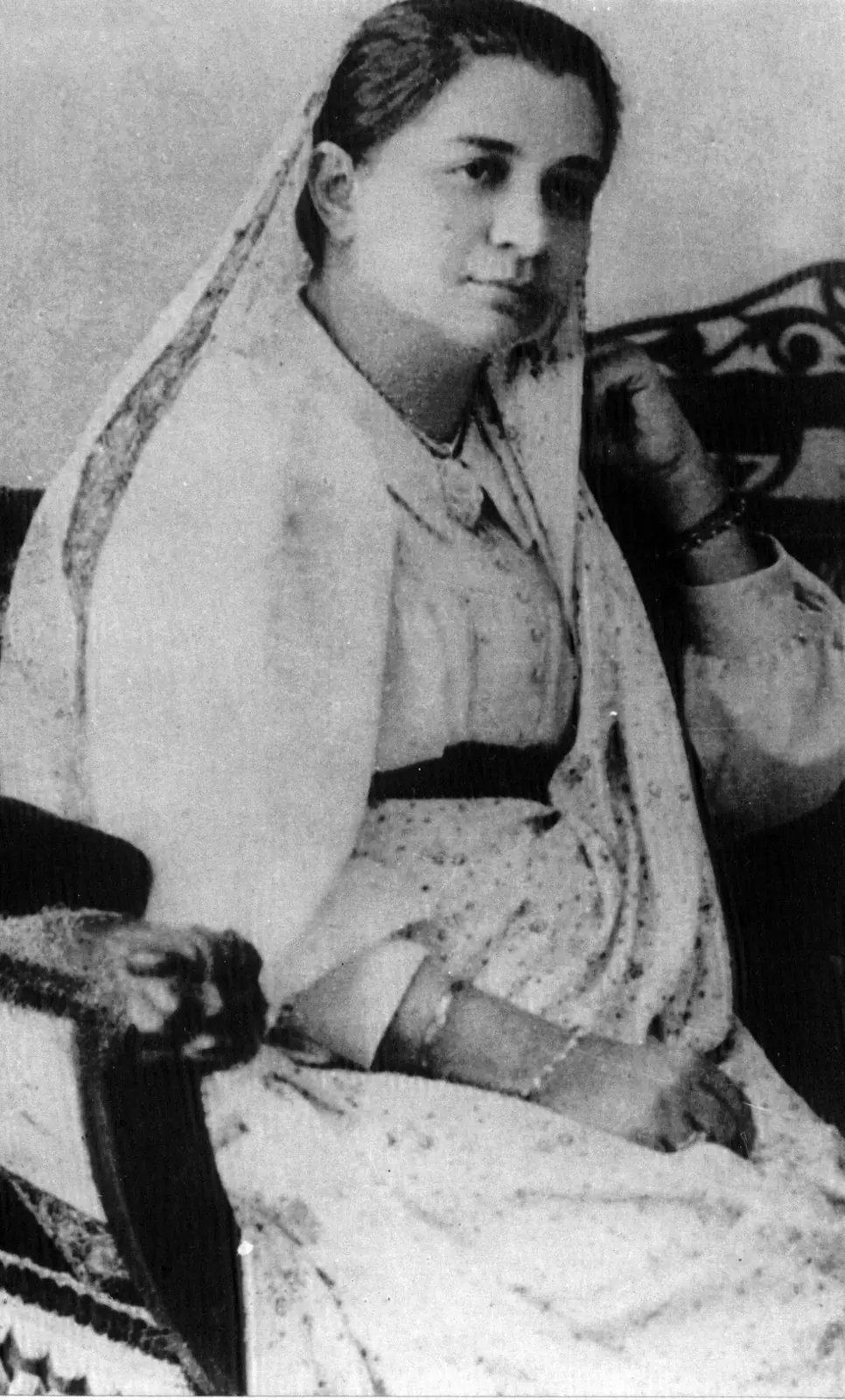
Bhikaiji Patel was born in Bombay into a wealthy Parsi family and married the lawyer Rustom Cama in 1885. When bubonic plague struck Bombay in 1896 she worked among the sick and caught it herself. Sent to Europe in 1902 to recover, she was barred from coming home unless she gave up politics, which she would not do. In London she joined Dadabhai Naoroji, and then Shyamji Krishna Varma’s India House circle with Savarkar. From 1909 she lived in Paris, printing the paper Bande Mataram and smuggling it and revolvers into India.
02Stuttgart, 22 August 1907
At the International Socialist Congress in Stuttgart she rose to speak of famine and British rule in India and unfurled a flag of three bands, green, saffron and red, with eight lotuses for the provinces, the sun and the crescent moon, and Vande Mataram written across the middle in Devanagari. She asked the delegates to stand and salute it. That flag, carried back to India, is kept at the Kesari Maratha library in Pune. After the First World War the French held her under watch. She came home only in 1935, old and ill, and died in Bombay in 1936.