Cite
MLA
“Marathi.” Hindu History, 2026, https://www.hinduhistory.in/lipi/marathi-language/. Accessed .
APA
Hindu History. (2026). Marathi. Retrieved , from https://www.hinduhistory.in/lipi/marathi-language/
माझा मराठाचि बोलु कौतुकें । परि अमृतातेंही पैजां जिंके ।
mājhā marāṭhāci bolu kautukeṃ, pari amṛtāteṃhī paijāṃ jiṃke
01Stones and the first books
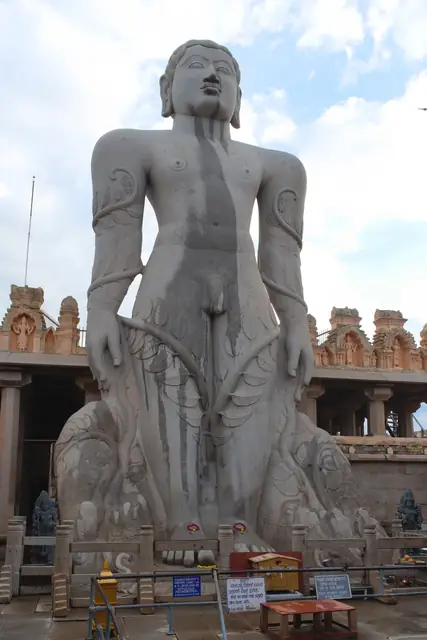
Marathi first shows itself on stone in the Shilahara inscriptions of the Konkan, and in a short line at the foot of the Gommateshvara statue at Shravanabelagola naming the men who had the work done. The Mahanubhava sect made Marathi its scriptural language; the Lilacharitra, compiled around 1278, records the life of its founder Chakradhar Swami in plain prose, the first book of Marathi prose that survives.
02Jnaneshwari and the Varkaris
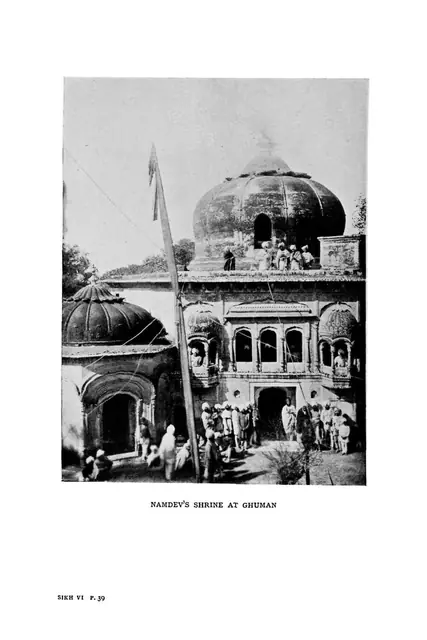
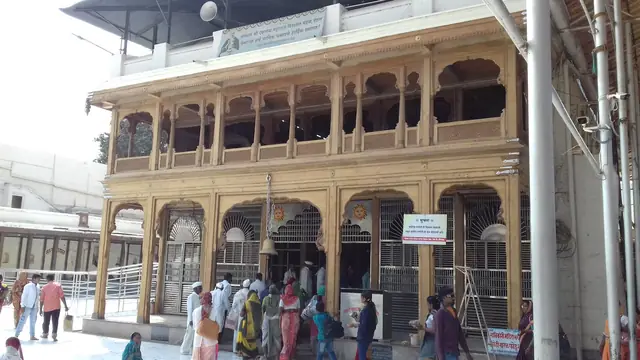
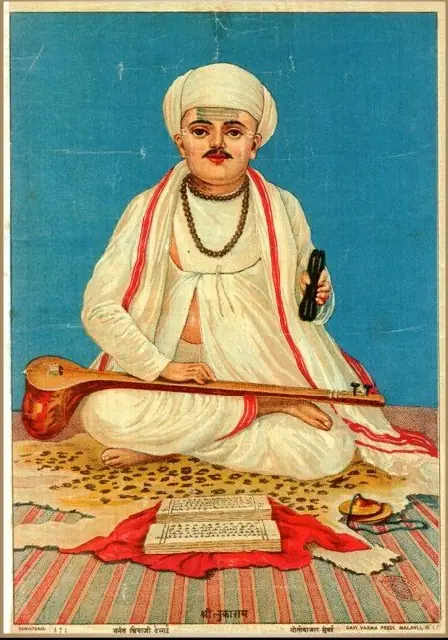
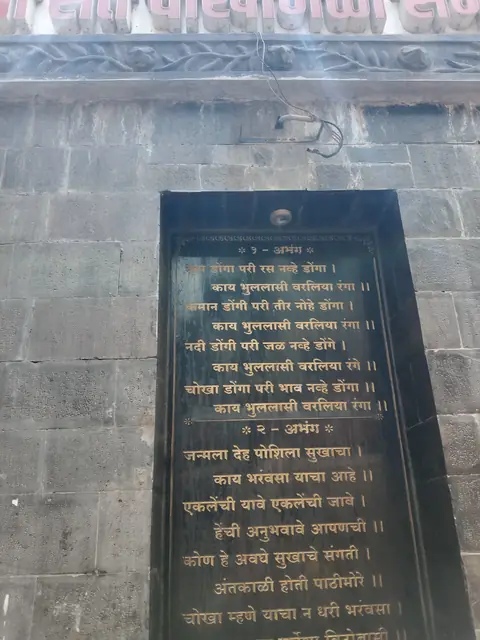
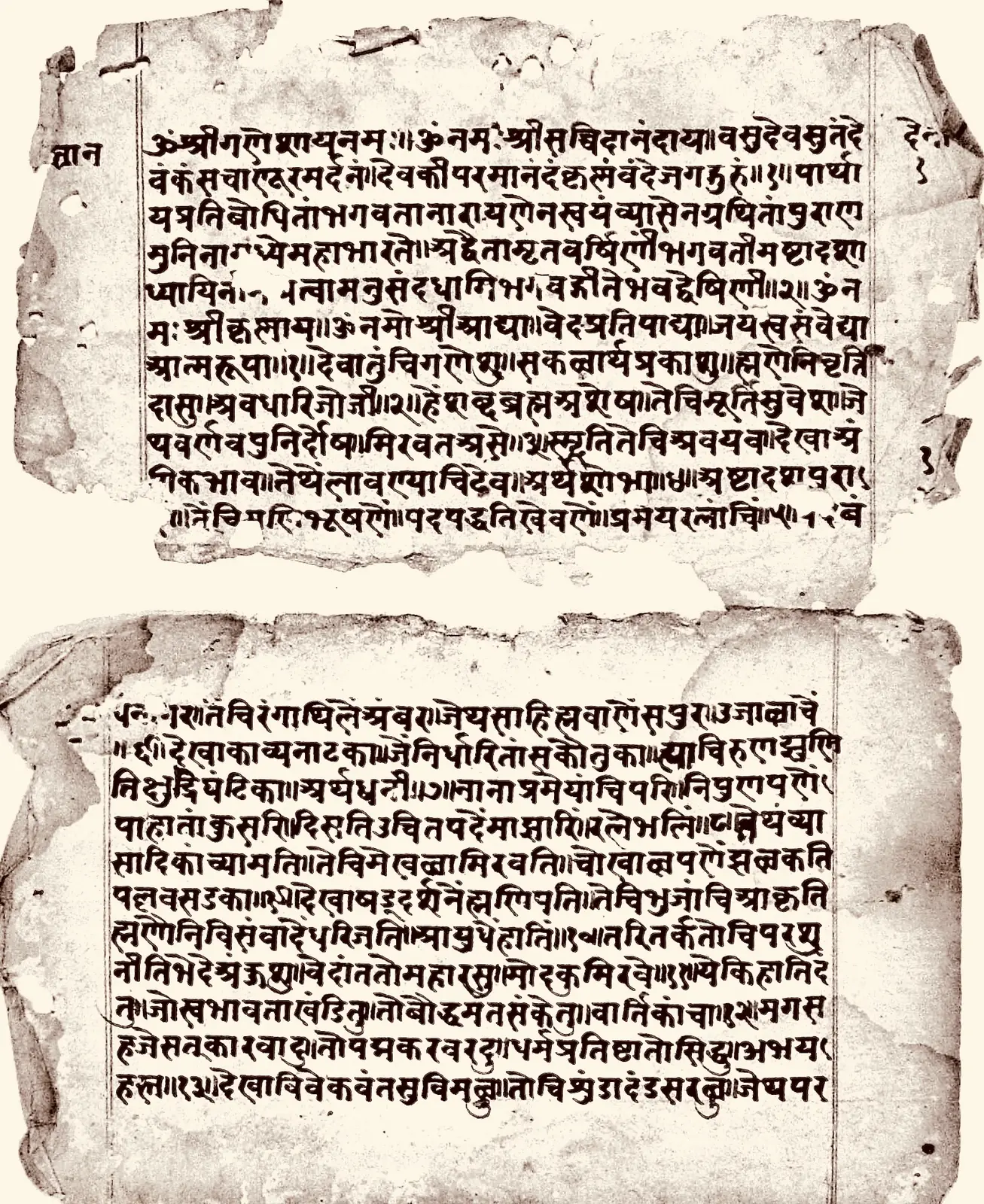
In 1290, at Nevasa on the Pravara, the young Jnaneshwar explained the Bhagavad Gita in Marathi ovis, nine thousand of them; the work is the Jnaneshwari, or Bhavartha Dipika. He declared that his Marathi would win a wager even against amrit. After him came Namdev, Eknath, who prepared a corrected text of the Jnaneshwari in 1584, and Tukaram, whose abhangas are sung by lakhs of Varkaris walking to Pandharpur every Ashadhi Ekadashi.
03Language of Swarajya
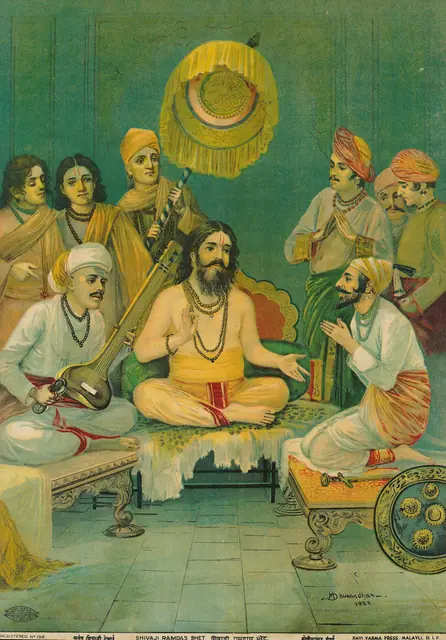
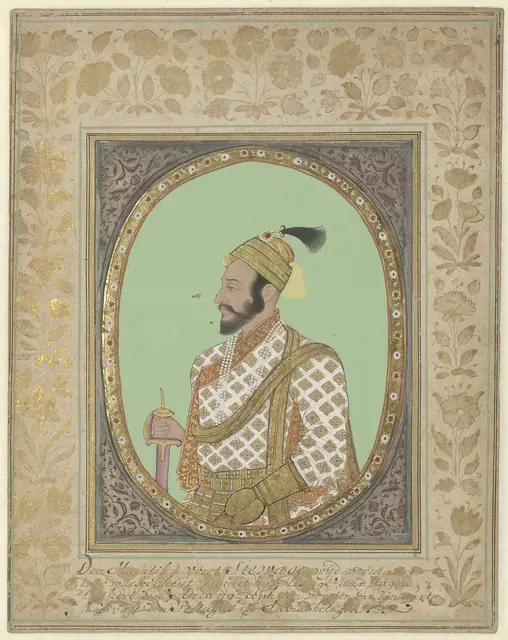
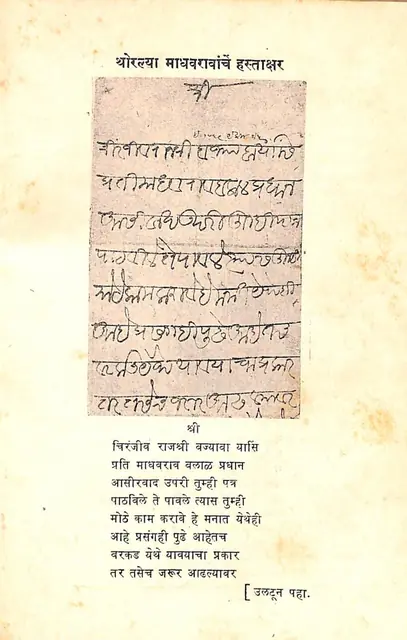
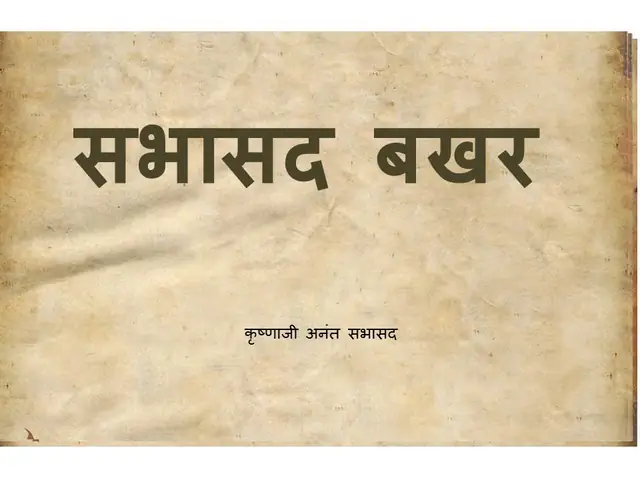
Chhatrapati Shivaji Maharaj had a dictionary of administration, the Rajavyavaharakosha, prepared so that Persian terms in government could be replaced with Sanskrit and Marathi ones. Bakhars, the Maratha chronicles, were written in Marathi prose, and the Maratha state’s records fill the archives of Pune. Samarth Ramdas’s Dasbodh and Manache Shlok taught discipline and devotion in the same plain language, and his Hanuman temples across the Krishna valley became centres of physical training.
04Today
Marathi is the official language of Maharashtra and is also used for official purposes in Goa. It was declared a classical language in October 2024. Marathi Bhasha Din is kept on 27 February, the birthday of the poet Kusumagraj. The 2011 Census counted 8,30,26,680 Marathi speakers, the third largest number in India. Marathi theatre, natya sangeet and the Diwali issues of magazines, the Diwali ank, remain strong traditions.