Cite
MLA
“Grantha.” Hindu History, 2026, https://www.hinduhistory.in/lipi/grantha-script/. Accessed .
APA
Hindu History. (2026). Grantha. Retrieved , from https://www.hinduhistory.in/lipi/grantha-script/
01Sanskrit in the Tamil land
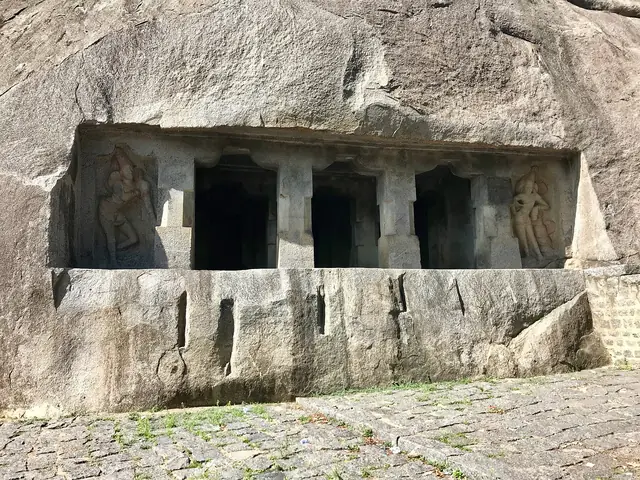
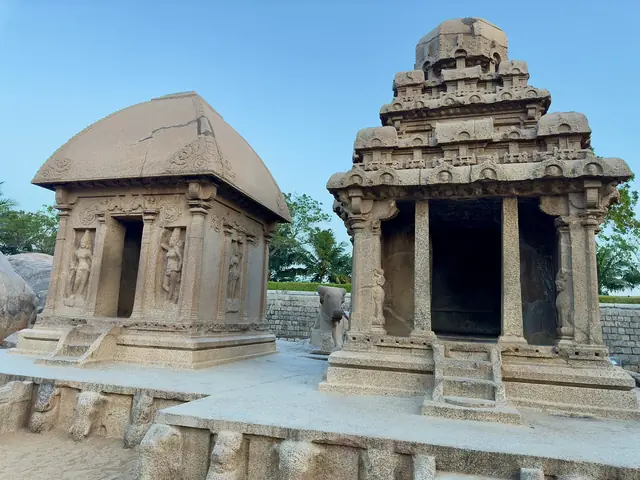
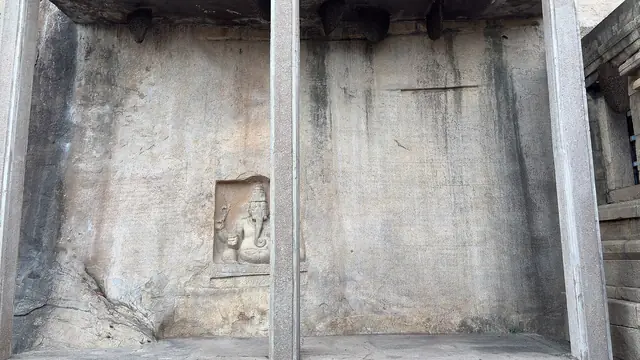
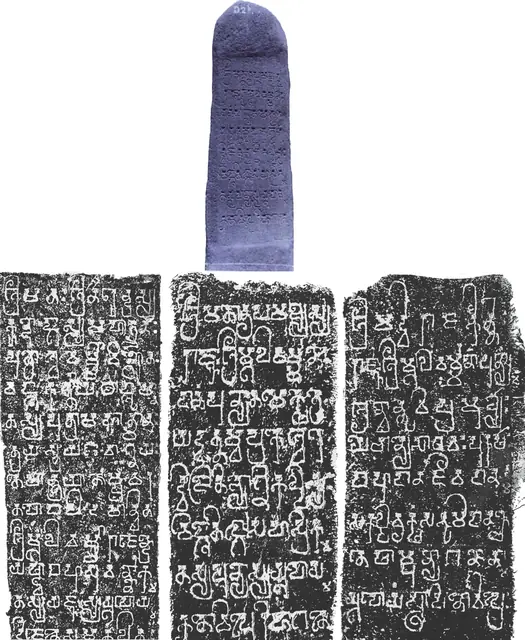
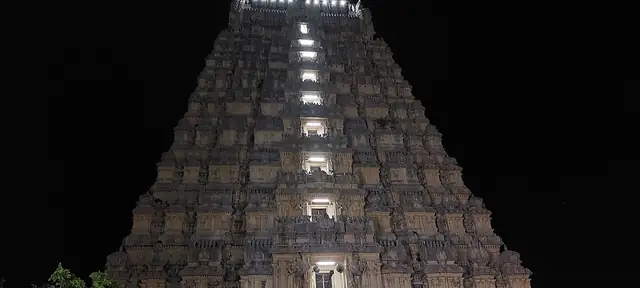
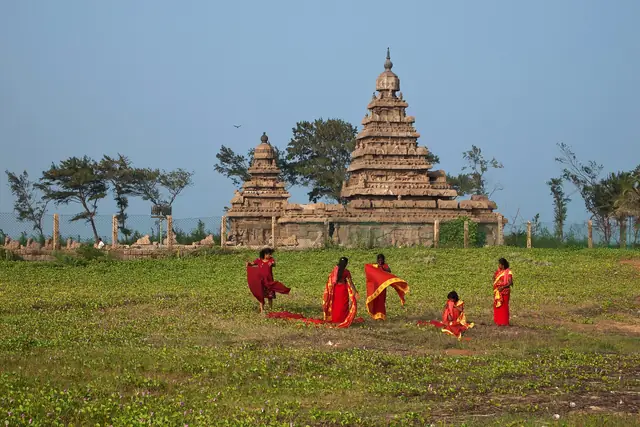
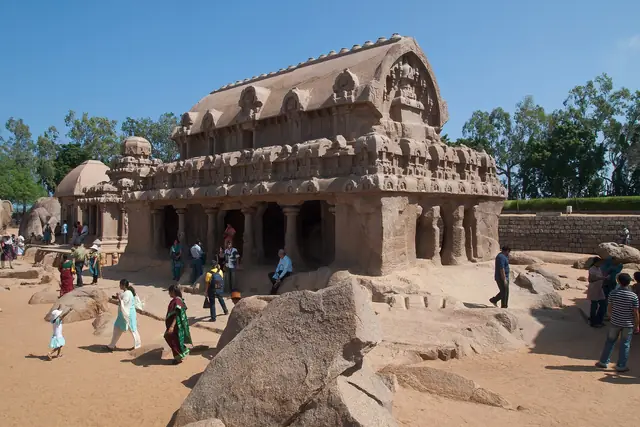
The Tamil script has no letters for sounds like gha, sha or ja, so Sanskrit needed its own. Grantha, the ‘book’ script, filled that need. Its Pallava form is seen at its finest on the monuments of Kanchipuram and Mamallapuram, where the kings Mahendravarman I and Narasimhavarman I had their titles cut in elegant, flowing letters. Later Chola copper plates set the Sanskrit portion in Grantha and the Tamil portion in Tamil script, side by side.
02Across the Bay of Bengal
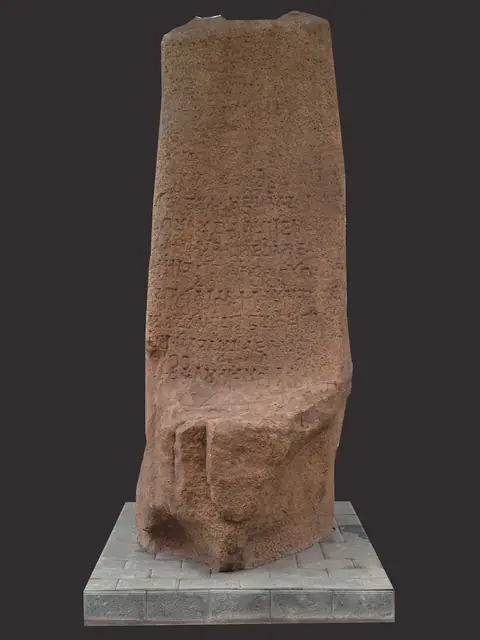
Merchants and priests from the Pallava coast took this script across the sea. The oldest Sanskrit inscriptions of Southeast Asia, the Vo Canh stele in Vietnam and the yupa pillars of Kutai in Borneo, are in a southern Brahmi close to it, and from the Pallava letters came Old Khmer, Old Mon, Cham and the Kawi script of Java. Thai, Lao, Burmese, Balinese and Javanese writing all descend from that line.
03Palm leaves and today
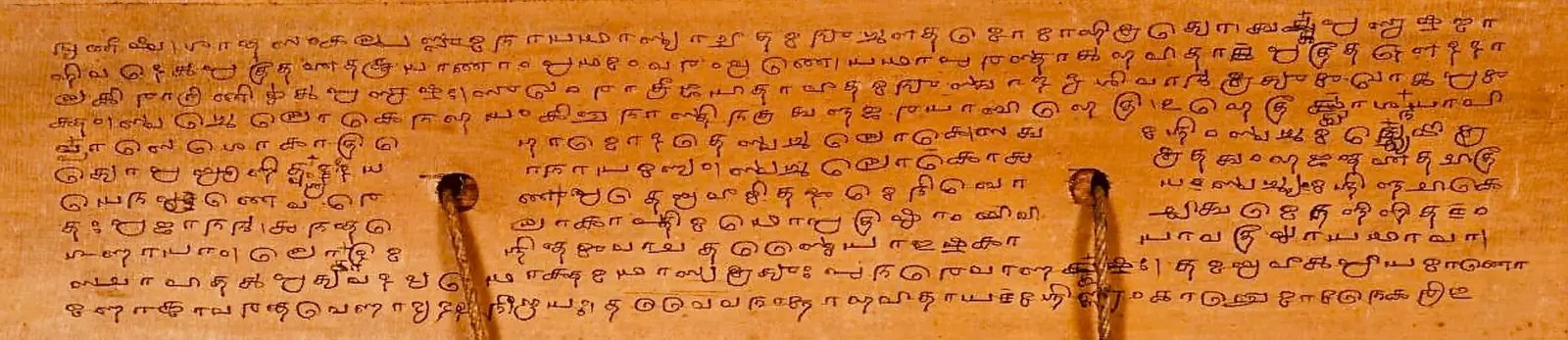
For centuries the Vedas, the Agamas and the works of the acharyas were copied in Grantha on palm leaf across Tamil Nadu and Kerala; the Malayalam and Tigalari scripts both grew from it. Printed Devanagari has taken over most of that work, but Grantha is still taught in some vedapathashalas and used in temple ritual books. It was added to Unicode in 2014.