Cite
MLA
“Bengali-Assamese script (Eastern Nagari).” Hindu History, 2026, https://www.hinduhistory.in/lipi/bengali-assamese-script/. Accessed .
APA
Hindu History. (2026). Bengali-Assamese script (Eastern Nagari). Retrieved , from https://www.hinduhistory.in/lipi/bengali-assamese-script/
01From Gaudi letters
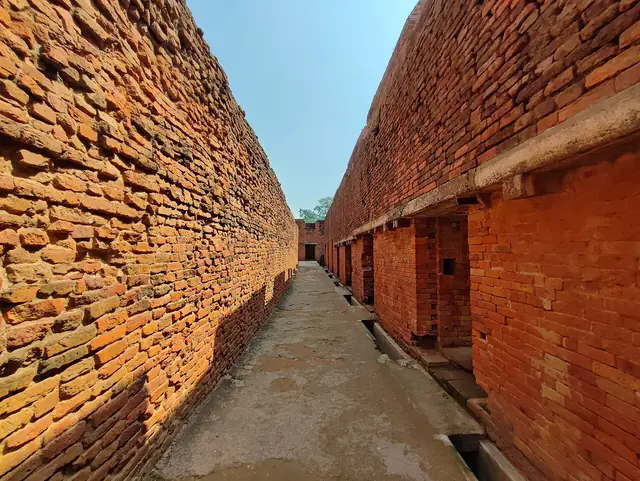
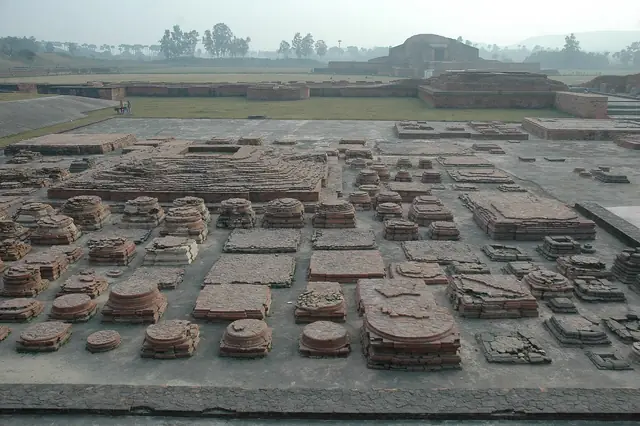
In the copper plates of the Pala kings, who ruled Bengal and Bihar from the 8th century and patronised Nalanda and Vikramashila, the Siddham letters begin to lean and bend in an eastern way. Scholars call this the Gaudi or proto-Bengali script. By the Sena period in the 12th century, many letters already look like modern Bengali. The same script served Sanskrit, and the eastern Puranas and Tantras were copied in it on palm leaf and tulot paper.
02The Charyapada and the Kamarupa hand
In 1907 Haraprasad Shastri found, in the royal library of Nepal, a palm-leaf manuscript of songs by Buddhist siddhacharyas, the Charyapada. Bengali, Assamese, Odia and Maithili readers all recognise their own early language in it. In Assam the scribes of the Ahom court and the satras developed their own calligraphic hands for buranjis and the Bhagavata. Modern Assamese uses the same letters as Bengali, with its own ৰ for ra and ৱ for wa.
03Type and primer
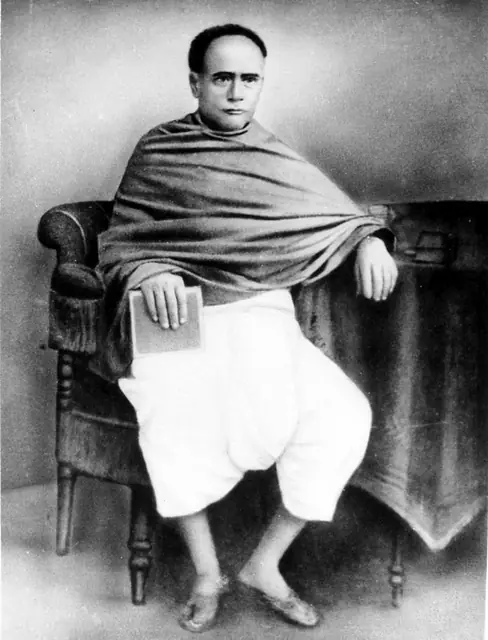
The first Bengali type was cut by Charles Wilkins with the craftsman Panchanan Karmakar for Halhed’s Grammar of the Bengal Language, printed at Hooghly in 1778. In 1855 Ishwar Chandra Vidyasagar published Barnaparichay, the primer that settled the order and shape of the letters for generations of Bengali children. Today the script serves more than twenty-five crore people in India and Bangladesh.