Cite
MLA
“Modi.” Hindu History, 2026, https://www.hinduhistory.in/lipi/modi-script/. Accessed .
APA
Hindu History. (2026). Modi. Retrieved , from https://www.hinduhistory.in/lipi/modi-script/
01Written without lifting the pen
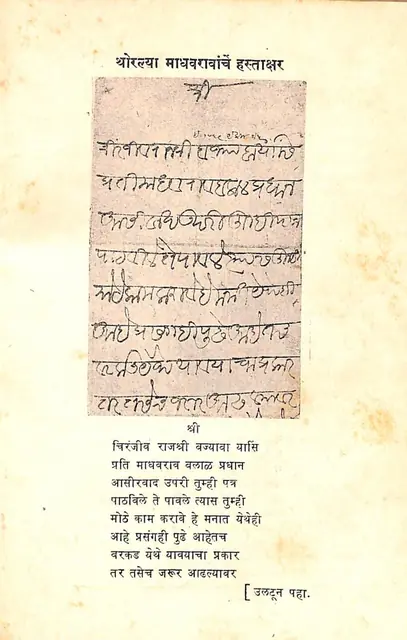
The name is usually explained from Marathi modṇe, to break or bend: the Nagari letters were bent and run together so that a clerk could write a whole line without lifting his reed pen. Tradition credits the script to Hemadri, Hemadpant, minister of the Yadava kings of Devagiri in the 13th century, though no Modi document survives from his time. The surviving records begin in the early 17th century.
02The script of Swarajya
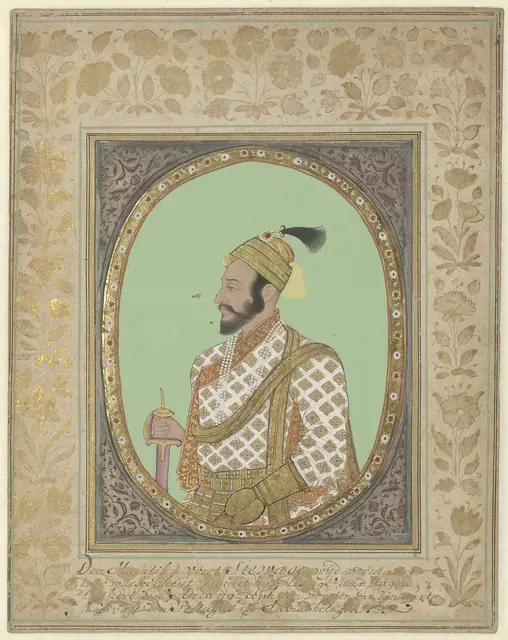
Chhatrapati Shivaji Maharaj’s letters, orders and land grants were written in Modi, and so was the vast paperwork of the Peshwas, Holkars, Scindias and Bhonsles. The Peshwa Daftar in Pune holds millions of these papers, revenue accounts, news letters from Delhi and the Carnatic, and orders from the field, much of it still unread. Merchants kept their ledgers in Modi, and families kept their sale deeds and horoscopes in it.
03Retired, then revived
Printing favoured Balbodh Devanagari, and after Independence Modi was dropped from schools and offices in Maharashtra. Its readers grew few, while the archives stayed full. Since then, workshops in Pune and other cities have trained new readers, and the script was encoded in Unicode in 2014, so the old letters can again be typed and searched. Volunteers now transcribe Peshwa-era papers into Devanagari, and every page read adds to the history of the Maratha state.