Cite
MLA
“Hindi and Hindustani.” Hindu History, 2026, https://www.hinduhistory.in/lipi/hindi-language/. Accessed .
APA
Hindu History. (2026). Hindi and Hindustani. Retrieved , from https://www.hinduhistory.in/lipi/hindi-language/
01Many dialects, one name
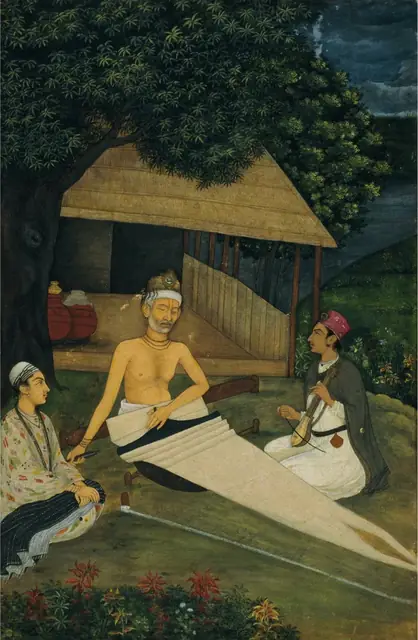
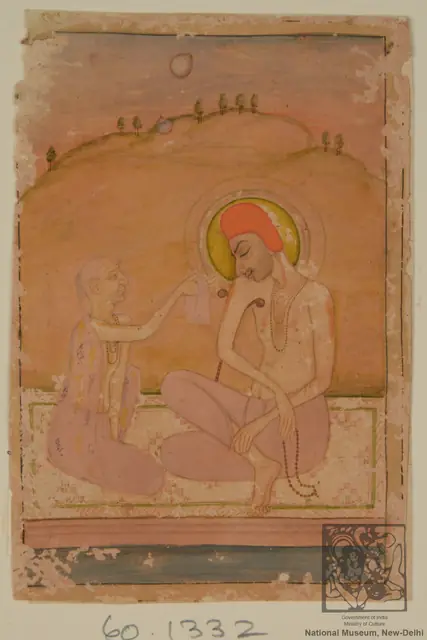
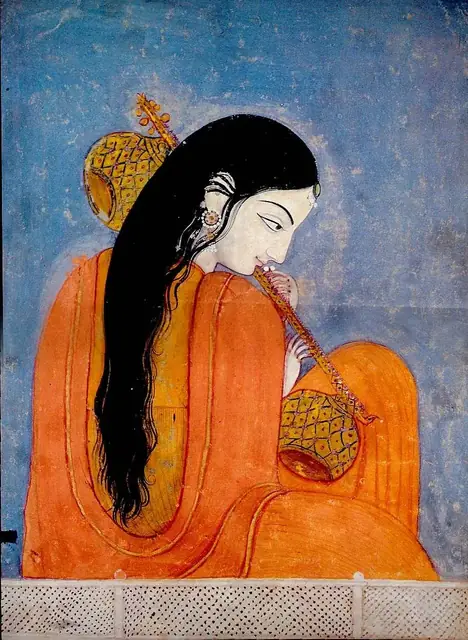
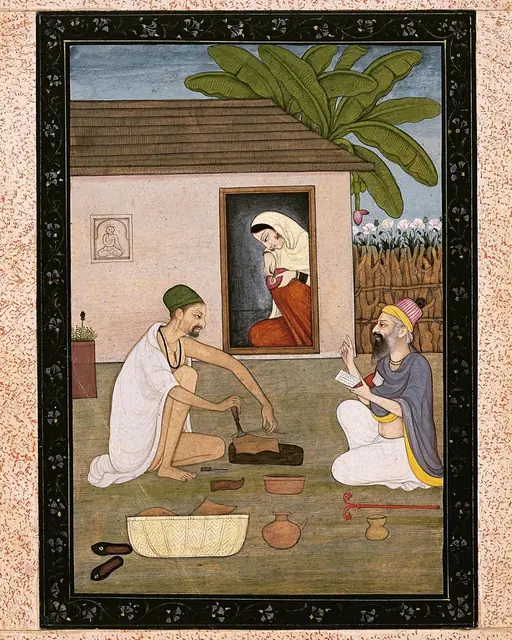
What is called Hindi covers a family of speech from Rajasthan to Bihar: Braj around Mathura, Awadhi around Ayodhya, Bhojpuri, Bundeli, Khari Boli around Delhi and Meerut, and more. All grew out of the regional Apabhramshas. The bhakti saints gave them literature. Kabir, a weaver of Kashi, spoke in a mixed eastern speech; Surdas sang the childhood of Shri Krishna in Braj; and Meerabai’s songs moved between Rajasthani and Braj.
02Ramcharitmanas
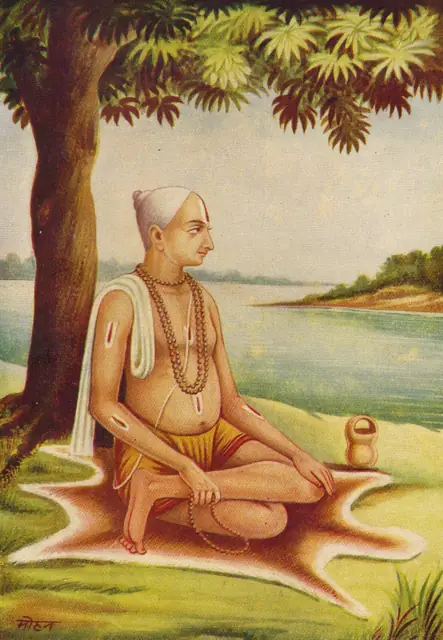
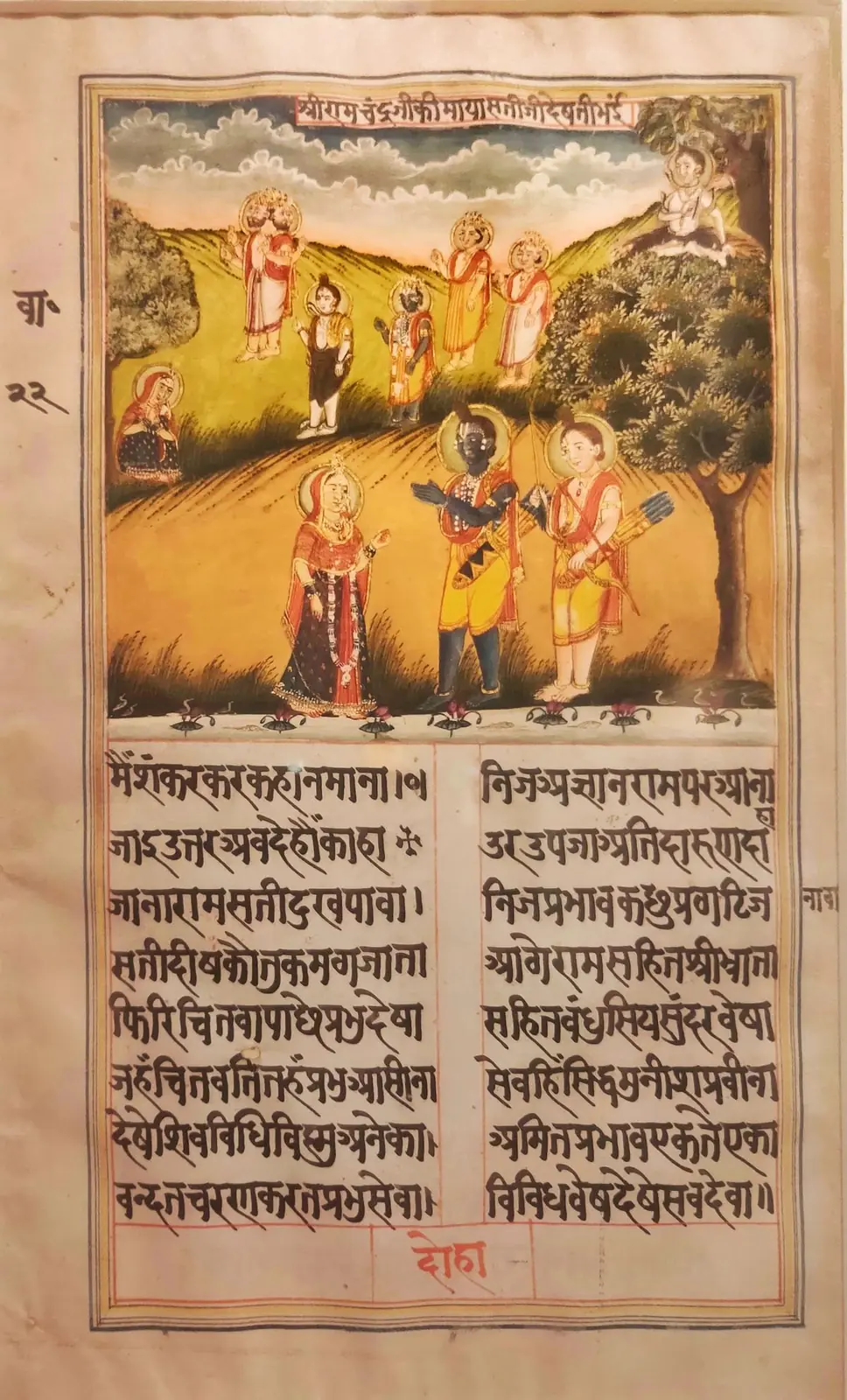
On Ram Navami of Samvat 1631, 1574 CE, Goswami Tulsidas began the Ramcharitmanas at Ayodhya, telling the Ramayana in Awadhi chaupais and dohas. He finished it in Kashi. No book in the language has been read, sung and staged more; the Ramlila of north India follows it, and the Hanuman Chalisa, also credited to Tulsidas, is recited daily in crores of homes.
03Khari Boli and the Constitution
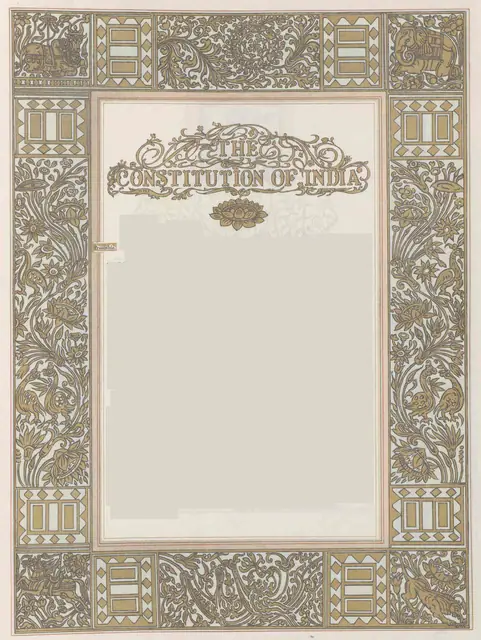
Khari Boli, the speech of the Delhi region, was the base of Hindustani, shared with Urdu, which wrote it in the Persian script. In the 19th century Bharatendu Harishchandra of Kashi shaped modern Hindi prose and theatre, and writers from Premchand to Jaishankar Prasad and Mahadevi Varma followed. On 14 September 1949 the Constituent Assembly adopted Hindi in the Devanagari script as the official language of the Union, which is why Hindi Diwas falls on that day.
04Today
In the 2011 Census, 52,83,47,193 people returned Hindi or one of the mother tongues grouped under it, about 44 per cent of India’s population. It is the official language of the Hindi-speaking states of the north and centre and of Delhi, and it travelled with indentured workers to Fiji, Mauritius, Suriname and Trinidad, where forms of Bhojpuri and Awadhi are still spoken.