Cite
MLA
“Telugu.” Hindu History, 2026, https://www.hinduhistory.in/lipi/telugu-language/. Accessed .
APA
Hindu History. (2026). Telugu. Retrieved , from https://www.hinduhistory.in/lipi/telugu-language/
01Kalamalla and Nannaya
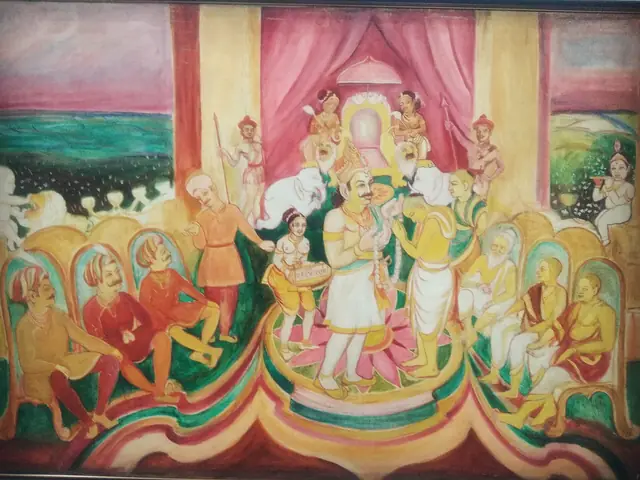
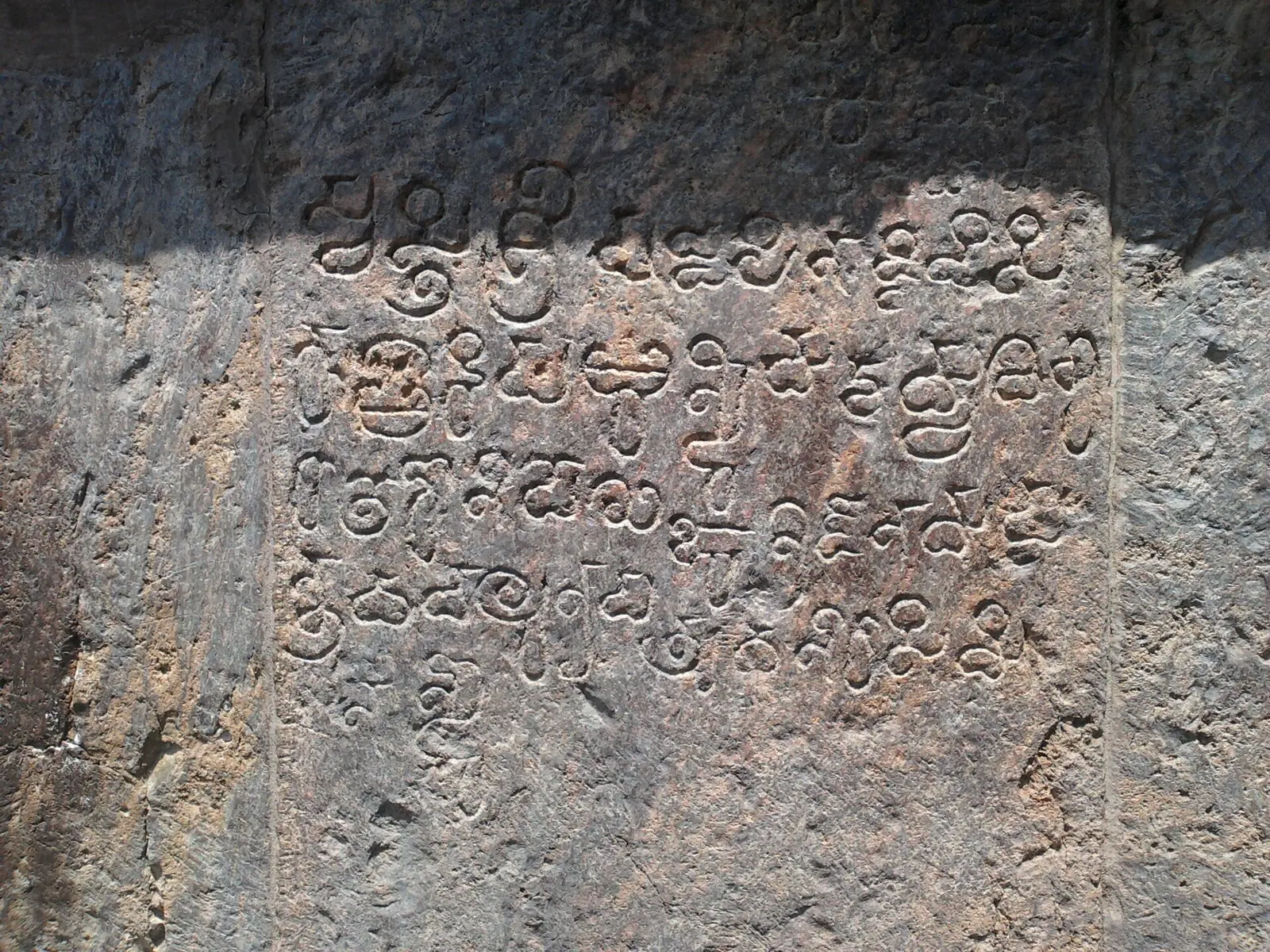
Telugu place names and words already appear in the Prakrit inscriptions of the Satavahana and Ikshvaku periods. The first inscription wholly in Telugu, at Kalamalla in Kadapa district, was set up by the Renati Chola king Dhananjaya around 575 CE. Literature begins with Nannaya, the adikavi, who at the court of the Eastern Chalukya king Rajaraja Narendra in the 11th century began the Andhra Mahabharatam. Tikkana and Errana completed it, and the three are honoured as the kavitraya.
02Bhagavatam, padams and kritis
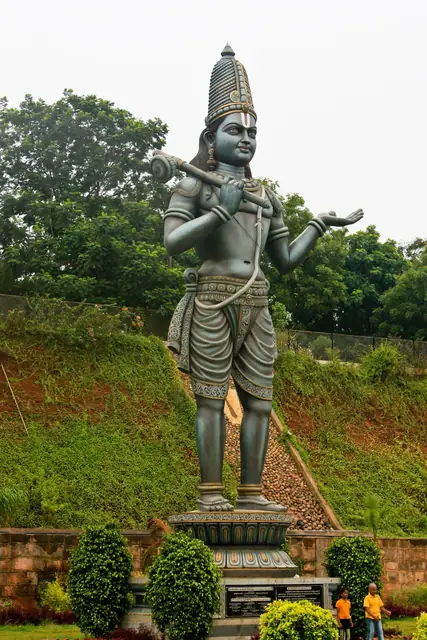
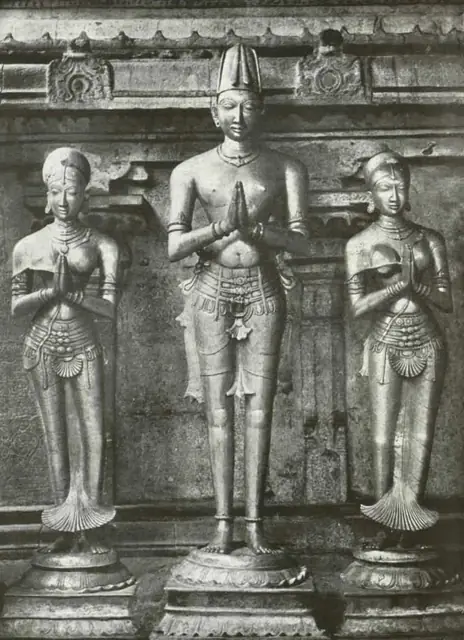
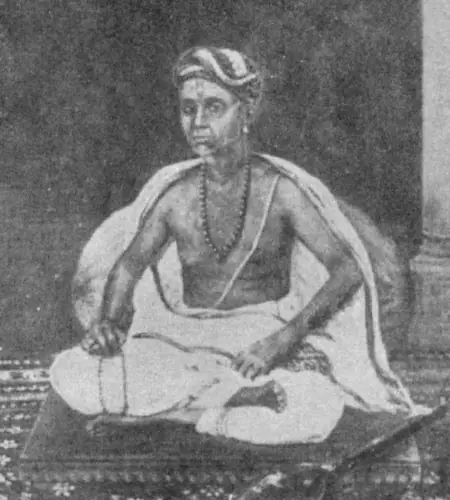
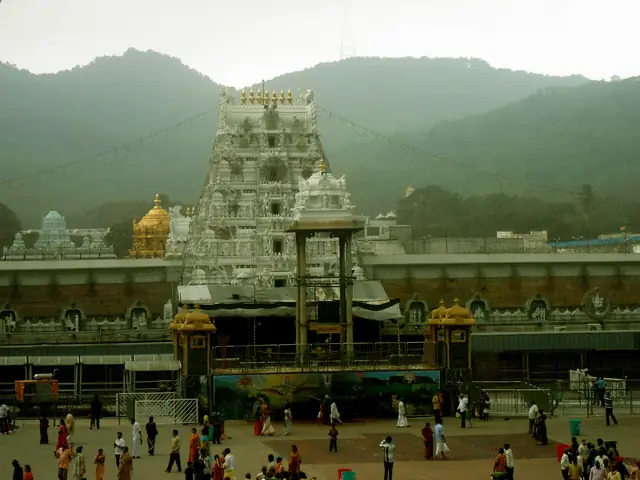
Bammera Potana’s Andhra Mahabhagavatam of the 15th century is still recited in Telugu homes. At Tirumala, Tallapaka Annamacharya composed sankirtanas to Bhagwan Venkateswara, and his family had them engraved on copper plates that are still kept at the temple. Krishnadevaraya of Vijayanagara wrote the Amuktamalyada about Andal, and his court was famed for the ashtadiggajas, eight great poets. In the 18th and 19th centuries Tyagaraja’s kritis to Shri Rama made Telugu the main language of Carnatic music.
03Today
Telugu was declared a classical language in 2008. The movement for a Telugu-speaking state, and Potti Sriramulu’s fast unto death in 1952, led to the creation of Andhra State in 1953, the first state formed on the basis of language. Telugu is the official language of Andhra Pradesh and Telangana, and the 2011 Census counted 8,11,27,740 speakers, the largest number for any language of the south. Large Telugu communities live in Tamil Nadu, Karnataka and the United States.