Cite
MLA
“Bengali (Bangla).” Hindu History, 2026, https://www.hinduhistory.in/lipi/bengali-language/. Accessed .
APA
Hindu History. (2026). Bengali (Bangla). Retrieved , from https://www.hinduhistory.in/lipi/bengali-language/
জনগণমন-অধিনায়ক জয় হে ভারতভাগ্যবিধাতা!
janagaṇamana-adhināẏaka jaẏa he bhāratabhāgyabidhātā
01Charyapada and Chandidas
The Charyapada, a set of mystic songs by Buddhist siddhacharyas found by Haraprasad Shastri in Nepal in 1907, is claimed as the first record of Bengali, and also of Assamese, Odia and Maithili, which shows how close those languages once were. A manuscript of the Shrikrishna Kirtan of Baru Chandidas was found in a cowshed in Bankura district in 1909 and published in 1916; it is the first long narrative poem in the language.
02Krittivas and Chaitanya
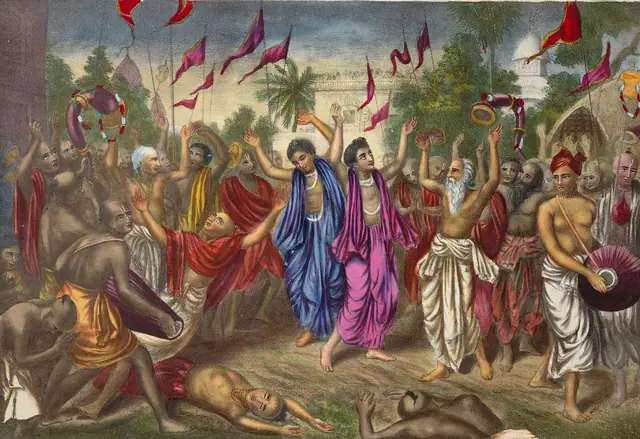
In the 15th century Krittivas Ojha retold the Ramayana in Bengali verse, and his Krittivasi Ramayan is still the Ramayana of Bengal. Shri Chaitanya Mahaprabhu, born at Nabadwip in 1486, filled the streets with sankirtan of Hari’s name, and the padavali poets and his biographers, such as Krishnadas Kaviraj in the Chaitanya Charitamrita, gave Bengali a great literature of bhakti. The Mangal Kavyas praised Manasa and Chandi.
03Bankim, Tagore and today
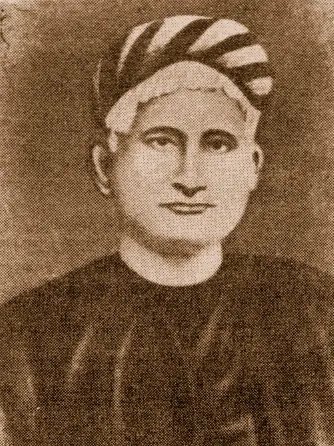
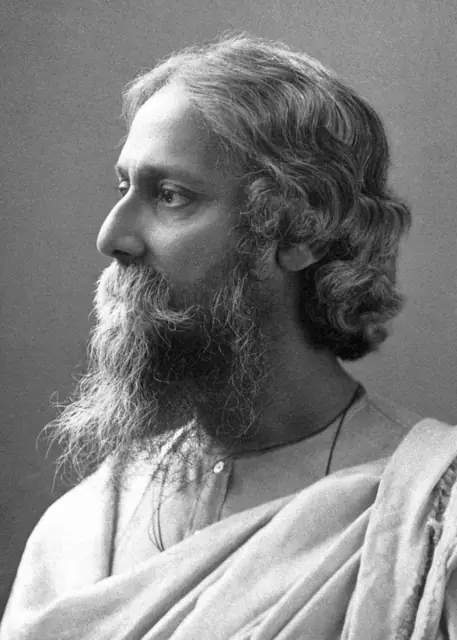
Bankim Chandra Chattopadhyay’s novel Anandamath (1882) carried the hymn Vande Mataram, which became the cry of the freedom movement and is India’s national song. Rabindranath Tagore won the Nobel Prize in 1913 for Gitanjali; he wrote Jana Gana Mana, sung first in 1911, and Amar Sonar Bangla, the anthem of Bangladesh. Bengali was declared a classical language in October 2024. The 2011 Census counted 9,72,37,669 speakers in India, the second largest number after Hindi.