Cite
MLA
“Kawi (Old Javanese script).” Hindu History, 2026, https://www.hinduhistory.in/lipi/kawi-script/. Accessed .
APA
Hindu History. (2026). Kawi (Old Javanese script). Retrieved , from https://www.hinduhistory.in/lipi/kawi-script/
01From Pallava letters
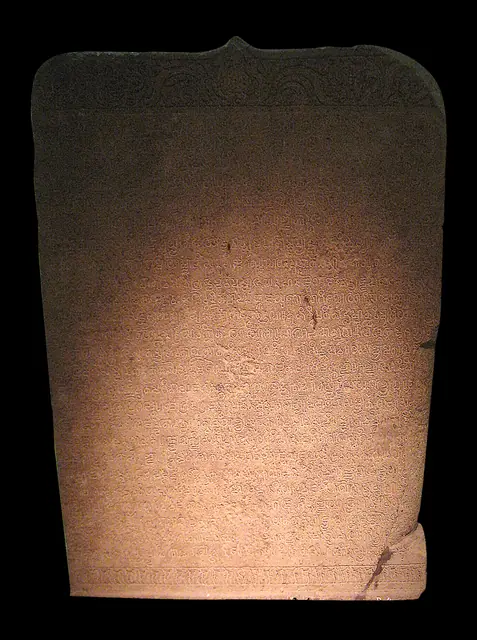
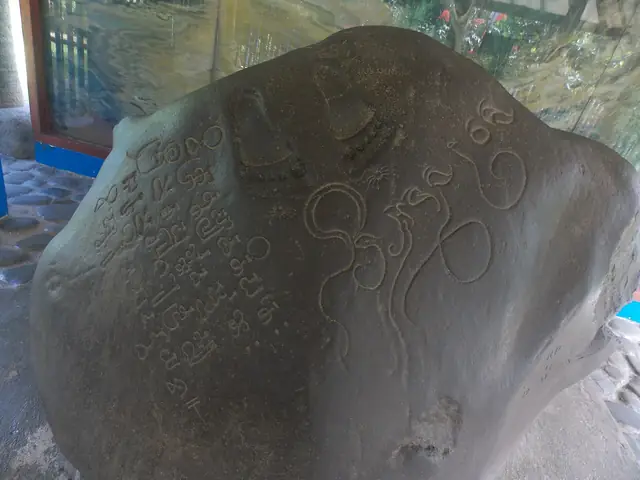
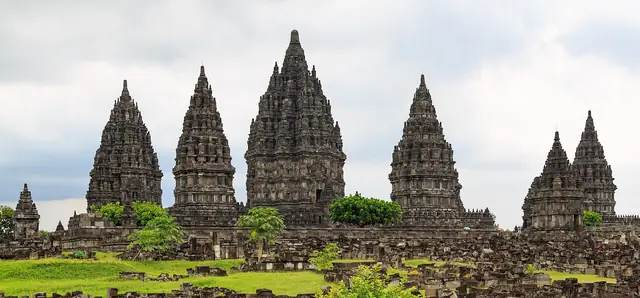
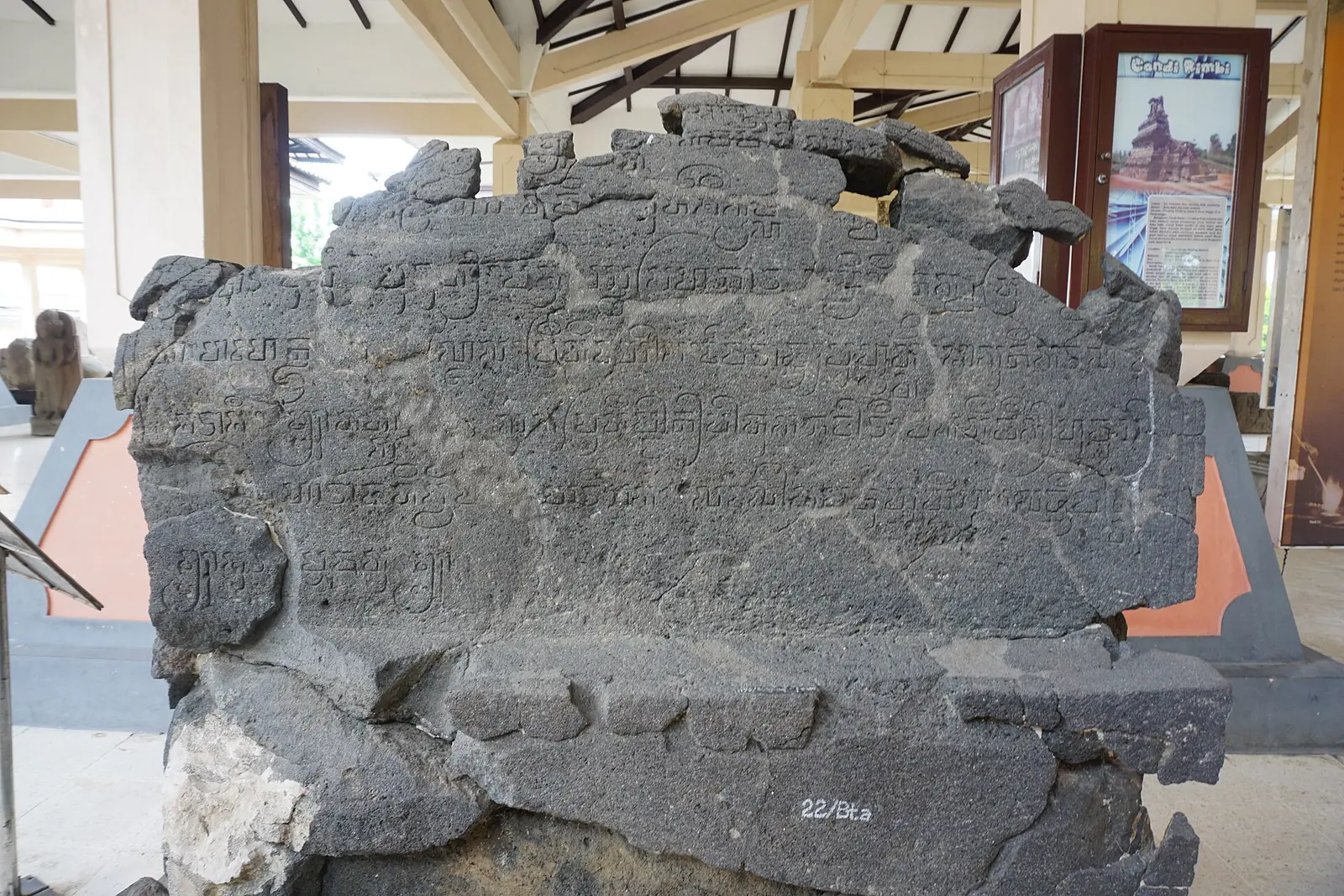
The first inscriptions of Java, such as the Canggal stone of King Sanjaya in 732 CE, praising Bhagwan Shiva, are Sanskrit verses in a script very close to the Pallava Grantha of Kanchipuram. Over the next decades Javanese scribes rounded and simplified those letters into a local hand, which scholars call Kawi, from the Sanskrit kavi, poet. It was used for Sanskrit and for Old Javanese, the language of the courts that built Prambanan.
02Kakawin on lontar
In Kawi the poets of Java wrote their kakawin, long poems in Sanskrit metres: the Old Javanese Ramayana, and Mpu Kanwa’s Arjunawiwaha for King Airlangga in the 11th century. These were copied on lontar palm leaves, and many survived only in Bali, where Hindu courts kept them after Java’s kingdoms fell. The script reached the Philippines too: the Laguna copperplate, dated 900 CE, is the oldest known written document of that country.
03Living in Bali
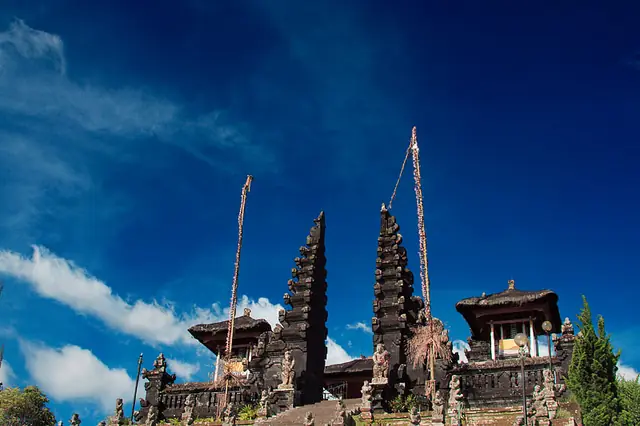
Balinese aksara, Javanese hanacaraka and Sundanese script all come from Kawi. In Bali the letters are taught in schools, painted on temple and street signs, and written on lontar for offerings and rituals. The Dutch scholar H. Kern and later J. G. de Casparis worked out the old inscriptions; de Casparis’s Prasasti Indonesia remains the standard study. Visitors to Bali see the old letters everywhere, above shop doors and on the road signs of every village.