Cite
MLA
“Punjabi and Gurmukhi.” Hindu History, 2026, https://www.hinduhistory.in/lipi/punjabi-language/. Accessed .
APA
Hindu History. (2026). Punjabi and Gurmukhi. Retrieved , from https://www.hinduhistory.in/lipi/punjabi-language/
ੴ ਸਤਿ ਨਾਮੁ ਕਰਤਾ ਪੁਰਖੁ ਨਿਰਭਉ ਨਿਰਵੈਰੁ
ik oaṅkār sati nāmu karatā purakhu nirabhau niravairu
01Farid and Guru Nanak
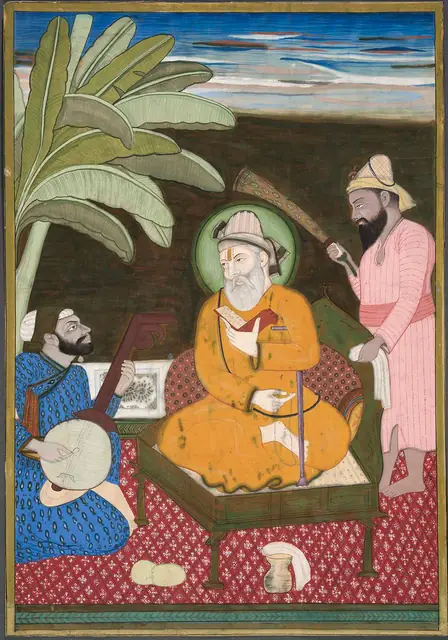
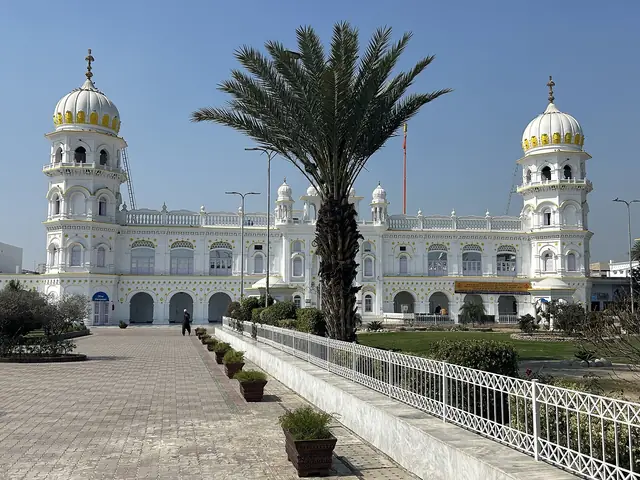
The oldest Punjabi verse that survives is attributed to Baba Farid, the 13th-century Sufi of Pakpattan; Guru Arjan Dev included his shlokas in the Adi Granth. Guru Nanak Dev, born at Talwandi, now Nankana Sahib, in 1469, sang his bani in a speech that mixed Punjabi with the saint-language of north India. The Gurus who followed wrote in the same tongue, so that Punjabi became a language of scripture.
02From the mouth of the Guru
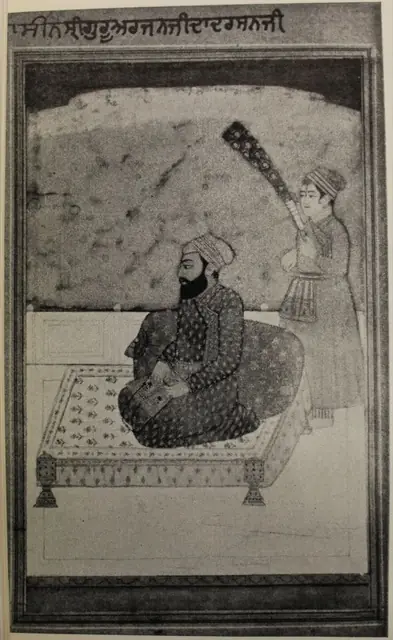
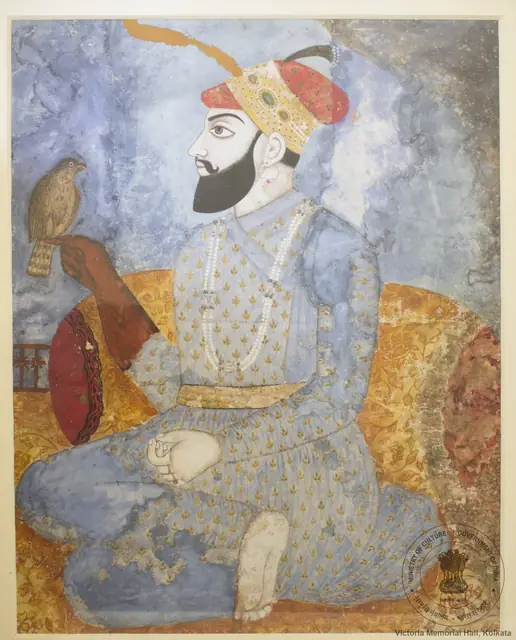
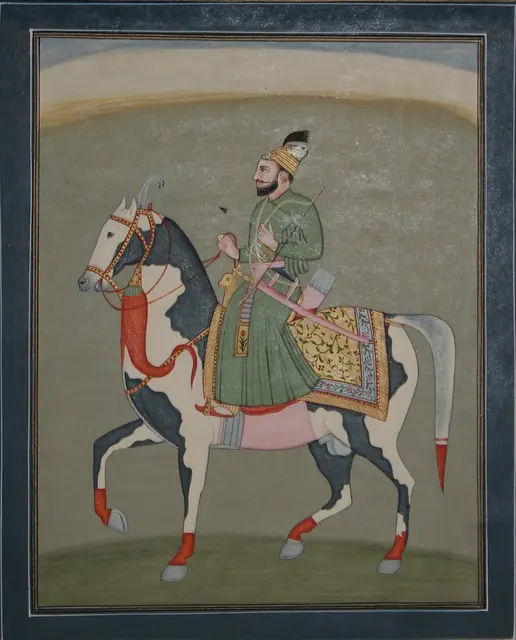
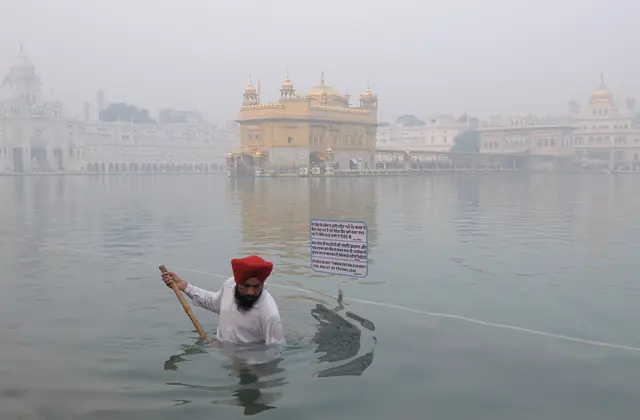
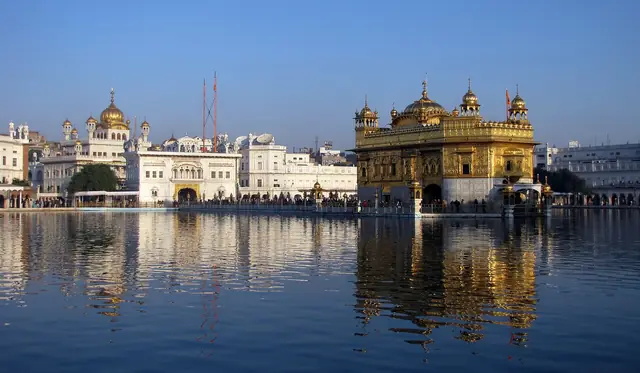
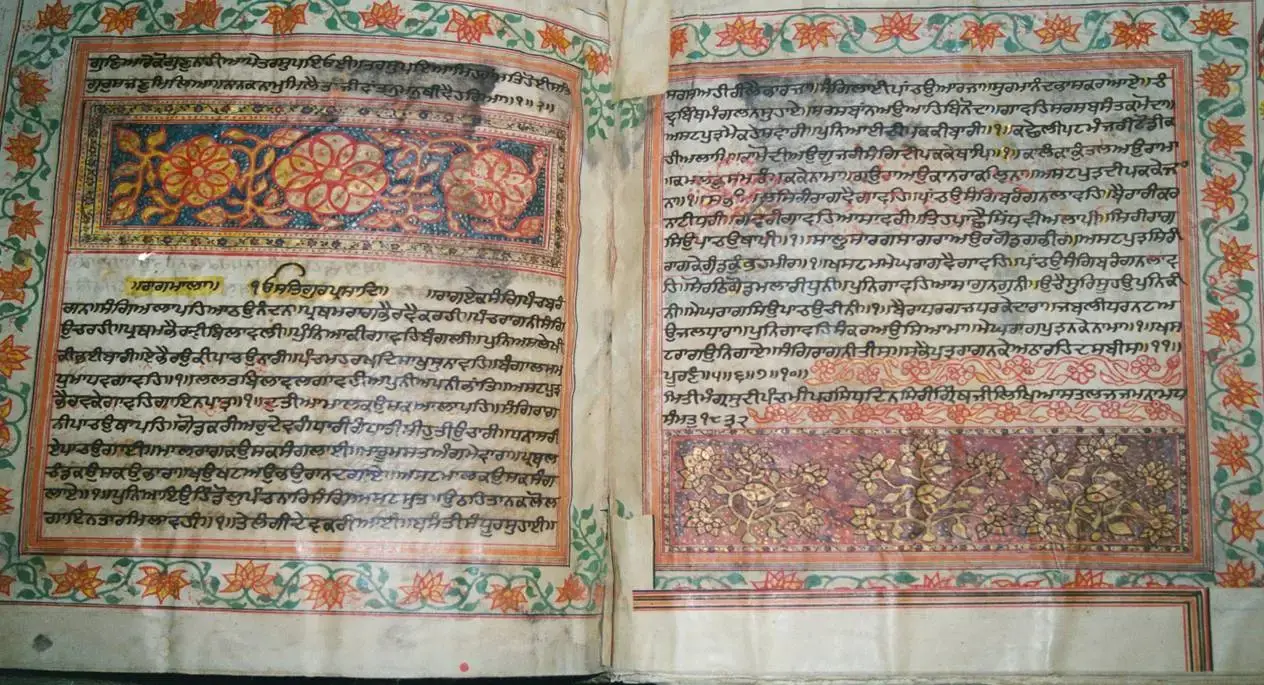
Gurmukhi means ‘from the mouth of the Guru’. Sikh tradition credits Guru Angad Dev, the second Guru, with giving the script its settled form in the 16th century, drawing on the Landa and Takri hands of the Sharada family. It has thirty-five basic letters, the paintī. In 1604 Guru Arjan Dev installed the Adi Granth, written in Gurmukhi, at Harmandir Sahib in Amritsar, and in 1708 Guru Gobind Singh declared the Granth the eternal Guru.
03Heer and today
Waris Shah’s Heer of 1766 is the best-loved Punjabi romance, recited on both sides of the border. In Pakistan Punjabi is written in the Perso-Arabic Shahmukhi script; in India in Gurmukhi. The Punjab was reorganised on 1 November 1966 as a Punjabi-speaking state, and Punjabi is its official language. The 2011 Census counted 3,31,24,726 speakers in India, with large communities in Canada, Britain and beyond.